
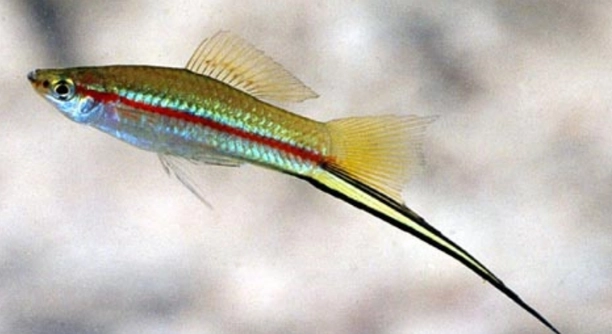
Swordtails are popular aquarium fish known for their vibrant colors and active nature. If you own one, you might wonder if they become accustomed to human presence over time.
Swordtails are generally not fearful of humans and may grow used to their presence. However, they may not form bonds like pets such as dogs or cats. Regular interaction can help them feel more comfortable, though they remain cautious.
By understanding how swordtails react to their environment, you can create a peaceful habitat that suits both you and your fish.
Do Swordtails Have Social Tendencies?
Swordtails can be social fish, often seen swimming together in groups. This behavior helps them feel secure and less stressed in the presence of other fish. While they do not form attachments to humans, they do show familiarity when consistently around a person. Over time, swordtails may become more comfortable with their owners, especially if they receive regular feeding and care. This level of comfort can result in the fish becoming less skittish and more accepting of the human presence around their tank.
Their ability to adapt to human presence comes from repeated interactions. By feeding them at the same time each day and maintaining a routine, swordtails are more likely to associate their owner’s actions with positive experiences. This predictability makes them feel safer.
Despite their social nature, swordtails can still be wary of sudden movements. It is essential to approach them calmly to avoid startling them. The more they get used to their environment and caretaker, the less fearful they will become.
Impact of Tank Environment
Swordtails’ comfort levels with humans are also influenced by their tank environment. Clean, well-maintained water and adequate space help them feel at ease. A suitable tank environment can also promote interaction with humans without causing stress or anxiety. With the right setup, swordtails will thrive, increasing their overall comfort with their surroundings.
Swordtails and Tankmates
Swordtails can coexist with many other peaceful fish species. They tend to thrive in community tanks, especially with species that are non-aggressive. They often swim in the middle of the tank, interacting with other fish in a relaxed manner. These fish will tolerate tankmates as long as there is enough space and food for everyone.
However, some species may be more aggressive towards swordtails, especially if they are competing for territory. Aggressive tankmates could cause stress, affecting the swordtail’s behavior. Swordtails may become skittish or hide more often if they feel threatened. It’s important to carefully choose tankmates that won’t make the swordtails feel uncomfortable or endangered. Keeping the right balance of peaceful species will help swordtails feel at ease in their environment.
Tankmates that are too large or fast can also intimidate swordtails, making them less likely to interact with humans. It’s important to avoid species that might outcompete them for food or chase them around the tank. Swordtails do best in peaceful, well-balanced communities.
Swordtails’ Feeding Habits
Swordtails are not picky eaters, but they prefer a varied diet. Offering them a mix of high-quality flakes, pellets, and occasional live food helps maintain their health and color. They will also eat algae and plant matter, so providing live plants can enhance their diet. They may nibble on the plants in their tank, but they don’t typically cause significant damage.
Feeding swordtails regularly will help them associate their caretaker with positive experiences. They can learn to expect food at specific times, which leads to greater comfort in the presence of their owner. A consistent feeding schedule encourages interaction, as swordtails will quickly recognize who is providing their meals.
It’s crucial to avoid overfeeding, as swordtails can become overweight if they consume too much. Proper portion control ensures they stay healthy and active. Excess food in the tank can lead to water quality issues, so it’s essential to clean the tank regularly to maintain a healthy environment.
Swordtail Behavior and Human Interaction
Swordtails may not bond with humans in the way dogs or cats do, but they can become accustomed to their owners. With regular feeding and interaction, swordtails may approach the tank’s surface or swim near their caretaker. This familiarity helps reduce their natural wariness.
Once they recognize their owner, swordtails will likely become more comfortable and even responsive. They won’t interact like a pet, but their behavior may become more relaxed around humans. Swordtails will often swim calmly and show less fear of movements near the tank. Their trust in you increases with consistent care.
Stress Factors for Swordtails
Swordtails are sensitive to changes in their environment. Rapid shifts in water temperature, poor water quality, or tank overcrowding can cause stress. Stress can lead to unusual behaviors, like hiding or excessive swimming. Swordtails may also become more aggressive with each other if they feel overcrowded or uncomfortable.
Managing these stress factors is essential for their health. Regular water changes and maintaining proper tank conditions can keep stress at bay. It’s important to avoid sudden alterations in water temperature or chemistry. Stress-free swordtails are more likely to interact with their owners and enjoy a peaceful environment.
Swordtail Lifespan
Swordtails typically live around 3 to 5 years with proper care. Providing a stable, clean environment, a balanced diet, and monitoring their tank regularly will help them reach their full lifespan. Regular check-ups ensure that any potential health issues are addressed before they become serious.
FAQ
Do swordtails need a lot of space?
Swordtails do best in tanks that are at least 20 gallons. This allows enough room for them to swim freely and interact with other fish. If there’s not enough space, they may feel crowded, leading to stress. The more space they have, the healthier they’ll be.
Can swordtails live with other fish?
Yes, swordtails are peaceful fish and can live with other non-aggressive species. They thrive in community tanks with similar-sized, calm fish. However, avoid aggressive species that might outcompete them for food or territory. Make sure the tank is large enough to support everyone comfortably.
How often should I feed my swordtail?
Feed swordtails 1-2 times a day, providing only as much food as they can consume in a few minutes. Overfeeding can lead to health issues and poor water quality. A varied diet of flakes, pellets, and occasional live food will keep them healthy.
Do swordtails need plants in their tank?
While swordtails don’t require live plants, having some in their tank can provide hiding spots and extra food. They may nibble on the plants, but they typically won’t cause significant damage. Live plants also help maintain water quality, providing oxygen and reducing harmful toxins.
Are swordtails easy to breed?
Swordtails are relatively easy to breed in a tank environment. They give birth to live fry, and if the conditions are right, they will breed frequently. Make sure there are plenty of hiding spots for the fry to avoid being eaten by adults. A separate breeding tank is ideal.
Do swordtails get along with other swordtails?
Yes, swordtails generally get along with others of their species. However, male swordtails can become territorial and may fight over space or mates. Keeping a balance of males and females can reduce aggression. A larger tank also helps minimize territorial disputes.
How can I tell if my swordtail is stressed?
A stressed swordtail may show signs like hiding, swimming erratically, or displaying a lack of interest in food. Stress can be caused by poor water quality, overcrowding, or aggressive tankmates. Regular water changes and a peaceful environment can help reduce stress.
Can swordtails live in cold water?
Swordtails are tropical fish and prefer warmer water temperatures, between 72°F and 79°F (22°C to 26°C). They are not suited for cold water environments and may become ill if exposed to temperatures below 68°F (20°C). A heater is essential to maintain a stable temperature.
Do swordtails require a filter?
Yes, a filter is important for maintaining water quality. Swordtails are sensitive to poor water conditions, and a good filtration system helps remove waste, toxins, and excess food. Regular water changes are still necessary, but a filter ensures a clean, healthy environment.
Why is my swordtail’s tail not as long as it should be?
A swordtail’s tail length can vary depending on its genetics. Some swordtails may have shorter tails, especially if they are not purebred. Poor water quality or nutritional deficiencies could also stunt growth. Ensure they are getting a balanced diet and living in a suitable environment.
Are swordtails good for beginners?
Yes, swordtails are a great choice for beginners. They are hardy, easy to care for, and can adapt to a range of water conditions. With proper care, they thrive in a community tank and are a beautiful addition to any aquarium.
How can I tell if my swordtail is pregnant?
Pregnant female swordtails develop a gravid spot near their abdomen. This area will become darker and more visible as the pregnancy progresses. Female swordtails can give birth to several fry at once, so keep an eye out for signs of labor.
How long do swordtails live?
Swordtails typically live for 3 to 5 years, depending on the conditions in their tank. Providing proper care, including a healthy diet, clean water, and adequate space, can help them reach the upper end of their lifespan.
Why is my swordtail’s color fading?
Swordtails can lose color if they are stressed, sick, or not receiving the proper diet. Poor water quality or a lack of nutrients can cause their vibrant colors to fade. Ensure they are fed a balanced diet and that the tank conditions are optimal.
How do I know if my swordtail is male or female?
Male swordtails are generally smaller and have a longer, pointed tail, which gives them their name. Female swordtails are larger and have a rounder, shorter tail. Males are also typically more colorful and have a more pronounced fin structure.
Final Thoughts
Swordtails are lively and relatively low-maintenance fish that make excellent additions to a well-balanced aquarium. With their vibrant colors and peaceful nature, they can coexist with many other species, making them a great choice for community tanks. However, keeping them healthy requires providing proper care and attention. Regular water changes, a balanced diet, and a suitable tank environment are key to ensuring your swordtails thrive. When these basic needs are met, swordtails are hardy and can live for several years, offering both beauty and enjoyment for aquarium owners.
The relationship between swordtails and their human caretakers can also grow over time. While they are not as interactive as some other pets, swordtails can become accustomed to human presence. With regular feeding and attention, they may approach the tank’s surface when they see you or swim calmly around as they feel more secure. This behavior not only makes them fascinating to observe but also helps them feel comfortable and at ease in their environment. Swordtails may not form bonds in the same way as mammals, but they do respond to positive interactions.
Ultimately, swordtails are a great choice for both beginner and experienced fish keepers. Their peaceful temperament, adaptability, and ease of care make them a popular species. As long as you maintain a clean, well-maintained tank with appropriate tankmates and provide them with proper nutrition, swordtails will reward you with their colorful presence. By understanding their needs and ensuring they are met, you can enjoy watching them grow, interact with their environment, and live a healthy, fulfilling life.

Hello,
If you enjoy the content that we create, please consider saying a "Thank You!" by leaving a tip.
Every little bit helps us continue crafting quality advice that supports the health, happiness, and well-being of pets around the world, for pets of all shapes, sizes, and species.
We really appreciate the kindness and support that you show us!