
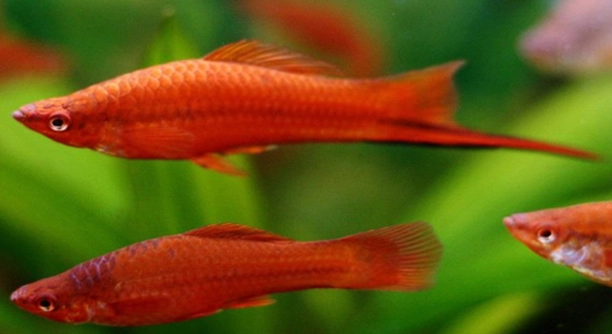
Have you ever watched your swordtails and noticed them swimming side by side for long periods without changing direction or pace?
Swordtails often swim side by side as a social or mating behavior. This positioning helps them establish hierarchy, form bonds, or attract a mate. It can also be a sign of synchronized swimming, which occurs in peaceful tank environments.
Understanding this habit can help you better care for your swordtails and recognize changes in their behavior more easily.
Common Reasons Swordtails Swim Side by Side
Swordtails often swim side by side when they are trying to connect with one another. This can be a sign of peaceful coexistence or a subtle way of establishing dominance without aggression. In male swordtails, side-by-side swimming is usually part of courtship behavior, especially when they are near a female. If both fish are males, they may be sizing each other up. In more relaxed settings, swordtails might also swim closely together as a social activity or simply because they feel safe. This type of behavior is not usually a sign of illness or distress. Instead, it reflects their natural instinct to interact and communicate with other fish in their environment. Watching how long they do it, and whether it is paired with other body signals, can help you understand what they’re trying to express. Often, it’s just one of the ways swordtails stay connected in a shared space.
Swordtails are known to be active swimmers that enjoy the company of others in their tank, especially when conditions are calm and stable.
If your swordtails are new to the tank, this side-by-side movement can also help them feel more secure. They might be adjusting to their environment and staying close for comfort. As long as their colors are bright and they’re eating well, there’s no need to worry. These actions usually settle down as they become familiar with their space. On the other hand, if you see any chasing, fin-nipping, or signs of stress, keep an eye on things. Sometimes swimming closely could also be tied to territorial behavior. The tank layout and number of fish matter too. A crowded tank can lead to more frequent close contact, which may be mistaken for social bonding. Observing them regularly will give you a better sense of what’s normal and what’s not for your swordtails.
When Side-by-Side Swimming May Be a Problem
If the behavior is sudden and paired with stress signs, it might be worth checking water quality and tank conditions right away.
When swordtails begin to swim side by side suddenly and it seems out of character, this could suggest an issue in the tank that needs attention. Poor water quality, temperature shifts, or sudden changes in lighting can impact their behavior. Ammonia or nitrite spikes, in particular, might stress the fish and push them to act in unusual ways—like swimming together for comfort. If their fins appear clamped, they seem to hide more often, or stop eating, it’s best to test your water parameters. Ensure the filter is working well and that you’re not overfeeding. Another concern could be illness, like parasites or internal infections, which sometimes cause fish to mirror each other’s movements. If other fish in the tank are behaving strangely too, isolation and treatment may be needed. Being aware of small shifts in activity helps catch problems before they escalate.
Other Behaviors Linked to Side-by-Side Swimming
This behavior can also appear during playful chasing, especially in tanks with younger swordtails. It may look like competition, but it’s usually harmless and short-lived. It often stops once they’ve had enough or lose interest.
In some cases, swordtails will swim side by side during feeding times. They may follow each other as they search for food particles floating through the water. This behavior is usually more noticeable in tanks where food is scattered or when multiple fish are feeding at once. If they’re pairing off frequently during meals, it can simply mean they’ve learned to associate each other with food. Another moment when side-by-side swimming appears is during nighttime rest. Some swordtails will hover in place near their tank mates while remaining semi-stationary. It’s not the same as sleeping in a fixed position, but it shows they’re relaxed and feel safe sticking together.
Young swordtails also show this behavior as they grow and form social patterns. It’s part of how they learn to navigate their space. Unlike aggressive behaviors like darting or nipping, these movements are smooth and steady. You might also notice them mirror each other’s turns and pauses, which helps them develop coordination and social comfort. Observing how these patterns evolve over time can tell you a lot about the group dynamic in your tank. If you see it happening more often with certain pairs, that can signal a developing bond or even early signs of courtship. It’s also a good reminder that swordtails enjoy visual cues and body language when communicating. Watching their rhythm gives you a better feel for their habits and lets you spot anything unusual sooner.
Environmental Conditions That Encourage This Behavior
Proper lighting and a calm tank environment can increase how often swordtails engage in peaceful swimming patterns. Low stress, good water flow, and consistent feeding routines all support social swimming like side-by-side behavior.
Tank size plays a big role in how swordtails interact. In smaller tanks, they’re more likely to swim closely just due to limited space. In larger tanks, the behavior stands out more because they’re choosing to stay near each other. Water temperature also matters. Slightly warmer water, around 76–78°F, tends to bring out more activity and interaction. Plants and hiding spots can also reduce stress, giving swordtails the comfort to swim more freely and engage socially. Consistent water quality and gentle filtration create an ideal backdrop for these movements. Lighting should mimic natural cycles, as erratic light can disrupt their rhythm. When all of these pieces are in place, swordtails are more likely to show consistent patterns, including side-by-side swimming that reflects comfort and social balance.
How to Tell If It’s Aggression or Not
If one swordtail is constantly nudging, chasing, or trying to nip at the other, that’s a sign of aggression. You may also notice flaring fins, fast circling, or quick dashes—those usually show stress or competition rather than calm social behavior.
When swordtails swim side by side without sharp turns or sudden movements, it’s usually not aggression. Look for relaxed fins and steady pacing. If they take breaks or switch directions calmly, that’s a good sign. Constant contact or fin damage means it’s time to watch more closely.
What You Can Do to Support Healthy Behavior
Give your swordtails enough space to swim and interact naturally. A minimum of 15–20 gallons for a small group can reduce tension and prevent overcrowding. Keep your male-to-female ratio balanced—usually two or three females per male—to avoid excessive chasing. Use plants, rocks, or decorations to break up open areas and give fish spots to rest or retreat. Stable water temperature and gentle filtration help maintain a stress-free environment. Feeding at consistent times also supports better behavior. If you do see signs of aggression, consider rearranging the tank or moving the more aggressive fish temporarily. Observing behavior changes after small adjustments can help you maintain balance.
Final Tip Before You Watch Again
Always check your tank conditions first before assuming swordtails are acting out. Calm behavior often starts with a healthy, well-maintained space.
FAQ
Why are my swordtails swimming side by side?
Swordtails swim side by side for various reasons, including social bonding, courtship, or simply because they feel safe. This behavior is natural, especially when the fish are comfortable and not stressed. In some cases, they do this to form bonds with others in the tank or to establish social hierarchy. Male swordtails often swim closely when courting females. It can also occur in peaceful tanks where fish are well adjusted to their environment. If no aggressive actions or fin damage are present, this side-by-side swimming is likely harmless.
Is it a sign of illness if swordtails swim close together?
Not necessarily. Swordtails are social fish, and swimming side by side is often a sign of comfort or bonding. However, if they seem lethargic, are swimming unusually slowly, or have other signs of illness like clamped fins or faded colors, it’s worth checking the water quality. Stress or poor tank conditions can sometimes lead to more social behaviors as the fish seek comfort. Keep an eye on any changes in behavior and ensure water conditions are stable. If your swordtails are healthy, close swimming is typically a good sign.
How do I know if my swordtails are fighting?
Swordtails can show aggression through fast movements, chasing, fin flaring, and occasional nipping. If they are constantly swimming side by side but are showing any signs of tension like tense bodies, sharp turns, or chasing each other in quick bursts, this may indicate conflict. Aggressive behavior often involves physical contact, such as biting or nipping at fins. If you see this, try to reduce stress in the tank by increasing hiding spots or adding more females to balance out the male-to-female ratio. Aggression tends to happen more when males are competing for females.
What should I do if my swordtails are always swimming together?
If your swordtails are always swimming together and showing no signs of aggression, you can assume they are simply being social. However, if it becomes excessive or you notice them being more sluggish or stressed, check your water quality. Ensure that your tank isn’t overcrowded and that your fish have enough space to swim freely. Also, make sure there’s a balance in the tank’s environment, including hiding spaces, so your swordtails can feel comfortable when they need to rest.
Do swordtails need to be in pairs to swim side by side?
Not exactly. Swordtails can swim side by side with other fish, including other males or a mix of males and females. They don’t need to be in pairs, but they do prefer the company of their own species. Swimming side by side is often a sign of social interaction. In a community tank with multiple swordtails, you might see more than one pair swimming together, depending on the tank size and the relationships among the fish. Maintaining a good male-to-female ratio will reduce competition and help keep this behavior peaceful.
Can side-by-side swimming help with breeding?
Yes, side-by-side swimming can be a precursor to breeding behavior. Male swordtails often swim near females in a synchronized manner as part of their courtship display. This behavior can lead to mating if the female is ready. The male’s constant attention and swimming beside the female often help him demonstrate his fitness and attract her. However, swordtails don’t always breed just because they’re swimming close together. Other factors, like water conditions, lighting, and tank size, can influence breeding behavior.
What causes swordtails to stop swimming side by side?
Swordtails may stop swimming side by side due to changes in their environment. Stress from poor water quality, overcrowding, or aggression from other fish can cause them to separate. They may also stop this behavior if they’re feeling ill or if there’s an issue with the temperature or lighting in the tank. Swordtails are generally social, but they will pull back if they feel uncomfortable. Keep the tank environment stable, and ensure there are no stressors that could affect their behavior.
How can I encourage swordtails to swim together?
Swordtails will naturally swim together in a peaceful environment. To encourage this, ensure the tank is not overcrowded, and provide enough hiding spaces. A tank with plants, rocks, or decorations will give the fish places to rest and feel secure. Regular feeding schedules and stable water quality also play a big role in making swordtails feel comfortable. If you’re looking to encourage courtship, maintaining a proper male-to-female ratio can also help promote the natural side-by-side swimming behavior. Simply giving them a calm and stable environment can lead to more social interactions.
How long do swordtails typically swim side by side?
Swordtails may swim side by side for varying lengths of time, depending on the situation. It could range from a few minutes to several hours if they are calm and comfortable. During courtship, side-by-side swimming may last longer, especially if the male is actively courting the female. If there are no stressors in the tank, this behavior can continue throughout the day. However, if you notice the behavior changing or if the fish seem to swim away abruptly, that could indicate a shift in their environment or mood.
Is side-by-side swimming always a sign of happiness in swordtails?
Side-by-side swimming is generally a good sign in swordtails, indicating they feel secure and are engaging in social behavior. However, if it’s paired with other signs of stress, such as rapid breathing or changes in coloration, it could suggest that something is wrong. Swordtails are naturally social creatures, and close swimming often reflects comfort. Keep an eye on their behavior for any signs of distress, and make sure their living conditions are optimal for their well-being.
Final Thoughts
Swordtails are naturally social fish, and swimming side by side is a common behavior that shows they are comfortable in their environment. This behavior is often seen when the fish feel safe and secure, especially in a well-maintained tank. It is also a sign that they are getting along with each other, whether for social bonding, courtship, or simply sharing space in a peaceful way. Swordtails can form strong bonds with each other, and this behavior is one of the many ways they interact.
However, it is important to pay attention to any changes in this behavior. If the side-by-side swimming becomes aggressive, with chasing, fin nipping, or stress signs, it could be a sign of problems in the tank. Issues like overcrowding, poor water quality, or an unbalanced male-to-female ratio can all cause stress and lead to aggressive behavior. Monitoring the behavior of your swordtails can help you identify any issues early and allow you to make the necessary changes to keep them healthy and happy.
In the end, watching swordtails swim side by side is a positive sign, as long as there are no signs of aggression or stress. Creating a stable and comfortable environment for them is key to encouraging peaceful and social behavior. By providing enough space, hiding spots, and maintaining good water conditions, you can help your swordtails thrive in a peaceful environment. Keep an eye on their behavior, and make adjustments when needed to ensure they are content and healthy. With the right care, swordtails can continue to swim side by side in a happy and stress-free environment.

Hello,
If you enjoy the content that we create, please consider saying a "Thank You!" by leaving a tip.
Every little bit helps us continue crafting quality advice that supports the health, happiness, and well-being of pets around the world, for pets of all shapes, sizes, and species.
We really appreciate the kindness and support that you show us!