
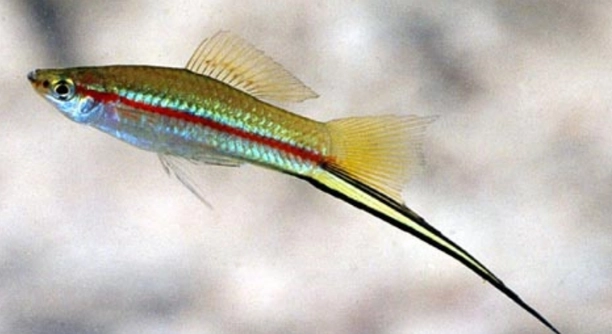
Sick of watching your swordtail float awkwardly in the filter flow? It’s common for aquarium owners to notice their fish behaving oddly from time to time. Here’s a look into why this might be happening.
Your swordtail could be floating in the filter flow due to stress, illness, or buoyancy problems. Stress factors such as poor water quality or tank mates might be affecting the fish, leading it to swim aimlessly.
With the right care, you can fix the issue and prevent it from happening again. The following tips will guide you in getting your swordtail back to its usual self.
Common Reasons for Floating in Filter Flow
Swordtails are usually active swimmers, but when they start floating in the filter flow, it can be a sign something is wrong. The most common reason for this behavior is stress. Stress can result from poor water conditions, incompatible tank mates, or sudden changes in the aquarium environment. Your fish may feel threatened, causing it to swim aimlessly or seek refuge in the filter flow. Poor water quality can also lead to health issues that affect the fish’s buoyancy, leading to abnormal swimming patterns. Other causes include the presence of parasites or internal issues like swim bladder problems. Each factor plays a role in how your swordtail behaves in the tank.
Water quality is crucial when it comes to your swordtail’s health. Make sure to check for high ammonia, nitrite, or nitrate levels. These toxins can harm your fish, making them weak or stressed. Keeping your tank clean is essential.
Swim bladder disease is another common issue. It affects a fish’s buoyancy, causing it to float or sink uncontrollably. If your swordtail is struggling to stay afloat, it may be dealing with this issue. This problem can sometimes result from bacterial infections, injury, or an improper diet. While swim bladder disease isn’t always easy to diagnose, noticing other symptoms, such as a bloated belly or difficulty swimming, can help identify it. A change in diet, adjusting water conditions, or medication may help improve the situation.
How to Improve Your Swordtail’s Health
To address your swordtail’s behavior, the first step is to assess your tank conditions. Regular water changes and ensuring proper filtration can prevent toxins from building up.
One of the simplest things you can do is test your aquarium water regularly for ammonia, nitrites, and nitrates. When these chemicals build up, they stress your fish, causing erratic behavior. Keep the water temperature stable, as sudden fluctuations can also be harmful. Swordtails thrive in temperatures between 72°F and 82°F. Another important factor is the oxygen levels in your tank. If your tank lacks proper aeration, your fish may struggle to swim, especially in areas with filter flow. Make sure there is enough water movement for optimal oxygen exchange.
While water conditions are key, tank mates also play a role. If you have aggressive or overly active fish, it could stress out your swordtail. Ensure that the tank environment is peaceful and that fish are compatible. Swordtails do best with other peaceful species, avoiding those that may nip at their fins. You should also check your swordtail’s behavior and consider whether it is facing internal health issues, such as swim bladder disease, which could require special attention or medication.
Water Quality and Its Impact
Poor water quality is a major stress factor for swordtails. If your fish are floating in the filter flow, it’s important to check the water parameters. Ammonia, nitrites, and nitrates can build up quickly, harming your fish. Regular water changes and a good filtration system are essential for keeping these toxins in check.
To maintain proper water quality, use a water test kit to regularly measure ammonia, nitrites, and nitrates. Aim for zero ammonia and nitrites, with nitrates under 20 ppm. Water changes should be done weekly or as needed, depending on your tank size and population. Make sure the filter is running effectively and isn’t clogged with debris. A clean tank is vital for the health of your swordtail, reducing the chance of diseases and stress.
If your swordtail is stressed from poor water quality, it may show symptoms like gasping for air, floating oddly, or swimming in circles. If left untreated, poor water conditions can lead to diseases or even death. Regular maintenance, including water changes, proper filtration, and testing, helps ensure a safe environment for your fish.
Tank Temperature and Water Movement
Swordtails thrive in stable temperatures. Fluctuations in water temperature can cause stress, affecting your fish’s ability to swim normally. Keep your tank water between 72°F and 82°F. Avoid placing the tank near windows or heat sources to prevent temperature spikes.
If the temperature varies too much, it can weaken your swordtail’s immune system and cause irregular swimming. Make sure to use a reliable aquarium heater with a thermometer to monitor the water’s temperature closely. A heater that fluctuates can cause temperature swings that stress your fish, leading to abnormal behavior. Consistency is key to keeping your swordtail happy and healthy.
Water movement is just as important as temperature. While swordtails enjoy moderate current, too much movement, especially near the filter, can be overwhelming for them. Make sure the water flow isn’t too strong, or your fish may struggle to swim. Adjust the filter settings to create a more comfortable environment for your swordtail.
Swim Bladder Disease
Swim bladder disease can affect a swordtail’s buoyancy, causing it to float in the filter flow. This issue can arise from bacterial infections, injury, or improper diet. If your swordtail appears bloated or has difficulty swimming, swim bladder disease might be the cause.
To help your fish, you can try fasting it for 1-2 days, followed by offering a high-fiber diet, like cooked peas. This can help clear up the digestive system. If there’s no improvement, it may be time to consult with an aquarium veterinarian for further treatment options.
Diet and Feeding Habits
Feeding your swordtail the right food is essential to its health. Overfeeding can lead to swim bladder issues, while an unbalanced diet may affect its buoyancy. Stick to small portions and feed your fish twice a day. Avoid overfeeding to maintain healthy digestion.
Ensure that your swordtail is getting a variety of foods, including high-quality flakes, pellets, and occasional live or frozen foods like brine shrimp. This balanced diet supports their overall health and prevents constipation or bloating that could cause swimming problems.
Tank Mates and Compatibility
Aggressive or overly active tank mates can stress out your swordtail. Ensure that the fish in your tank are peaceful and can coexist without bullying. Swordtails generally do well with other calm, community fish.
If your tank mates are nipping at your swordtail’s fins, consider moving them to a different tank or adding more hiding spots to reduce stress.
FAQ
Why is my swordtail swimming upside down?
If your swordtail is swimming upside down, it might be suffering from swim bladder disease. This condition causes the fish to lose control over its buoyancy. The swim bladder is responsible for regulating buoyancy, so when it’s not functioning properly, the fish struggles to maintain normal swimming positions. In many cases, swim bladder disease is caused by overfeeding, constipation, or injury. You can try fasting the fish for a couple of days and then offering cooked peas to aid digestion. If there’s no improvement, consider consulting a vet for further advice.
How can I fix a swordtail that is constantly floating in the filter?
To fix this, start by checking the water conditions in your tank. High ammonia or nitrate levels can cause stress and affect your swordtail’s behavior. Ensure your tank is clean and your filtration system is working well. Additionally, adjust the water flow in the tank to prevent it from being too strong, especially near the filter. You may also want to look for signs of swim bladder disease or stress caused by aggressive tank mates. Providing a calm, stable environment and ensuring the water parameters are optimal will help your swordtail recover.
Is my swordtail sick if it’s just sitting in the filter flow?
Not necessarily. Swordtails can sometimes sit in the filter flow as a result of stress or environmental discomfort. It could be due to poor water quality, temperature fluctuations, or the presence of aggressive tank mates. However, if the fish is also showing signs of illness such as a bloated belly, discolored fins, or lethargy, it may be dealing with a health issue like swim bladder disease. Keep an eye on the water quality and make sure the tank is peaceful to help your swordtail feel more at ease.
Can my swordtail recover from swim bladder disease?
Yes, swordtails can recover from swim bladder disease with proper care. Treatment usually includes adjusting their diet, fasting them for a few days to relieve constipation, and providing high-fiber foods like peas. If the issue is related to infection, medication may be necessary. However, the success of recovery depends on the cause of the swim bladder problem. If it’s caused by internal injury or infection, recovery may take longer, and in severe cases, the fish might not fully recover.
What are the signs of a stressed swordtail?
Signs of stress in swordtails include erratic swimming, hiding more than usual, not eating, or staying in the filter flow. Stressed fish often show a decrease in activity, unusual swimming patterns, or even flashing, which is when the fish rubs against objects in the tank. Stress can result from poor water quality, too much tank traffic, incompatible tank mates, or sudden changes in the environment. Addressing these factors quickly can help reduce the stress and bring your swordtail back to normal.
Can poor water quality cause my swordtail to swim in the filter?
Yes, poor water quality can definitely cause your swordtail to swim in the filter flow. Fish are sensitive to changes in water parameters, and toxins such as high ammonia, nitrites, or nitrates can make them feel uncomfortable or stressed. When this happens, they may retreat to areas where the water flow is stronger, like near the filter, as a way to seek out better oxygen levels or to hide from the discomfort. Keeping your water parameters in check and performing regular water changes can reduce stress and help your fish swim normally.
What temperature should the water be for swordtails?
Swordtails prefer water temperatures between 72°F and 82°F. Temperatures outside this range can stress the fish and affect their ability to swim and stay healthy. Sudden fluctuations in temperature can be particularly harmful. It’s important to use a reliable heater to maintain a consistent temperature, especially in colder climates. Make sure to monitor the tank’s temperature with a thermometer to ensure it stays within the optimal range for your swordtail.
How can I prevent my swordtail from floating in the filter flow again?
To prevent this, ensure that your swordtail’s environment is as stress-free as possible. Regularly test the water quality for ammonia, nitrites, and nitrates, and maintain a clean tank. Ensure that the filter flow is not too strong, as too much movement can make it difficult for your swordtail to swim. Also, provide your swordtail with a balanced diet and check for any signs of swim bladder disease. If your fish seems stressed, reducing tank mate aggression and adding hiding spots can help them feel more secure.
Should I separate my swordtail if it’s floating in the filter flow?
If your swordtail is floating in the filter flow due to stress from aggressive tank mates, it might be a good idea to separate it temporarily. A peaceful environment could help reduce its stress. However, if the issue is related to health problems like swim bladder disease, separating it isn’t always necessary. Instead, focus on addressing the underlying health or environmental issues that are causing the abnormal behavior. If you’re unsure, separating the fish for observation in a quarantine tank can allow you to monitor it closely.
Can swordtails live with other fish in a community tank?
Yes, swordtails generally do well in community tanks with other peaceful fish. They are active, social fish and can coexist with species like tetras, mollies, or guppies. However, it’s important to avoid housing them with aggressive species that may cause stress. Ensure that there is enough space for all fish to swim comfortably and that your swordtail isn’t being harassed by other tank mates. If there are signs of aggression, you may need to rearrange the tank or remove the aggressive fish to restore harmony.
Final Thoughts
When your swordtail starts floating in the filter flow, it can be concerning. However, it’s important to remember that this behavior is often linked to stress or health issues that can be resolved with proper care. The first step is to assess your tank’s water quality. Poor water conditions, such as high levels of ammonia or nitrates, are common causes of stress in fish. Regular water changes, proper filtration, and ensuring that the tank is well-maintained will help create a healthier environment for your swordtail. Additionally, always keep an eye on the water temperature, as fluctuations can also impact your fish’s behavior. A stable, clean environment is key to preventing many of these issues.
Another important factor to consider is the diet and health of your swordtail. Overfeeding can cause digestive problems, leading to conditions like swim bladder disease, which can affect buoyancy and cause your fish to float unnaturally. Offering small portions of food and varying their diet will help maintain their digestive health. If you suspect swim bladder disease, fasting the fish for a few days and providing high-fiber foods, such as cooked peas, can help clear up mild cases. For more serious health issues, it may be necessary to consult a veterinarian who specializes in aquarium fish.
Lastly, make sure your swordtail’s tank mates are compatible. Swordtails are peaceful fish, but they can become stressed by aggressive or overly active companions. Stress can lead to abnormal behavior, such as floating in the filter flow. If you notice signs of aggression from other fish, consider rehoming them or adding more hiding spots in the tank to provide your swordtail with a safer space. By addressing water quality, diet, and tank environment, you can reduce stress and improve the well-being of your swordtail, allowing it to swim happily once again.

Hello,
If you enjoy the content that we create, please consider saying a "Thank You!" by leaving a tip.
Every little bit helps us continue crafting quality advice that supports the health, happiness, and well-being of pets around the world, for pets of all shapes, sizes, and species.
We really appreciate the kindness and support that you show us!