
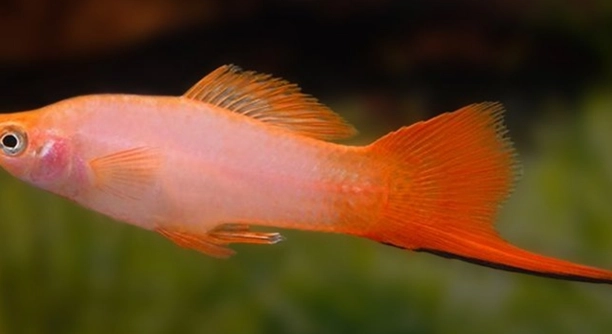
Swordtails are popular aquarium fish known for their bright colors and lively behavior. As with many species, understanding their reactions to different environmental stimuli can help provide them with a better, stress-free habitat.
Swordtails, like other fish, can respond to sudden noises, though their reaction is usually limited to a brief moment of alarm. They may swim rapidly or seek shelter, but this response is often temporary and not overly intense.
Understanding how noise impacts these fish is important for maintaining a peaceful aquarium. Their sensitivity to noise can affect their behavior and overall well-being. In the following sections, we’ll explore how this works in more detail.
How Do Swordtails React to Sudden Noise?
Swordtails, like many fish, have a natural reaction to sudden noises. They often swim away quickly or become more alert. This reaction is their way of responding to potential danger. In the wild, sudden loud sounds can signal threats like predators, so it’s instinctual for swordtails to react swiftly. When they hear something unexpected, it triggers a temporary stress response, but it’s typically brief and doesn’t lead to long-term harm.
Although the noise itself might not directly harm swordtails, repeated loud sounds can cause stress over time. Prolonged exposure to noise might lead to changes in their behavior. They might swim erratically or become less active than usual. Keeping the tank environment calm can prevent unnecessary stress and maintain their health.
Swordtails are sensitive creatures, so even low levels of noise can have an effect. It’s important to consider the environment in which they live. Excessive noise, whether from nearby appliances or loud conversations, can affect their comfort and well-being. Keeping a quiet and peaceful space around their aquarium promotes a more stable environment and allows the fish to thrive.
How Noise Affects Swordtail Behavior
Sound can travel through water, affecting fish more than humans might think. Swordtails are particularly responsive to disturbances in their surroundings. Even small changes in their environment can cause them to act differently, and noise is one such change.
In the wild, swordtails live in calm, undisturbed waters, where they can listen for threats like predators or other dangers. When exposed to sudden or loud noises, their first instinct is to escape, as they would in the wild. However, when this response is triggered too often, it can lead to stress. Fish under stress may stop eating, hide more frequently, or swim frantically, all signs of discomfort. Over time, chronic stress can weaken their immune systems, making them more susceptible to diseases.
This is why it’s crucial to create a quiet environment for swordtails. Whether it’s reducing noise from nearby rooms or placing the tank away from high-traffic areas, these small adjustments can make a big difference in their well-being. Keeping the tank peaceful helps swordtails feel safe and secure, ensuring they remain healthy and active.
The Importance of Tank Placement
Where you place your swordtail tank can impact how they respond to noise. Choosing a quiet area in your home is key. If the tank is placed in a high-traffic or noisy spot, the fish might experience unnecessary stress.
Fish are sensitive to vibrations, so even sounds from footsteps or household appliances can affect them. This stress can lead to abnormal behavior, such as erratic swimming or hiding more than usual. Keeping the tank in a calmer area, away from loud noises, helps swordtails maintain a stable environment. The location of the tank is essential for their overall health.
For swordtails to thrive, it’s important to reduce disturbances around the tank. You should avoid placing the aquarium near the TV, stereo, or noisy machinery. This helps in minimizing the stress response from sudden loud sounds. Additionally, avoid moving the tank frequently, as this can further disrupt their sense of safety. The more stable and quiet their environment, the better they will adapt and behave naturally.
Long-Term Effects of Repeated Noise Exposure
Repeated exposure to noise can cause swordtails to become increasingly stressed. When the tank is constantly exposed to loud sounds, the fish may become anxious, leading to long-term effects. Their overall health and behavior might change.
Stress in swordtails can lead to a variety of issues, including a weakened immune system, decreased appetite, and abnormal swimming patterns. If they are under stress for long periods, they may also become more vulnerable to diseases. Chronic stress can significantly shorten their lifespan, making it essential to protect them from unnecessary disturbances.
Providing a quieter environment will help swordtails feel more secure. Ensuring they aren’t frequently startled by loud sounds helps them remain calm and healthy. A peaceful tank will promote healthy growth and allow swordtails to display their natural behaviors. Reducing stressors in their environment, including noise, is one of the best ways to ensure they live a long, happy life.
Reducing Stressful Noises in the Home
To help swordtails, it’s crucial to minimize loud sounds in their environment. This includes turning down the volume of nearby televisions, music, or other appliances. Even household conversations can affect the tank if they are too loud or frequent.
Creating a quieter space helps swordtails feel safer and more comfortable. Avoid playing loud music or hosting noisy gatherings close to the tank. The goal is to ensure they have a peaceful environment, where sudden loud noises don’t interrupt their daily routines. Consistent tranquility is key to their well-being.
The Role of Tank Decorations in Reducing Stress
Tank decorations like plants, rocks, and hiding spots can help swordtails cope with stress from sudden noises. These items provide a sense of security, as fish can hide or seek shelter when they feel alarmed. Adding more structures to the tank gives swordtails space to retreat when startled.
Swordtails naturally seek out places to hide when they feel threatened. By placing decorations strategically, you offer them safe zones to retreat to. This can reduce the overall stress caused by sudden noise, allowing them to recover quickly from moments of fright. These additions also help mimic their natural habitat, providing comfort and security.
The Effect of Water Movement on Noise Sensitivity
Water movement plays a role in how swordtails react to noise. While they don’t directly hear the sounds like humans, vibrations can still affect them. The stronger the water flow, the more these vibrations may interfere with their senses. This is why a moderate flow is preferable.
Excessive water movement might intensify the effects of noise, as the vibrations from the water can increase their stress levels. A tank with gentle water circulation allows the swordtails to feel calm and secure. It’s important to balance the flow to avoid overwhelming them while still maintaining a clean, healthy environment.
FAQ
Do swordtails get used to noise over time?
Swordtails may eventually adjust to consistent noise, but sudden loud sounds can still cause stress. They don’t develop a tolerance the same way humans or some other animals might. While they can get used to background noise, any sudden disturbance might still startle them. If the noise is constant or repetitive, it could wear on their stress levels over time. It’s best to maintain a quiet, stable environment to avoid long-term stress. They thrive in peaceful surroundings, and reducing loud, jarring sounds helps them feel secure and comfortable.
Can swordtails live in a noisy environment?
Swordtails can technically live in a noisy environment, but it’s not ideal for their well-being. Repeated exposure to noise can lead to stress, which can negatively impact their health and behavior. When exposed to loud sounds too often, they may hide more frequently, swim erratically, or even stop eating. These changes are signs of stress and discomfort. To ensure your swordtails live healthy and happy lives, it’s best to minimize noise and keep their environment as peaceful as possible. A calm space is crucial for them to thrive.
What types of noises affect swordtails the most?
Sudden, sharp noises tend to affect swordtails the most. These include loud bangs, clattering, or any unexpected sounds. Household appliances, such as vacuum cleaners, blenders, or loud music, can also cause stress. Even low-frequency sounds, like heavy footsteps or vibrations from nearby construction, can affect their comfort. Swordtails are sensitive to vibrations through the water, and these sudden disturbances can trigger their flight response. It’s important to keep the tank away from sources of loud, jarring noises to avoid unnecessary stress.
How can I tell if my swordtails are stressed from noise?
You can observe several signs that indicate your swordtails are stressed from noise. These include rapid swimming, erratic movements, hiding more than usual, or showing a lack of appetite. Swordtails may also start to swim in circles or stay near the bottom of the tank. If these behaviors occur frequently after loud noises, it’s likely they are stressed. Prolonged stress can lead to weakened immune systems and health problems, so it’s important to monitor their behavior and make adjustments to their environment.
Is it okay to have other fish with swordtails in a noisy tank?
It’s not ideal to house swordtails with other fish in a noisy tank. Most fish, including swordtails, react similarly to sudden loud sounds. If you have other species in the same tank, they may also experience stress from the noise, which can cause behavioral changes. It’s important to create a peaceful environment for all the fish in the tank, not just the swordtails. If you notice any signs of stress in the other fish, it’s best to adjust their environment by reducing noise or relocating the tank to a quieter space.
How do vibrations affect swordtails in the tank?
Vibrations, like those from loud music or heavy machinery, travel through the water and can stress swordtails. These vibrations mimic the presence of predators or danger, causing the fish to feel uneasy. Swordtails may not hear the sounds themselves, but the vibrations are felt through the water. Continuous exposure to these vibrations can lead to stress, decreased activity, and even health problems. To minimize these effects, it’s important to avoid placing the tank near sources of heavy vibrations, such as speakers or large appliances.
Can swordtails become desensitized to noise?
Swordtails may adapt somewhat to consistent background noise, but they are unlikely to become fully desensitized to loud or sudden noises. Fish are generally more sensitive to vibrations and disturbances than humans. Even if they appear to ignore soft, constant noise, they may still be experiencing underlying stress. It’s important not to rely on them adapting over time and instead focus on maintaining a peaceful, quiet tank environment to avoid causing them stress. Swordtails thrive best when their surroundings are calm and stable.
What are the best ways to reduce noise around a swordtail tank?
To reduce noise around a swordtail tank, place the aquarium in a quiet room away from heavy foot traffic, appliances, or sources of loud sounds. You can also use soundproofing materials near the tank to absorb noise. Avoid placing the tank near televisions, stereo systems, or any machinery that creates loud vibrations. If you have pets, try to keep them away from the tank to minimize sudden movements and sounds. Additionally, keeping the tank covered during certain hours can help reduce disturbances and create a more peaceful environment for your swordtails.
Do swordtails react differently to noise than other fish?
Swordtails react to noise in a similar way to many other fish species. They are sensitive to sudden changes in their environment, including noise, and can show signs of stress such as erratic swimming or hiding. However, each fish species may have varying thresholds for stress, and some may be more resilient to noise than others. Swordtails, being naturally calm and peaceful, tend to be more affected by noise compared to more hardy fish species. It’s always best to keep their environment quiet and free of disturbances to avoid stress.
What should I do if my swordtails seem overly stressed by noise?
If your swordtails appear stressed by noise, first try moving the tank to a quieter area of your home. Reduce surrounding noise, such as turning down the volume of TVs or music. You can also add more hiding spots in the tank to provide them with a sense of security. If the stress continues, consider consulting a veterinarian to rule out any other health issues. The most important step is to provide them with a peaceful and stable environment, reducing stress triggers as much as possible.
Final Thoughts
Swordtails, like all fish, are sensitive to their environment, and sudden noises can cause them stress. While they may not react in the same way humans do, they are still affected by loud sounds, especially if those noises happen often. These fish are naturally inclined to swim away or hide when startled, and prolonged exposure to noise can lead to ongoing stress. This stress can cause changes in behavior, such as erratic swimming or reduced appetite, which may lead to more serious health issues over time. Providing a calm and quiet environment helps swordtails thrive and reduces the risks associated with noise exposure.
When considering the well-being of swordtails, it’s important to think about the overall environment in which they live. Placement of the tank is crucial—keeping it away from high-traffic areas, noisy appliances, or rooms with constant disturbances can make a huge difference in their comfort level. The quieter the space, the better for your fish. It’s also helpful to ensure the water movement is moderate, as strong currents can amplify the effects of noise. Adding plants, rocks, and other decorations to the tank offers swordtails places to hide and feel safe, which can help reduce their stress when noise does occur.
In the end, the key to keeping swordtails healthy and happy lies in managing their environment. Noise, while not immediately harmful, can lead to chronic stress if it’s constant. By paying attention to the placement of the tank, minimizing unnecessary disturbances, and providing plenty of hiding spots, you can create a peaceful habitat where your swordtails will feel secure. A quiet, stable environment not only promotes their physical health but also encourages natural behaviors, helping swordtails live a long, healthy life.

Hello,
If you enjoy the content that we create, please consider saying a "Thank You!" by leaving a tip.
Every little bit helps us continue crafting quality advice that supports the health, happiness, and well-being of pets around the world, for pets of all shapes, sizes, and species.
We really appreciate the kindness and support that you show us!