
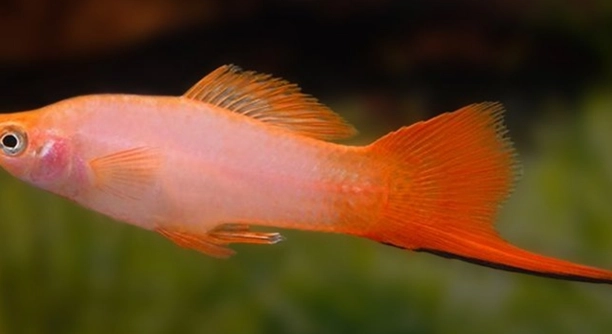
Is your swordtail spending more time near the top of the tank than usual, leaving you unsure if something is wrong?
Swordtails often hover near the top due to low oxygen levels, poor water quality, or illness. This behavior can also signal stress or discomfort related to environmental factors such as overcrowding, temperature shifts, or incompatible tank mates.
By understanding what causes this behavior, you can take better steps to improve your swordtail’s well-being and create a healthier tank environment.
Common Reasons Your Swordtail Is Staying Near the Top
When a swordtail hangs around the top of the tank, the first thing to check is the water conditions. Poor water quality, especially low oxygen levels, can cause fish to seek higher areas where oxygen may be more available. If the tank is overcrowded, or if the filter isn’t working well, oxygen levels can drop fast. Another thing to consider is temperature. If the water is too warm, oxygen levels decrease, and this might stress your swordtail. Illness is also a possibility—parasites, swim bladder issues, or infections might cause abnormal swimming behavior. Watch for signs like clamped fins, lack of appetite, or strange swimming patterns. Even stress from aggressive tank mates can lead to hiding or floating near the surface. These factors are often linked, so it’s important to observe and test your tank conditions carefully before jumping to conclusions.
Oxygen problems usually cause fish to stay at the top, gasping or moving less.
Make sure to clean your tank regularly, use a good filter, and avoid overcrowding. These simple steps can help your fish feel more comfortable. Observing your fish daily helps catch changes early before things get worse. Healthy water means healthier, more active fish.
What You Can Do to Help
Start by testing your water.
Use a water test kit to check for ammonia, nitrites, nitrates, and pH levels. If something looks off, do a partial water change of about 25%. Make sure the new water is treated properly and close in temperature to the tank water. If you haven’t cleaned the tank recently, this may be the time to vacuum the substrate and remove leftover food or waste. If your filter is old or clogged, replace it or clean it out. You can also add an air stone or adjust your filter to increase surface movement, which helps raise oxygen levels. Watch your fish closely after making these changes. If your swordtail improves, you likely addressed the problem. But if the behavior continues, it could be time to isolate the fish or consult a vet to check for illness. Responding early keeps your swordtail from suffering and helps the rest of your tank stay balanced.
Other Factors You Might Be Overlooking
Lighting can affect how your swordtail behaves. If the tank light is too bright or left on too long, it can stress fish and change their swimming patterns. Swordtails may stay near the top to avoid overwhelming lighting below.
Noise and vibration near the tank can also cause your swordtail to act differently. Tanks placed close to TVs, speakers, or high-traffic areas may expose fish to constant stress. Sudden loud sounds or tapping on the glass may seem small but can add up over time. Stress from frequent changes in the tank—like moving decorations or introducing new fish—can also cause them to seek safety near the top. Swordtails are more sensitive than they seem. Consistency helps a lot. Try to keep your tank setup stable and avoid sudden changes in light, sound, or routine. A calmer tank often leads to calmer, more active fish.
Feeding routines can also play a role. If food always floats on the surface, swordtails may start hanging around the top out of habit, even when they’re not hungry. Overfeeding can pollute the water quickly and lead to more serious issues like swim bladder problems. Stick to small portions and remove leftovers after feeding. Fish do best with regular, controlled feeding times. Avoid feeding too late at night, especially if the tank lights are off. That can confuse their rhythm. Also, observe how your swordtail eats—if it’s floating oddly while feeding, it could be a sign of digestive trouble. A balanced diet and clean water go hand in hand to keep things on track.
When It’s Time to Be Concerned
If your swordtail is floating near the top and also refusing food, looking pale, or struggling to swim straight, that may be a sign of illness. Watch for clamped fins, swollen body, or white spots on the skin. These signs can point to internal or external issues that need more care.
In more serious cases, hovering at the top might be linked to infections, parasites, or swim bladder disease. Swim bladder problems can make it hard for fish to stay balanced in the water, and this can get worse if ignored. Medicated food or water treatments may be needed, but always be sure your tank conditions are correct before starting any treatment. Treating fish in a separate tank can also help avoid spreading illness. If you’ve made adjustments and the behavior doesn’t change after a few days, reaching out to a vet who specializes in aquatic animals may be the best option. Early action can prevent long-term problems.
How Tank Mates and Behavior Play a Role
Some fish are more aggressive or territorial, which can stress out a swordtail. If it feels threatened, it might stay near the top to avoid conflict. Watch how other fish interact during feeding or swimming.
Too many fish in the tank can cause competition for space. This may force your swordtail into certain areas, even if they’re not ideal. Crowding also lowers oxygen and increases waste, both of which make things worse for sensitive fish like swordtails.
Importance of Routine Checks
Routine water testing is one of the best ways to avoid unexpected problems. Check levels weekly for ammonia, nitrite, nitrate, and pH. Make sure the filter is clean and working well. Change about 20–25% of the water weekly, even if it looks clear. Always treat new water to remove chlorine and keep the temperature stable. Feeding your fish on a schedule also helps you notice behavior changes early. A fish that skips a meal or acts differently during feeding might be showing signs of stress or illness. Staying consistent with care helps avoid stress, keeps fish active, and creates a stable tank environment.
Final Thoughts on Behavior Changes
Changes in swimming habits can mean something important. Paying attention early makes it easier to help your swordtail feel safe, healthy, and comfortable again.
FAQ
Can poor lighting make my swordtail stay at the top of the tank?
Yes, lighting that is too bright or left on too long can stress swordtails. They may avoid brightly lit areas by staying near the surface or in shaded corners. Try using a timer to give your fish 8–10 hours of light per day. Also, make sure there are plants or decorations that provide shaded areas. Balanced lighting helps fish feel secure and keeps their daily rhythm steady.
Is it normal for swordtails to stay at the top after feeding?
It can be normal if food is floating and they’re finishing off leftovers. But if your swordtail lingers there long after eating or seems to be struggling to swim, it could be a sign of a problem. Overfeeding or swallowing air while eating may lead to bloating or swim bladder issues. Feed in small amounts, and watch their behavior closely during and after meals.
What should I check first when my swordtail starts hovering at the top?
Start with a water test. Check ammonia, nitrite, nitrate, and pH levels. Poor water quality is a very common cause of behavior changes in fish. Make sure the temperature is steady and that your filter is running properly. Watch other fish to see if there’s bullying or overcrowding.
Can oxygen levels really change that fast?
Yes, especially if the filter is clogged or the tank is overcrowded. Warm water holds less oxygen, so if your tank gets too warm, oxygen levels can drop quickly. A lack of surface movement can also reduce oxygen. Adding an air stone or increasing filter flow can help improve this fast.
Is my fish just resting near the top?
Swordtails do rest, but they don’t usually stay at the top for long periods unless they’re sick or stressed. A resting fish will often hover mid-water or near plants or decorations. If your swordtail looks inactive, pale, or struggles to stay balanced, it could be more than just resting.
Do swordtails get stressed easily?
Yes, they can. Changes in water quality, tank mates, lighting, noise, or even frequent tank rearrangements can stress swordtails. Stress shows up in many ways, like hiding, refusing food, or odd swimming. Try to keep the tank environment calm and consistent to avoid triggering stress responses.
What if my swordtail looks healthy but still stays at the top?
Even if there are no visible signs of illness, something could still be off. Habits can form from overfeeding at the surface or previous stress. It’s worth checking the tank setup, routine, and interactions with other fish. Sometimes small changes help bring back normal behavior.
How do I know if it’s a swim bladder problem?
Fish with swim bladder issues often float awkwardly, swim sideways, or struggle to dive. It can be caused by overfeeding, constipation, or infection. Fasting the fish for a day or two and then feeding a small portion of blanched peas can help. If it doesn’t improve, treatment may be needed.
Should I isolate my swordtail if it keeps acting this way?
If you suspect illness or if the fish is being picked on by others, isolating it can help. Use a separate tank with clean, stable water. This makes it easier to monitor the fish and treat it if needed. Just make sure the isolation tank has proper filtration and heating.
What temperature is best for swordtails?
Keep the tank between 72°F and 82°F (22°C–28°C). Sudden changes in temperature can cause stress. Use a reliable heater and thermometer to keep things steady. Avoid placing the tank near windows or heat sources, which can make temperatures shift during the day.
Can decorations or plants help reduce this behavior?
Yes, having hiding spots and live or artificial plants makes swordtails feel safe. It helps reduce stress and gives them more reasons to explore the tank. Fish with a well-structured environment tend to swim more freely and behave more normally. Avoid sharp decorations that could injure them.
Is there a specific filter type I should use?
Any filter that suits the tank size and offers gentle but effective water movement can work. Hang-on-back filters and sponge filters are both good options. Just make sure the filter isn’t too strong, especially for smaller tanks. A gentle current and clean water help support healthy fish behavior.
Final Thoughts
Seeing your swordtail hover near the top of the tank can be worrying, but it’s often a sign that something in the environment needs attention. The behavior may be linked to low oxygen levels, poor water quality, stress from other fish, or even illness. While some fish may spend time near the surface out of habit or to eat, long periods of hovering without movement or energy usually mean something is wrong. By keeping an eye on your swordtail’s behavior and noting any changes, you can catch early signs of a problem and respond before it gets worse.
Taking care of the tank plays a big role in your fish’s health. Testing water weekly, changing it regularly, and making sure the filter works properly are all basic but important steps. Avoiding sudden changes in temperature or tank setup also helps your swordtail feel stable and secure. If your fish is being bullied, separating them or rearranging the tank can sometimes help. Feeding smaller amounts, avoiding overfeeding, and sticking to a daily schedule also make a difference. Many problems can be avoided with small daily habits that support a calm, balanced tank environment.
When a swordtail’s behavior changes, it doesn’t always mean something serious is wrong, but it should never be ignored. Observing closely, making gentle adjustments, and providing a stable home can improve your fish’s behavior over time. If things don’t improve or you notice signs of illness, it’s okay to get help from an aquatic vet or a trusted fish store. Acting early can prevent further stress and protect the rest of your fish. Swordtails are peaceful, active fish that thrive in the right environment. By taking simple steps and paying attention to their needs, you can help them stay healthy, safe, and more comfortable in your tank.

Hello,
If you enjoy the content that we create, please consider saying a "Thank You!" by leaving a tip.
Every little bit helps us continue crafting quality advice that supports the health, happiness, and well-being of pets around the world, for pets of all shapes, sizes, and species.
We really appreciate the kindness and support that you show us!