
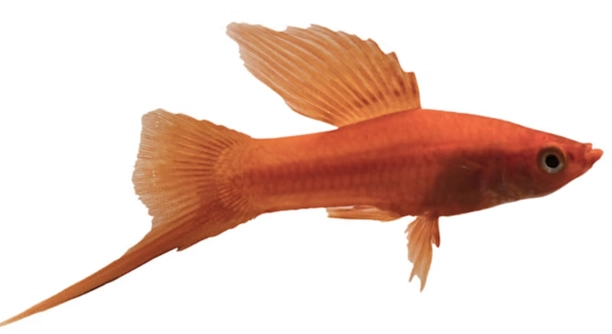
Swordtails are active fish that sometimes dart at the glass of their aquarium. This behavior can be puzzling to owners, but it is a common occurrence among aquarium fish. Understanding why this happens can help improve their care.
Swordtails dart at the glass due to various factors such as stress, boredom, or their reflection. They may mistake their reflection for another fish or react to changes in their environment. Ensuring a stable environment can minimize this behavior.
Recognizing these triggers can help create a better environment for your swordtail. Addressing these issues will promote their well-being and reduce unnecessary stress.
Reasons for Darting Behavior in Swordtails
Swordtails darting at the glass can be unsettling, but it’s a behavior that often comes from their natural instincts or environmental factors. In some cases, they may be reacting to their reflection. Swordtails, like many fish, are territorial creatures. They might see their reflection as an intruder and react accordingly. Another reason could be stress. If the water temperature fluctuates or there is too much movement in the tank, swordtails may dart as a form of distress. Changes in lighting or water conditions can also lead to increased agitation. Boredom might play a role as well. Swordtails are active fish that need ample space to swim and explore. Without enough stimulation, they may resort to darting at the glass simply to release pent-up energy.
When managing this behavior, start by ensuring the environment is stable. Monitor the water quality, temperature, and lighting to avoid sudden changes.
A few adjustments to the tank setup, such as adding more plants or hiding spots, can help reduce stress. Keeping the aquarium environment peaceful will lead to a more content swordtail. Consider increasing the tank’s size if the swordtail seems to have limited space for swimming. Offering a mix of hiding places and open areas will encourage more natural behavior. Try to avoid overstocking the tank, as overcrowding leads to more stress. Making these small changes could help reduce the darting behavior.
How to Minimize Darting at the Glass
A well-maintained aquarium can prevent many behaviors like darting. Regular water changes, checking water parameters, and ensuring the tank is clean are crucial steps. Swordtails thrive in a stable environment where everything is consistent.
Offering proper care to your swordtail will help it adapt and feel more at ease in its habitat. Creating a peaceful, secure space will prevent the darting behavior from becoming frequent. By removing stressors, you encourage healthy, natural swimming patterns.
Tank Size and Space for Swordtails
Swordtails need space to swim and explore. A small tank can lead to stress, which causes darting behavior. A tank of at least 20 gallons is recommended for a single swordtail, with additional space for each additional fish. This allows them to swim freely without feeling crowded.
If your tank is too small, swordtails may feel trapped. This can lead to frustration and stress, resulting in darting at the glass. Increasing the tank size can help reduce this behavior. Along with ample swimming space, include plants, rocks, or decorations for hiding places. This gives swordtails more opportunities for stimulation and reduces boredom.
The tank layout also plays a role. A tank that is too open may leave swordtails feeling vulnerable, causing them to dart or hide. A balanced tank with both open swimming space and hiding spots will make swordtails feel safer and more comfortable.
Water Quality and Temperature
Maintaining good water quality is essential for swordtails. Poor water conditions, such as high ammonia levels, low oxygen, or improper pH, can cause stress. Swordtails are sensitive to changes in their environment. When water quality is suboptimal, they may begin darting at the glass as a sign of distress.
Regular water changes are vital. Aim for at least 25% of the tank water to be changed every two weeks. This will keep ammonia and nitrite levels in check, and the water will stay clean. Monitoring the water’s pH, hardness, and temperature is also important. Swordtails thrive in water temperatures between 72°F and 82°F. Too much fluctuation can trigger stress.
Test the water regularly using water testing kits to catch any issues early. Ensuring clean water will promote healthy behavior in swordtails and help keep darting at the glass to a minimum.
Tank Mates and Compatibility
Swordtails are social fish but can become territorial if housed with aggressive tank mates. This can lead to stress and darting behavior. Ensure that their companions are peaceful and non-aggressive to avoid causing them distress. Swordtails do best with other calm species.
When selecting tank mates, consider fish that occupy different levels of the tank. This reduces competition and territorial behavior. Avoid keeping swordtails with overly aggressive fish or species that are too similar in size. A harmonious tank environment will help swordtails feel secure and prevent darting.
Lighting and Day/Night Cycle
Lighting affects swordtails’ behavior. Too much light can stress them, while too little light can also impact their well-being. Swordtails do best with a consistent day/night cycle of around 12 hours of light and 12 hours of darkness.
Maintaining proper lighting helps regulate their natural behavior and supports their biological rhythms. Dim lighting or sudden changes can cause swordtails to feel insecure. A reliable light source will help them feel comfortable and at ease, reducing their tendency to dart at the glass.
Stress from Overfeeding
Overfeeding can contribute to swordtail stress. When food remains uneaten in the tank, it can pollute the water, impacting water quality. Swordtails may become restless or dart at the glass as they try to find food or escape the discomfort caused by poor water conditions.
Feeding swordtails once or twice a day is usually sufficient. Avoid overloading the tank with food, as leftover bits can lead to higher ammonia levels. This can cause discomfort and stress, which may manifest as darting behavior.
FAQ
Why is my swordtail darting at the glass?
Swordtails can dart at the glass due to several reasons. It may be reacting to its reflection, thinking it’s another fish. Stress from water quality changes, temperature fluctuations, or overcrowding can also cause this behavior. Boredom due to insufficient space or lack of hiding spots may also lead them to dart around the tank. It’s essential to address these environmental factors to minimize stress.
How can I stop my swordtail from darting at the glass?
To stop the darting, ensure the tank is large enough and that the water quality is optimal. Regular water changes, proper filtration, and stable temperature help reduce stress. Adding plants, rocks, and hiding spots creates a more secure environment. Reducing the number of aggressive tank mates can also help.
Do swordtails dart when they’re hungry?
Swordtails can become more active if they are hungry. However, darting at the glass is more often a sign of stress or frustration. If swordtails are regularly darting at the glass, it’s worth evaluating their feeding schedule. Overfeeding or underfeeding can cause unease, so it’s important to maintain a balanced diet.
Can darting behavior be caused by water temperature?
Yes, temperature fluctuations can stress swordtails and cause them to dart at the glass. Swordtails thrive in a water temperature range of 72°F to 82°F. If the water is too cold or too warm, it can lead to discomfort, causing them to swim erratically. Use a reliable thermometer to ensure the water stays within the appropriate range.
How do I know if my swordtail is stressed?
Apart from darting, signs of stress in swordtails can include rapid breathing, hiding, or loss of color. A stressed swordtail may also display erratic swimming behavior. If these signs are noticed, it’s important to check the water conditions, ensure the tank has enough space, and assess any aggressive tank mates.
Can I reduce darting behavior by changing the tank’s setup?
Yes, changing the tank setup can reduce darting behavior. Adding plants, decorations, or caves for hiding can make swordtails feel safer. Swordtails also need enough space to swim freely. A tank with a balanced layout, combining open areas and hiding spots, will make them feel more secure and less likely to dart at the glass.
Are swordtails territorial?
Yes, swordtails can be territorial, especially in smaller tanks or when housed with similar-sized fish. If they feel their space is being invaded, they may react aggressively or dart around the tank. Ensuring plenty of space and avoiding overcrowding will help prevent territorial disputes.
Is darting behavior in swordtails a sign of illness?
Darting behavior can be a sign of illness, but it’s more often related to stress or environmental factors. If darting is accompanied by other symptoms, like lethargy, loss of appetite, or physical abnormalities, it could indicate an illness. In such cases, a water change and a check-up on the tank’s conditions should be done. If symptoms persist, consider consulting a veterinarian.
Can I use a mirror to distract my swordtail from darting?
Using a mirror to distract swordtails can be effective for a short period but should not be used regularly. It may briefly redirect their attention from darting, but prolonged exposure to reflections can stress the fish further. It’s better to focus on addressing the underlying cause of the darting, like water quality or tank environment.
How can I make my swordtail feel more comfortable in its tank?
To make your swordtail feel more comfortable, ensure the tank is the right size, maintain proper water quality, and keep the environment stable. Swordtails need good water circulation, so a reliable filter is essential. Add plants or decorations to provide hiding spots, and ensure they have enough space to swim freely without being overcrowded.
What should I do if my swordtail won’t stop darting?
If the darting behavior persists, check for underlying causes. First, evaluate the tank’s size and ensure it is suitable for the number of fish. Next, test the water quality and temperature. If all environmental factors are balanced and the behavior continues, consider whether tank mates are causing stress or if the fish is unwell.
Final Thoughts
Swordtails are active and social fish, but darting behavior can be a sign of stress or discomfort. Understanding the causes behind this behavior can help create a better environment for them. Factors such as water quality, tank size, temperature, and tank mates all play a role in their well-being. By addressing these factors, it’s possible to reduce darting and ensure a healthier, more comfortable tank for your swordtail.
A key element to preventing darting behavior is providing a proper-sized tank with enough space for the swordtail to swim freely. Avoid overcrowding, as this can cause stress and territorial disputes. Also, make sure there are plenty of hiding spots, plants, and decorations. These additions will allow your swordtail to feel secure and reduce the chances of darting behavior. Along with the tank environment, regular water changes and temperature control are critical to maintaining the right conditions for your fish.
Lastly, if darting continues despite addressing environmental factors, consider examining the fish’s health. Stress is often caused by poor water conditions or tank mates, but sometimes illness can also contribute to erratic behavior. Keeping an eye on your swordtail’s overall health, and taking action early, can prevent bigger issues down the line. When in doubt, consulting with a veterinarian or aquarium expert may be helpful. Creating a comfortable and stable environment for your swordtail will lead to a happier, healthier fish.

Hello,
If you enjoy the content that we create, please consider saying a "Thank You!" by leaving a tip.
Every little bit helps us continue crafting quality advice that supports the health, happiness, and well-being of pets around the world, for pets of all shapes, sizes, and species.
We really appreciate the kindness and support that you show us!