
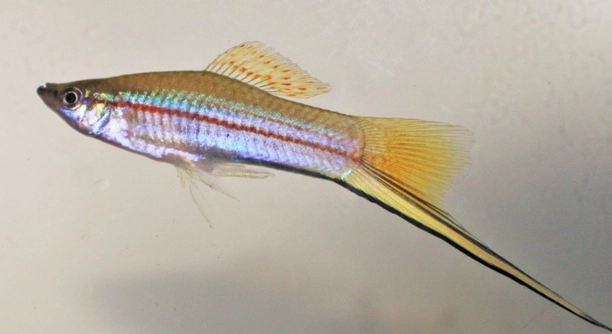
Swordtails are popular aquarium fish known for their vibrant colors and active behavior. Many aquarists wonder whether these fish can swim against currents in their environment. This question comes up frequently for those who keep them in flowing tanks.
Swordtails are capable swimmers, but their ability to swim against strong currents depends on their size, strength, and the current’s intensity. In a tank with moderate water flow, swordtails can navigate the current, but they struggle with very strong currents.
Understanding how swordtails react to water flow will help you maintain the best conditions for them. Knowing how to manage tank currents can improve their health and comfort.
How Swordtails Handle Moderate Water Flow
Swordtails are well-suited to environments with moderate water flow. They are naturally active and capable of adjusting to various tank conditions. In tanks with gentle currents, swordtails will swim happily and comfortably, often exploring different areas of the tank. Their strong tails aid them in maneuvering through light currents. These fish can usually keep up with the movement of the water as long as the flow isn’t overwhelming. Swordtails are more likely to show stress if the current becomes too strong. Excessive flow can cause them to struggle, impacting their overall health.
The key to maintaining healthy swordtails is balancing water flow. A moderate current will allow them to thrive, encouraging natural behavior without causing stress.
While they enjoy swimming and exploring, swordtails still need their environment to match their needs. Too much water flow can lead to fatigue, and this can affect their feeding and overall well-being. Avoid strong water currents if your swordtails seem to struggle swimming.
How Tank Setup Affects Swordtail Swimming
The setup of your tank plays a big role in how swordtails swim. Ensuring proper flow can be achieved by using adjustable filters and avoiding direct strong currents.
If you notice your swordtails swimming erratically or staying in one corner of the tank, the water flow might need adjustment. They prefer a gentle, consistent current to replicate their natural habitat. The tank’s design should offer spaces where swordtails can retreat to calmer areas when they need rest.
Adjusting the Water Flow
Adjusting water flow is essential for keeping swordtails comfortable. Too much flow can cause stress, while too little might lead to stagnant water.
A good filter with adjustable flow settings allows you to regulate the current. If the filter is too strong, consider adding a flow diffuser to reduce the intensity. Swordtails prefer water movement that mimics their natural habitat, not a strong current that forces them to fight against it. Keeping the current moderate helps reduce stress and keeps the tank’s water clean.
If you’re using a pump, ensure it has adjustable settings. You can also rearrange decorations to block direct water flow in some areas of the tank. This provides your swordtails with calmer spaces when needed.
Tank Placement for Optimal Flow
Where you place your tank impacts the water flow. A tank positioned near a door or a fan may experience changes in air pressure, affecting the flow.
Swordtails thrive in tanks with gentle and steady currents. Placing your tank in an area where air doesn’t cause sudden changes in water flow is key. A stable environment helps them feel secure. If your tank is near a drafty area, it could lead to irregular flow, which might stress the fish. It’s best to place the tank in a quiet, stable spot where you can control the flow easily.
Signs of Stress in Swordtails
When swordtails are stressed, their behavior changes. They may swim erratically or constantly seek calm areas of the tank.
Stress can also lead to changes in their color. Swordtails may become paler or exhibit dark stripes when under pressure. If this happens, check the water flow and make sure the tank conditions are suitable. Reducing strong currents can help ease their stress.
Proper Feeding and Activity Levels
Swordtails are active fish that need proper nutrition to stay healthy. Overfeeding can lead to water quality issues, so it’s important to feed them in moderation.
Ensure a balanced diet that includes high-quality pellets or flakes, supplemented with occasional live or frozen foods. Regular feeding encourages swordtails to stay active and healthy, promoting natural behavior. Make sure there’s no leftover food that could affect water quality.
FAQ
Can swordtails live in strong currents?
Swordtails can tolerate moderate currents, but they struggle in strong water flow. They are better suited for tanks with gentle or moderate water movement. Strong currents can cause stress, making it harder for them to swim properly. It’s important to maintain a current that allows them to swim without exerting too much effort.
How do I know if my swordtail is stressed from the water current?
If your swordtail is stressed due to water flow, it will show signs such as erratic swimming or frequent hiding. Swordtails may also display changes in color, becoming paler or showing darker stripes. They might spend more time near corners or sheltered areas in the tank. If you notice these behaviors, it’s a sign that the current may be too strong for them.
What type of water flow do swordtails prefer?
Swordtails prefer a gentle to moderate water flow. A current similar to what they would experience in their natural environment, such as calm streams or rivers, is ideal. A strong current can cause them to expend excessive energy, which can lead to stress and health issues.
How can I adjust the water flow for swordtails?
You can adjust the water flow by using an adjustable filter or adding a flow diffuser. Reducing the filter’s strength or redirecting the flow with decorations helps create calmer spots for the swordtails. It’s important to keep the flow moderate, not too strong, so the fish can swim naturally without tiring themselves.
Can swordtails swim upstream in a current?
Swordtails have strong swimming abilities, but they are not suited for swimming against strong currents. They can manage moderate flow but will struggle with fast-moving water. Swordtails may tire quickly in a strong current, so providing a manageable flow is best for their health.
What happens if swordtails are kept in water with too much current?
If swordtails are kept in strong currents, they may experience stress, leading to behavior changes like erratic swimming or reduced appetite. Over time, the constant struggle to swim against the current can affect their health. They may also suffer from exhaustion and lose their energy for other activities, such as feeding or interacting with tankmates.
How do I reduce stress from the water flow?
To reduce stress, adjust the filter settings to lower the current, or use a flow diffuser to spread the water more evenly. You can also rearrange decorations in the tank to block or redirect the flow. Providing areas with calmer water gives the swordtails a place to rest.
Can swordtails live in a tank with a strong filter?
Swordtails can live in tanks with a filter, but the filter should not produce a strong current. A high-powered filter can create an intense flow that stresses the fish. You can reduce the filter’s power or add accessories like sponge filters to help circulate the water without overwhelming the swordtails.
Are swordtails sensitive to water quality changes?
Yes, swordtails are sensitive to changes in water quality. Poor water quality can cause stress, weaken their immune systems, and increase susceptibility to disease. Regular water changes, proper filtration, and maintaining the right water parameters are essential for their well-being.
What should I do if my swordtails are not swimming properly?
If swordtails aren’t swimming properly, check the water flow and ensure it’s not too strong. They may be having trouble swimming against a current or struggling with poor water quality. Also, monitor their behavior for other signs of stress or illness, such as pale colors or lack of appetite.
Can swordtails survive in a tank with no water flow?
Swordtails can survive in a tank with no current, but they may not thrive. They prefer a bit of water movement to encourage natural swimming behaviors. However, the water should not be stagnant, as this can lead to poor water quality and oxygen depletion.
How often should I check the water flow in my swordtail tank?
It’s a good idea to check the water flow regularly, especially if you notice changes in your swordtails’ behavior. Over time, filters and pumps may become clogged, affecting water flow. Regular checks help ensure the current stays at an appropriate level for the fish.
How can I make sure my swordtails are happy in their tank?
To keep swordtails happy, maintain a balanced water flow, clean water, and proper tank setup. Offer a varied diet to keep them healthy, and ensure the tank has enough space for them to swim freely. Observing their behavior will give you clues about whether they are content with their environment.
What tank mates are suitable for swordtails?
Swordtails are peaceful fish and can live with other non-aggressive species. Good tank mates include other livebearers like guppies or platies, as well as peaceful bottom dwellers like Corydoras catfish. Avoid aggressive fish or species that might create strong currents, which could stress the swordtails.
Can swordtails tolerate changes in temperature?
Swordtails are fairly hardy and can tolerate a range of temperatures. However, sudden temperature fluctuations can stress them. It’s best to keep the water temperature between 72°F and 82°F (22°C to 28°C) for optimal health. Avoid rapid changes in temperature, which can harm the fish.
Final Thoughts
Swordtails are resilient and adaptable fish, but they do have preferences when it comes to their environment. Maintaining the right water flow is essential for their well-being. While they can tolerate some current, excessive flow can cause stress and affect their health. It’s crucial to provide a setup that mimics their natural habitat, where the water moves gently, not too fast. Keeping the water flow at a manageable level will help them swim comfortably and reduce the chances of them becoming stressed or exhausted.
In addition to managing the current, it’s important to regularly check the water quality. Swordtails are sensitive to poor water conditions, and high levels of toxins or low oxygen can lead to health issues. Frequent water changes, good filtration, and monitoring of water parameters such as pH, temperature, and ammonia levels are necessary. By maintaining stable water conditions and adjusting the flow as needed, swordtails can thrive in your tank. It also ensures that they remain active and display natural behaviors, which are signs of a healthy fish.
Lastly, always observe your swordtails. Watching their behavior and taking note of any changes will help you understand if they are comfortable in their environment. If you notice signs of stress like erratic swimming, hiding, or color changes, check the current and water quality. Adjusting the flow and ensuring the tank setup is optimal will help your swordtails live a healthier and stress-free life. Keeping their needs in mind will ensure they stay happy, active, and healthy in their aquatic home.

Hello,
If you enjoy the content that we create, please consider saying a "Thank You!" by leaving a tip.
Every little bit helps us continue crafting quality advice that supports the health, happiness, and well-being of pets around the world, for pets of all shapes, sizes, and species.
We really appreciate the kindness and support that you show us!