
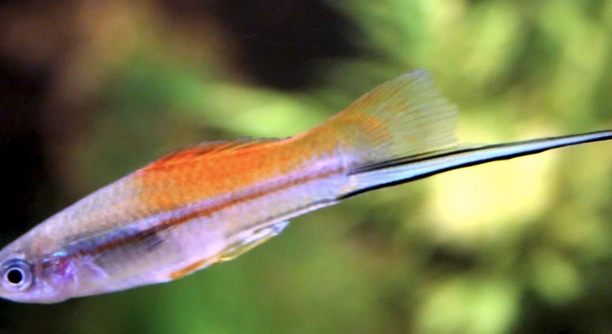
Swordtails are popular aquarium fish, known for their bright colors and lively behavior. But sometimes, you might notice your swordtail hiding behind plants or other decorations in the tank. This change in behavior can be concerning.
Swordtails hide behind plants due to stress, illness, or environmental changes. Stressors such as overcrowding, poor water quality, or aggressive tank mates may lead them to seek out hiding spots for comfort and safety.
Understanding the possible reasons behind this behavior will help you address the issue. By knowing what to look for, you can create a better environment for your swordtail’s well-being.
Stress and Anxiety in Swordtails
Swordtails can hide behind plants when they are stressed or anxious. Stress can be triggered by several factors, such as new tank mates, loud noises, or sudden changes in the environment. When swordtails feel threatened, they instinctively seek a safe, quiet place to hide. If there’s a lot of movement around their tank or a new fish has been introduced, this can cause anxiety. Additionally, changes in water temperature or poor water quality may make your swordtail feel unsafe, prompting them to retreat to a hiding spot.
Stress can also come from improper tank conditions. If your swordtail is frequently hiding, it’s a sign that the environment may not be ideal. Keep an eye on any changes in your tank setup, and check that all water parameters, such as pH, ammonia levels, and temperature, are in a healthy range.
Swordtails are active fish that enjoy swimming and exploring their surroundings. If they’re hiding more than usual, it could mean they’re uncomfortable in their tank. Ensuring a stable and calm environment will help them feel more at ease. Sometimes, adding more plants and hiding spots can give them a sense of security.
Illness and Injury
If your swordtail is suddenly hiding, illness or injury could be the reason. Sick fish often seek quiet places away from the rest of the tank to recover.
Fish injuries can also lead to hiding behavior. If your swordtail has been involved in aggressive interactions with other fish or has gotten hurt by decorations, it may retreat to rest. Look for any signs of injury, such as missing scales or visible wounds.
It’s important to monitor your swordtail’s behavior for other symptoms of illness, such as loss of appetite, faded colors, or abnormal swimming patterns. Sometimes, sick fish might swim erratically or remain at the bottom of the tank. If these signs appear, it’s essential to isolate the sick fish in a quarantine tank to prevent the spread of disease. You can also consult with an aquarium professional to determine the best course of action for treating the illness.
Environmental Factors
Swordtails are very sensitive to changes in their environment. Poor water quality is one of the most common environmental factors that can make them feel uncomfortable. High levels of ammonia, nitrites, or nitrates can cause stress and may prompt your swordtail to hide. It’s important to regularly test your tank’s water and perform partial water changes as needed. A filtration system that keeps the water clean can also help reduce stress on your fish.
Swordtails prefer stable conditions, and changes in temperature, lighting, or the tank’s setup can also lead to hiding. Make sure your tank has the right lighting intensity and that the temperature is within the ideal range of 72-78°F (22-26°C). Fluctuations in these factors can stress out your swordtail, causing them to seek out hiding spots.
Regular water testing and maintaining a consistent environment will help keep your swordtail feeling comfortable. Keep an eye on your fish and adjust the tank conditions to suit their needs. This will not only reduce hiding behavior but also promote their overall health.
Tank Mates and Aggression
Swordtails are peaceful fish, but they can sometimes become stressed due to aggressive tank mates. If other fish are picking on them or trying to establish dominance, swordtails may hide to avoid confrontation. Aggression from other fish, especially fin nippers or more territorial species, can make your swordtail feel unsafe.
To prevent aggression, it’s important to carefully choose tank mates for your swordtail. Avoid keeping them with overly aggressive or territorial fish, like some cichlids or bettas. Instead, opt for peaceful fish that won’t challenge your swordtail. Also, ensuring that the tank has enough space and hiding spots can help reduce stress. Providing areas where swordtails can retreat when they feel threatened will help them feel more secure and less likely to hide.
If you notice your swordtail constantly hiding, consider rearranging the tank to break up territories or removing any overly aggressive fish. Stress caused by aggression can lead to long-term health issues, so it’s important to address these conflicts quickly.
Tank Size and Overcrowding
Swordtails thrive in tanks with plenty of space to swim. If your aquarium is too small or overcrowded, it can lead to stress. When fish are cramped, they often seek out hiding spots to feel safer. Overcrowding also leads to poor water quality, which compounds the problem.
To keep your swordtail comfortable, ensure your tank provides enough space for each fish to swim freely. A tank that is at least 20 gallons should be sufficient for a small group of swordtails. Avoid cramming too many fish into the tank, as this can increase stress levels. Proper filtration will help maintain the water quality, but space is key for their overall well-being.
Overcrowding is not just about physical space. Too many fish can cause heightened competition for food, territory, and oxygen, which also leads to stress. A spacious tank allows swordtails to explore and swim freely, helping them avoid hiding behind plants. With enough space, they are more likely to engage in natural behaviors, such as swimming actively or interacting with tank mates.
Lighting Conditions
Lighting can affect your swordtail’s behavior. If the lighting in the tank is too bright or too dim, your swordtail might seek shelter behind plants. Fish have different light preferences, and uncomfortable lighting can cause stress.
A consistent and gentle lighting setup is key. Swordtails prefer moderate lighting that mimics their natural habitat. If the light is too harsh, they may feel exposed and hide to avoid feeling vulnerable. Try to replicate natural light conditions with adjustable lighting and a day-night cycle. This will help your swordtail stay calm and more active in the tank.
Water Temperature
Swordtails are sensitive to water temperature fluctuations. When the water is too warm or too cold, they may retreat to shaded areas to regulate their body temperature. Keeping the tank temperature stable is essential.
Aim for a water temperature between 72-78°F (22-26°C) for swordtails. Fluctuations outside of this range can lead to stress and make them hide. To maintain a stable environment, use a reliable aquarium heater with a thermometer to monitor the temperature. Properly regulated water will help your swordtail feel more at ease in their tank.
Tank Decorations and Hiding Spots
Swordtails enjoy having places to hide, but too many hiding spots can make them feel insecure. Offering a balance of open swimming space and places to retreat can prevent excessive hiding.
Adding plants, rocks, or caves allows swordtails to feel secure, but make sure there’s enough open space for them to swim freely. Avoid overcrowding the tank with decorations, as this can limit swimming area and add stress. The right balance helps swordtails feel safe without becoming overly reclusive.
FAQ
Why is my swordtail hiding all of a sudden?
Swordtails often hide due to stress, illness, or changes in their environment. If your swordtail was previously active and has started hiding, it may be feeling uncomfortable. This could be due to aggressive tank mates, poor water quality, temperature fluctuations, or even a recent change in the tank setup. Stress is a common trigger for this behavior. In some cases, sickness or injury can also cause them to seek out hiding spots as they try to recover. If you notice signs of illness, such as faded colors, loss of appetite, or unusual swimming patterns, it’s important to take action promptly. Check your tank’s water quality and ensure it’s free from ammonia, nitrites, and nitrates, and that the temperature is stable.
How do I know if my swordtail is sick?
A sick swordtail may display several signs, including faded or dull colors, loss of appetite, erratic swimming, or visible wounds. They may swim in circles, near the bottom, or stay in one place. You might also notice them breathing rapidly or having difficulty swimming. If your swordtail is hiding and showing any of these symptoms, it’s a good idea to isolate them in a quarantine tank to prevent the spread of illness. Look for any obvious signs like lesions, swollen areas, or clamped fins, which are all indicators that something is wrong. If you suspect your swordtail is sick, consult a professional for advice and treatment options.
Is hiding always a sign of stress?
Hiding is often a sign of stress, but it’s not always the case. Swordtails, like many fish, use hiding spots to feel secure and rest. This behavior can be part of their natural pattern, especially in a well-planted tank. However, if your swordtail is hiding more than usual, it’s important to consider other factors. If they are not interacting with their environment as they normally would or are showing other signs of distress, it may indicate a deeper issue, such as aggression from other fish, poor water quality, or illness. If there are no obvious stressors, it’s worth monitoring them to see if the behavior changes over time.
Can too many fish cause swordtails to hide?
Yes, overcrowding can lead to stress and hiding behavior in swordtails. When there are too many fish in a tank, they compete for space, food, and oxygen, which can cause anxiety. Swordtails are social creatures, but they also need their personal space to swim freely. If the tank feels cramped, they may seek out hiding places to avoid conflict or stress. To prevent overcrowding, ensure that your tank has adequate space based on the number of fish. A general rule is to provide at least 1 inch of fish per gallon of water. This will help your swordtail feel more comfortable and reduce hiding behavior.
Can water quality affect my swordtail’s behavior?
Yes, poor water quality is a common cause of hiding in swordtails. If the water contains high levels of ammonia, nitrites, or nitrates, it can cause stress and health problems for your fish. Swordtails are especially sensitive to changes in water quality and may retreat to a hiding spot if the environment feels unsafe. Regular water changes and testing are essential for maintaining a healthy tank. If you notice your swordtail hiding and suspect water quality issues, test the water for harmful chemicals. A good filtration system can help maintain clean water and keep your swordtail active and healthy.
Should I remove my swordtail if it’s hiding all the time?
If your swordtail is hiding excessively, it’s important to identify the underlying cause before deciding to remove it. First, check for signs of illness or injury and make sure the water conditions are ideal. If the water quality is poor or tank mates are aggressive, it may be necessary to remove the swordtail temporarily to reduce stress. However, if there are no apparent issues, the swordtail may just need some time to adjust to changes in the tank. If your swordtail is hiding, but still eating and swimming occasionally, there may be no immediate need to remove them.
Can lighting affect my swordtail’s hiding behavior?
Yes, lighting can have an impact on your swordtail’s behavior. Swordtails prefer moderate lighting, similar to what they would experience in their natural habitat. If the lighting is too bright, they may feel exposed and try to hide. On the other hand, if the tank is too dim, they may not feel secure and may seek out darker areas for comfort. It’s important to maintain a balanced light schedule with a day-night cycle to mimic natural conditions. A good lighting system that isn’t too harsh or too dim will help your swordtail feel safe and less likely to hide.
How can I reduce stress in my swordtail’s tank?
Reducing stress in your swordtail’s tank involves several factors, such as proper water quality, a suitable tank size, and peaceful tank mates. Ensure the tank is spacious enough for the number of fish you have, and provide hiding spots where your swordtail can retreat if needed. Keep the water clean by performing regular water changes and monitoring the temperature to keep it stable. Avoid overcrowding the tank and select tank mates that won’t be overly aggressive. Lastly, ensure that the lighting is not too bright and provide a comfortable environment that allows your swordtail to thrive.
Can I add more plants to my tank to reduce hiding?
Yes, adding more plants can provide your swordtail with more hiding spots, which can help reduce stress. Swordtails enjoy having places to retreat when they feel threatened. However, it’s important to strike a balance between providing enough hiding spots and leaving enough open swimming space. Overcrowding the tank with plants can make the environment feel cramped, which could increase stress and lead to more hiding. Plants also help maintain water quality by absorbing excess nutrients, which can reduce the chances of poor water quality causing stress. Ensure your plants are healthy and well-maintained for the best results.
Final Thoughts
Swordtails are generally active and peaceful fish, but it’s important to understand their behavior to keep them healthy. Hiding behind plants or other decorations can be a sign that something isn’t quite right in their environment. Whether it’s stress from tank mates, poor water quality, or changes in the tank setup, these factors can cause swordtails to seek out hiding spots for safety. It’s essential to monitor their behavior closely, as hiding could also be a sign of illness or injury. Addressing the root cause of this behavior will help ensure your swordtail remains healthy and comfortable in the long run.
Creating a balanced environment is key to keeping your swordtail from hiding too much. Providing enough space, proper water conditions, and peaceful tank mates will reduce the chances of stress and allow your fish to feel secure. Make sure the tank has plenty of open swimming space, along with some plants or decorations for hiding when necessary. Keep the water clean and maintain a stable temperature, as fluctuations in these factors can also lead to hiding. Consistent care and attention to the tank setup will help your swordtail feel safe and thrive in its home.
Lastly, it’s important to remain patient and observant. Swordtails can sometimes take time to adjust to changes in their tank or environment. However, if hiding becomes excessive or is accompanied by other signs of illness, it’s crucial to take action quickly. By addressing any issues related to water quality, tank size, or aggression from other fish, you’ll create a more comfortable space for your swordtail. Monitoring your fish regularly and providing a stress-free environment will help them stay active, happy, and healthy for years to come.

Hello,
If you enjoy the content that we create, please consider saying a "Thank You!" by leaving a tip.
Every little bit helps us continue crafting quality advice that supports the health, happiness, and well-being of pets around the world, for pets of all shapes, sizes, and species.
We really appreciate the kindness and support that you show us!