
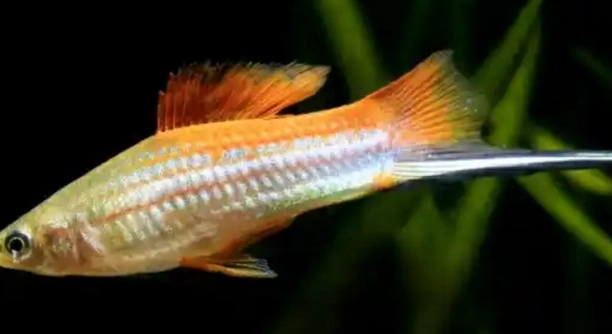
Swordtails are fascinating little fish often seen swimming in aquariums. If you’ve ever had one as a pet, you may have noticed that they spend a lot of time pecking at each other.
Swordtails engage in pecking behavior primarily due to social interaction, territoriality, and their instinctual habits. They may also peck to establish dominance, seek food, or maintain group harmony, as these fish tend to be naturally active and communal.
Understanding why your swordtails are pecking can help you address any concerns you might have. By observing their behavior closely, you can ensure a healthier, more balanced environment for your aquarium’s inhabitants.
Why Swordtails Peck at Each Other
Swordtails, like many fish, are naturally social creatures. Pecking can be part of their communication, and they often do it to interact with each other. This behavior is especially noticeable in a tank with multiple swordtails. The pecking may be a way of testing boundaries and asserting themselves within the group. In the wild, swordtails are accustomed to living in large groups, so their behavior in an aquarium can sometimes reflect these natural instincts. It’s important to understand that swordtails don’t always mean harm when they peck at each other, but it’s a form of establishing their place in the group hierarchy.
Pecking can also be influenced by stress or changes in their environment. If your swordtails are in a tank that feels too crowded or lacks hiding spaces, they might become more aggressive. This behavior may seem aggressive, but it’s often just their way of managing their position among tank mates.
Swordtails are not only influenced by space but also by food availability. When there is competition for food, they might peck at one another to ensure they get enough. This is particularly common if the food is scattered around the tank or if one fish is seen as the dominant one. If food is scarce or not offered in a varied way, swordtails may resort to pecking to secure their meals. Ensuring a well-balanced diet and proper feeding techniques can help reduce this competitive behavior.
Social Dynamics Among Swordtails
Swordtails are territorial fish, and their social structure can sometimes cause conflict. The pecking is often a way for them to assert dominance over one another. Even in a peaceful tank, their instinct to establish control can result in frequent pecking. Some swordtails may be more dominant, and they use pecking as a way to reinforce their status. This is natural behavior, and in most cases, it doesn’t lead to serious harm.
However, constant pecking might signal an underlying issue. It could indicate overcrowding or an imbalance in the tank, where the swordtails feel the need to compete for resources. While this is often seen in tanks that are too small or lack sufficient hiding spaces, it can also happen if there are more males than females. Males might compete with each other to win the attention of a female, which can lead to increased aggression. Offering a tank with more space, multiple hiding spots, and a balanced male-to-female ratio can help minimize stress and reduce aggressive behaviors.
By maintaining the right conditions, swordtails can live harmoniously without the need for constant pecking. Proper tank management is key to a peaceful environment for all your fish.
Pecking to Establish Dominance
Swordtails often use pecking to establish dominance within their tank. This behavior is particularly common among males who compete for the attention of females. The pecking helps them assert their position in the group. It’s a natural part of their social structure.
Males can be more aggressive when trying to impress females, leading to more frequent pecking. If there are more males than females in the tank, this competition becomes more intense. The dominant males will use pecking to push other males away, creating a hierarchy. It’s essential to observe these interactions, as excessive aggression can lead to stress for the fish.
If you notice constant pecking among males, it may be helpful to reduce the number of males in the tank or increase hiding spaces. This gives the less dominant fish a chance to avoid unnecessary confrontations. Proper tank management will allow swordtails to coexist peacefully while still displaying their natural social behaviors.
How Pecking Can Be Related to Stress
Stress is a major factor in why swordtails may start pecking at each other. When fish feel threatened or anxious, they may turn to pecking as a form of defense or agitation. Overcrowding in the tank or changes in the environment can cause this behavior.
If the swordtails feel that their space is being invaded or there’s insufficient room to swim, they may resort to pecking to defend themselves. This is especially common if the fish are competing for territory or resources. Stress can be caused by several factors, like changes in water quality, lighting, or tank mates. Swordtails are sensitive creatures, and even slight changes can impact their behavior.
To reduce stress, ensure the tank is properly set up with enough space and hiding spots. Keep water conditions stable and maintain a consistent environment to help your swordtails feel safe. This will reduce their need to peck as a form of stress relief.
Pecking Due to Hunger or Competition
Swordtails may peck at each other when food is scarce or there’s competition for resources. This is especially common in tanks where the fish have to fight for food. If they feel there isn’t enough to go around, they may use pecking to claim their share.
Feeding swordtails regularly and ensuring a balanced diet can help prevent this kind of behavior. Scatter-feeding or using feeding stations can also reduce competition. When food is readily available and evenly distributed, swordtails are less likely to engage in aggressive pecking.
Keeping Your Swordtails Healthy
A healthy swordtail tank is essential for keeping pecking at a minimum. Regular water changes, proper filtration, and ensuring that all fish are getting the right amount of food will help your fish thrive. Healthy swordtails are less likely to feel the need to peck each other.
Creating an environment where swordtails feel secure and well-fed will reduce stress and aggression. A stable tank setup with plants, decorations, and proper water conditions helps to keep them happy. Swordtails that are healthy and content are much more likely to engage in peaceful social interactions rather than constant pecking.
Tank Size and Space Matters
A well-sized tank can make a significant difference in the behavior of swordtails. If the tank is too small or overcrowded, it can lead to aggression and territorial disputes. Swordtails need space to swim freely and establish their own boundaries without feeling threatened by their tank mates.
FAQ
Why do swordtails peck at each other?
Swordtails often peck at each other as part of their natural social behavior. They peck to establish dominance, compete for food, or manage social interactions within the group. Males, in particular, may engage in pecking to assert their position over other males, especially if there is competition for a female. In some cases, pecking may also be related to stress or overcrowding in the tank, which can cause swordtails to become more aggressive or territorial.
Is pecking harmful to swordtails?
Pecking can be harmless in many cases, as it’s often just part of their social behavior. However, if the pecking is constant or too aggressive, it can lead to stress, injury, or even death. It’s important to monitor the frequency and intensity of the pecking. If it escalates into fighting or the fish are getting injured, it may be a sign that something in the tank setup or social structure needs to be addressed.
How can I stop my swordtails from pecking?
To reduce pecking, ensure the tank is large enough for the number of swordtails you have. Overcrowding can increase competition for food and territory, leading to more frequent pecking. Adding hiding spots, plants, or decorations gives your swordtails a place to retreat, reducing stress and aggression. Additionally, ensuring that there is plenty of food available and feeding them at regular intervals can minimize food-related pecking.
Should I separate swordtails that are pecking each other?
If the pecking is mild and not resulting in injury or stress, separating them is unnecessary. However, if you notice that one fish is constantly being attacked or is injured, it may be helpful to separate them temporarily. In extreme cases of aggression, consider reworking the tank’s layout, adjusting the number of fish, or providing more hiding spaces. If pecking is leading to injuries, it’s also a good idea to inspect the water quality to ensure that environmental stressors aren’t contributing to the behavior.
How do I know if my swordtails are stressed?
Swordtails show signs of stress in several ways, including erratic swimming, hiding more than usual, loss of color, or excessive pecking. If they’re constantly swimming in circles, scraping against objects, or sitting at the bottom of the tank, these are all signs of stress. Stress can also cause weakened immune systems, making them more vulnerable to diseases. Poor water quality, overcrowding, and sudden changes in tank conditions are common stress factors.
Can I prevent swordtails from pecking without separating them?
Yes, you can reduce pecking by creating a more comfortable and stable environment for your swordtails. Ensure your tank is large enough, with plenty of plants or decorations to break up sightlines and provide hiding spots. A well-maintained tank with proper filtration, regular water changes, and stable temperature can also make a difference. Feeding swordtails regularly, in a way that minimizes competition, can prevent food-related pecking.
Do swordtails peck at other types of fish?
Swordtails may peck at other fish in the tank if they feel threatened, stressed, or need to establish territory. However, they are generally peaceful and prefer to socialize with their own kind. It’s important to choose tank mates that are similar in size and temperament. Fish that are too small or too shy may be bullied by swordtails. Avoid pairing swordtails with overly aggressive species, as this can lead to unnecessary stress and aggression.
Why are my swordtails pecking at the plants in the tank?
Swordtails may peck at plants for several reasons, including searching for food. They may nibble on plants out of curiosity or because they are not getting enough food from their regular diet. While this behavior isn’t typically harmful, it’s a good idea to ensure they are being fed adequately. If the pecking on plants becomes excessive or damages the plants, consider offering more varied foods, such as algae wafers or vegetables, to reduce this behavior.
How can I reduce aggression between swordtails?
Aggression can be reduced by ensuring that your swordtails have enough space and resources. A tank that is too small can lead to competition, which increases aggression. Try maintaining a balanced ratio of males to females, as too many males in the tank can cause them to compete more aggressively. Adding plants, rocks, or other decorations will also allow swordtails to establish territories and reduce conflicts. Monitoring water quality and temperature is key to keeping swordtails healthy and peaceful.
What is the best tank size for swordtails?
Swordtails need space to swim and establish their own territories. A tank size of at least 20 gallons is recommended for a small group of swordtails. The more fish you have, the larger the tank should be. A well-sized tank allows them to avoid overcrowding, which can reduce stress and pecking. It also provides enough space for hiding spots and swimming areas, promoting better health and social interaction.
Do swordtails get along with other livebearers?
Swordtails typically get along well with other livebearers, like guppies and platies, as long as they are not overcrowded or stressed. These fish share similar environmental needs and behaviors. However, male swordtails may compete with other males for dominance or females, so it’s important to keep the male-to-female ratio balanced. Avoid keeping swordtails with overly aggressive fish, as this can lead to stress and pecking behavior.
Final Thoughts
Swordtails are fascinating fish with unique behaviors that make them an interesting addition to any aquarium. While pecking might seem concerning at first, it’s often just part of their natural social structure. Swordtails, like many fish, have a need to establish their position within the group. Pecking can be a sign of dominance, territorial disputes, or competition for resources, but it doesn’t always indicate a problem. In fact, many swordtails engage in pecking as a way of communicating with each other, which is normal in their world. It’s important to remember that some level of interaction like this is typical for the species.
However, it’s essential to keep an eye on their behavior to ensure that it doesn’t escalate into something harmful. If pecking becomes too aggressive or leads to injury, it might be a sign that something needs to be adjusted in the tank. Whether it’s overcrowding, stress, or lack of food, addressing the underlying causes of the behavior can help maintain a peaceful environment for your swordtails. Regular maintenance of the tank, providing adequate space, and ensuring a balanced male-to-female ratio can all contribute to reducing unnecessary aggression.
Taking care of swordtails involves understanding their needs and being proactive in addressing any changes in their behavior. By ensuring that they have enough space to swim, proper hiding spots, and a balanced diet, you’ll reduce the chances of pecking turning into an issue. Monitoring water quality and temperature, and keeping the tank stress-free, will allow swordtails to thrive in a healthy and safe environment. Ultimately, with a little attention and care, swordtails can be a peaceful and beautiful addition to your aquarium, with their pecking behavior being just another part of their natural, active lifestyle.

Hello,
If you enjoy the content that we create, please consider saying a "Thank You!" by leaving a tip.
Every little bit helps us continue crafting quality advice that supports the health, happiness, and well-being of pets around the world, for pets of all shapes, sizes, and species.
We really appreciate the kindness and support that you show us!