
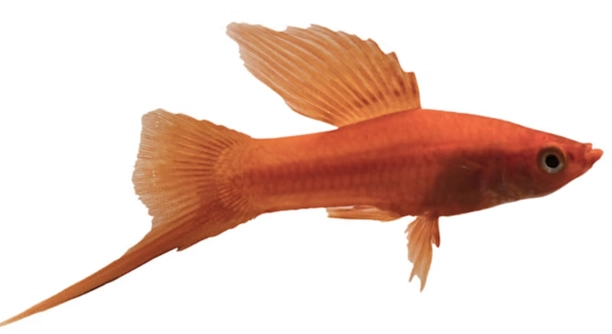
Swordtails are beautiful fish, but sometimes they don’t seem as happy as they should be. It’s important to know how to keep them healthy and comfortable. If your swordtails are acting off, there could be simple fixes you can try.
The most common issues affecting swordtails in a tank include water quality, tank mates, diet, and overall environment. Adjusting water temperature, cleaning the tank, or rearranging decorations can help create a better habitat for these fish.
Making small changes can improve the well-being of your swordtails. By understanding the factors affecting their happiness, you can create a healthier environment for them. Keep reading to learn easy fixes to get your swordtails back to their best!
1. Check the Water Quality
Water quality is one of the most important factors in ensuring your swordtails thrive. Poor water conditions can cause stress, disease, and poor growth. Swordtails prefer clean, stable water with a pH level of 7.0 to 8.0 and a temperature range of 74°F to 80°F. Test the water regularly for ammonia, nitrites, and nitrates. High levels of these chemicals can harm your fish. If your tank has high nitrate levels, perform a water change immediately. Additionally, make sure your filter is working properly, as it plays a key role in maintaining the water’s cleanliness. Regular maintenance will go a long way in keeping swordtails happy.
Make sure your swordtail’s tank is regularly cleaned, and use a reliable water testing kit to monitor the levels of ammonia, nitrites, and nitrates. Regular water changes are crucial for maintaining a healthy environment for your fish.
Keeping the water clean is easy with the right routine. By setting a schedule to clean the tank and check water parameters, you can prevent problems before they start. Clean water leads to happier fish, which can show in their vibrant colors and active behavior.
2. Adjust the Tank Temperature
Swordtails prefer a stable environment with a consistent water temperature. If your tank is too hot or too cold, it can cause your swordtails to feel stressed. Use a reliable aquarium heater and thermometer to keep the temperature between 74°F and 80°F. Make sure to check the temperature daily, especially during seasonal changes, as it can fluctuate.
If your heater isn’t keeping the temperature stable, consider upgrading to a better model. Swordtails may become sluggish or lose their appetite if the water temperature is not right. This can also increase their susceptibility to disease. Keep the temperature steady to keep them active and healthy.
A thermometer placed in the tank helps monitor the temperature without opening the tank every time. Maintaining a consistent temperature reduces the risk of stress and illness. Small temperature changes are normal, but anything extreme can harm your swordtails. If you notice signs of discomfort, adjusting the temperature could make a noticeable difference in their behavior.
3. Provide Proper Diet
Swordtails need a balanced diet to stay healthy. Offer them high-quality flakes or pellets, supplemented with frozen or live foods like brine shrimp or bloodworms. Be sure to feed them a variety of foods to ensure they get all the nutrients they need for optimal health.
Overfeeding can cause issues like water pollution and obesity, so feed only what they can consume in a few minutes. A mix of proteins and greens helps to boost their immune system and keep them active. Fresh vegetables, like spinach or zucchini, can also be added occasionally for variety. Swordtails are not picky eaters, but providing them with a varied diet helps prevent health problems.
Make sure to remove uneaten food from the tank after feeding. This keeps the water clean and prevents the build-up of waste, which can lead to poor water quality. Stick to a consistent feeding schedule to help maintain their health. Over time, you’ll notice that well-fed swordtails are more active and vibrant in color.
4. Evaluate Tank Mates
Swordtails are generally peaceful but can be territorial at times. Avoid pairing them with overly aggressive fish. Tank mates that are too large or too aggressive can stress your swordtails. Choose peaceful fish of similar size to maintain a harmonious environment.
When selecting tank mates, consider the personality of the swordtails. Male swordtails can be more aggressive toward each other, especially when competing for female attention. To reduce this aggression, try to keep more females than males in the tank. You can also use plants or decorations to create hiding spots and territories for your swordtails to feel safe. This will allow them to express their natural behavior without being constantly stressed.
Adding too many fish to the tank can also cause problems. Overcrowding leads to stress, increased waste, and a higher likelihood of disease. Keep your swordtails in a tank with enough space for everyone to swim comfortably. Properly choosing tank mates and maintaining the right environment can make all the difference in the overall health of your swordtails.
5. Rearrange Tank Decorations
Changing the layout of the tank can make a big difference. Swordtails enjoy having hiding spots and areas to swim around. By rearranging the decorations, you can reduce stress and provide a more interesting environment for them.
Try adding plants, rocks, and driftwood to give them new areas to explore. This helps mimic a more natural habitat and encourages active behavior. The change in scenery can also reduce territorial behavior among the fish, allowing them to feel more comfortable and less stressed. It’s an easy fix that can improve their well-being.
Occasionally altering the tank layout keeps swordtails engaged and helps prevent boredom. They enjoy exploring their surroundings, and making small changes will keep their environment fresh. This also makes the tank look more visually appealing, which is a bonus for you too!
6. Maintain Proper Tank Size
Swordtails need enough space to swim freely. A tank that is too small can lead to stress, poor health, and aggression. A 20-gallon tank is the minimum recommended size for a small group of swordtails.
When choosing a tank, ensure it’s large enough to accommodate the number of fish you have. A bigger tank will allow for better water circulation and more room for your swordtails to swim. If your swordtails feel cramped, they may become stressed or unhealthy. They need room to thrive, so avoid overcrowding.
A larger tank also helps maintain stable water parameters, which is crucial for your fish’s health. It’s always better to give them more space than to try and squeeze them into a smaller setup. With enough room, your swordtails will stay happier and healthier.
7. Monitor for Illness
Keeping an eye on your swordtails’ health is key to preventing issues early. If you notice changes in their behavior, such as loss of appetite, sluggishness, or abnormal swimming, it may indicate a problem.
Monitor your fish regularly for signs of illness, like white spots, lesions, or discolored fins. If you spot any signs of sickness, isolate the affected fish to prevent spreading it. Treatment will depend on the type of illness, so research it quickly and act fast.
FAQ
How do I know if my swordtail is stressed?
Swordtails can show signs of stress in several ways. If your swordtail is swimming erratically, hiding more than usual, or has a dull color, it may be stressed. Other signs include not eating, rapid gill movement, or frayed fins. Stress is often caused by poor water quality, inappropriate tank mates, or an overcrowded tank. To help your fish, test the water quality, provide hiding spots, and ensure the tank is large enough for their needs.
Can swordtails live with other fish?
Yes, swordtails are generally peaceful and can live with other fish. However, they do best with tank mates that are not overly aggressive. Avoid pairing swordtails with fin-nipping fish or very large species. Ideal companions include other livebearers like guppies or platies, or peaceful bottom dwellers like Corydoras catfish. Be mindful of the size and temperament of the other fish in the tank to prevent stress or aggression.
What is the best temperature for swordtails?
Swordtails thrive in water temperatures between 74°F and 80°F (23°C – 27°C). Keeping the temperature stable within this range is important for their health. Use a reliable aquarium heater to maintain consistent warmth, especially during colder months. Too hot or too cold water can cause stress and make your swordtails more susceptible to disease.
How often should I feed my swordtails?
Feed your swordtails once or twice a day. Offer only what they can consume in a few minutes. Overfeeding can cause water pollution and health issues like obesity. Swordtails are omnivores, so provide them with a mix of high-quality flakes, pellets, and occasional treats like frozen or live brine shrimp or bloodworms. Also, consider adding plant-based foods like blanched spinach or zucchini every few days.
What can I do if my swordtail is not eating?
If your swordtail isn’t eating, check the water quality first. Poor water conditions or sudden changes in water temperature can cause fish to lose their appetite. If everything seems fine with the tank, try offering different types of food, as they may be picky. Live or frozen foods may be more enticing than dry flakes. If the fish continues to refuse food, it may be a sign of illness, and you should isolate it to prevent the spread of any potential disease.
How do I prevent swordtail diseases?
To prevent diseases, keep your swordtail’s tank clean and maintain proper water parameters. Regular water changes, proper filtration, and avoiding overcrowding are essential. Quarantine new fish before adding them to the tank to prevent introducing diseases. Additionally, avoid sudden changes in water temperature or pH, as these can weaken the fish’s immune system. Keep an eye on the fish for signs of illness, and treat any issues promptly.
What is the lifespan of a swordtail?
Swordtails typically live for about 3 to 5 years, but with proper care, some can live even longer. The key to extending their lifespan is maintaining optimal water conditions, providing a varied and balanced diet, and monitoring their health regularly. Swordtails that are kept in well-maintained tanks and receive proper care can enjoy a long, healthy life.
Do swordtails need a filter?
Yes, swordtails benefit from a good filtration system. A filter helps maintain clean water by removing waste, uneaten food, and toxins like ammonia and nitrates. This is essential to keep your swordtails healthy. Be sure to choose a filter that is appropriate for the size of your tank and can handle the waste load of your fish. Regularly clean the filter to ensure it functions efficiently.
Can swordtails live in a tank without plants?
Swordtails can survive in a tank without plants, but adding plants to their environment has several benefits. Plants provide hiding spots, help with oxygen exchange, and improve water quality by absorbing excess nutrients. Swordtails also enjoy swimming through plants and resting in shaded areas. Live plants like Java fern or Anubias can be low-maintenance options that benefit both your fish and the tank’s ecosystem.
How do I breed swordtails?
Breeding swordtails is relatively easy. To breed them, you’ll need both males and females. Keep a ratio of about 1 male to 2 or 3 females to reduce male aggression. Provide a well-maintained tank with stable water conditions. Swordtails are livebearers, meaning the female will give birth to live young rather than laying eggs. After mating, females will carry fertilized eggs inside their bodies for about 4 weeks before giving birth. You can place the female in a breeding box to protect the fry from adult fish, or add plenty of plants where the babies can hide.
Final Thoughts
Taking care of swordtails doesn’t have to be complicated. By maintaining clean water, ensuring proper tank conditions, and feeding them a varied diet, you can create a happy and healthy environment for these vibrant fish. Regular tank maintenance, such as water changes and monitoring temperature, will prevent many common problems that can stress your swordtails. With a bit of attention to their needs, your swordtails will thrive, displaying their colorful tails and active behavior.
Swordtails are relatively easy to care for, but it’s important to observe their behavior closely. If they seem stressed or unhealthy, make sure to check water quality, temperature, and tank mates. Small adjustments, like rearranging decorations or adding plants, can make a significant difference in their well-being. Understanding their natural behaviors and needs will help you create a space where they feel comfortable and safe. Healthy swordtails are more likely to show vibrant colors and engage in normal activities, like exploring and swimming together.
If you’ve noticed your swordtails acting out of character, take time to assess their environment. These simple fixes can restore harmony in the tank. Sometimes, it’s just a matter of adjusting the tank’s temperature or giving them a bit more space. Swordtails are fairly adaptable, but they thrive best when their needs are met. By following these easy steps, you’ll not only improve their health but also enjoy watching them in a tank that reflects their true beauty.

Hello,
If you enjoy the content that we create, please consider saying a "Thank You!" by leaving a tip.
Every little bit helps us continue crafting quality advice that supports the health, happiness, and well-being of pets around the world, for pets of all shapes, sizes, and species.
We really appreciate the kindness and support that you show us!