
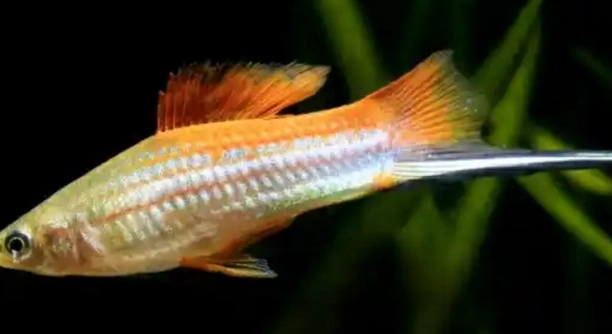
Swordtails are popular aquarium fish known for their vibrant colors and active nature. Their senses play a big role in their feeding habits, especially in their watery environment. Understanding how they locate food can help ensure proper care.
Swordtails can detect food in water using their sense of smell. Their olfactory system allows them to sense food particles and other scents, guiding them towards potential meals. This ability plays a crucial role in their feeding behavior.
Understanding how swordtails smell their food can improve your aquarium setup and feeding strategies. Exploring this can help you create a better environment for your fish’s well-being.
How Swordtails Use Their Sense of Smell to Find Food
Swordtails rely on their keen sense of smell to locate food in their environment. They use a specialized organ called the olfactory system, which helps them detect chemicals and food particles in the water. This system is highly sensitive, allowing swordtails to identify food even when it’s far away. The sense of smell is crucial for survival in their natural habitat, where they need to find food sources quickly and efficiently.
Their sense of smell is not just for food but also for recognizing mates or avoiding potential threats. Swordtails, like many other fish species, have a highly developed ability to process smells in the water, making it easier for them to adapt to their environment. Understanding this helps aquarists create better environments for these fish by ensuring they can rely on their natural instincts to thrive.
In an aquarium setting, offering food that releases strong scents can encourage swordtails to forage and eat properly. By doing so, fish owners can ensure their swordtails are getting enough nutrition, while also keeping their tank environment stimulating and enriching.
How Swordtails Detect Smells in Water
Swordtails detect smells through sensory cells in their noses, called olfactory receptors. These cells are highly specialized to pick up chemical signals in the water, helping the fish navigate their surroundings and find food.
When swordtails detect a food scent, their response is quick. They swim toward the scent’s source, helping them find food in a large or densely planted tank. Their strong sense of smell helps them distinguish between different food sources, ensuring they select the right one. A healthy environment with clear water and various food options can stimulate their natural instincts, encouraging proper feeding behavior.
The Role of Olfactory Receptors in Feeding
Swordtails use olfactory receptors to detect food in the water. These specialized cells in their noses pick up chemical signals, which guide them toward food. The receptors are finely tuned to recognize certain compounds released by food particles, allowing swordtails to quickly identify potential meals.
The olfactory receptors of swordtails help them not only find food but also understand their environment. In a tank, these receptors help swordtails distinguish between various food types and determine their preference. The ability to detect food from a distance makes it easier for swordtails to locate meals and ensure proper nutrition. The efficiency of their smell is crucial, especially when food is scattered or when they are in a larger tank where finding food can be more challenging. Providing food that releases strong scents encourages swordtails to feed, ensuring they remain healthy.
A well-maintained aquarium will enhance this sense, allowing the fish to thrive. Keeping the water clean and offering a variety of food types ensures swordtails can fully utilize their olfactory abilities.
How Water Temperature Affects Smell Detection
Water temperature can influence the efficiency of swordtails’ smell detection. Warmer water typically increases the movement of scent molecules, making it easier for swordtails to detect food. However, too much heat can negatively impact their overall health, making it important to find the right balance.
Temperature plays a major role in fish behavior. In cooler water, swordtails may have a slower response time to scents, and they may be less active in foraging for food. On the other hand, warmer water increases their metabolic rate and activity, improving their ability to detect food quickly. However, if the water temperature becomes too high, it can lead to stress or health issues, which affects their feeding habits. Maintaining a steady, moderate water temperature helps swordtails maintain their normal foraging behavior and optimal health.
Fish owners should keep a consistent temperature to avoid fluctuations that could hinder their swordtails’ ability to find food. Using a water heater with a thermostat can help regulate the water temperature, providing a stable environment for the fish to thrive in.
The Impact of Tank Environment on Feeding
A clean tank environment is essential for swordtails to use their sense of smell effectively. Debris or excess waste in the water can interfere with scent detection, making it harder for the fish to locate food. Keeping the water clear improves their foraging success.
Water clarity can affect how well swordtails smell their food. When the water is murky or cluttered with particles, scent molecules get dispersed and lose their concentration, making it harder for swordtails to track food. Regular water changes and proper filtration are necessary to maintain a clear and healthy environment. A well-maintained tank also helps swordtails feel more secure, which can encourage them to forage actively.
The Role of Scent in Swordtail Behavior
Swordtails also use their sense of smell to interact with other fish. Smell plays a key role in social behavior, helping swordtails identify potential mates and establish territories. Scent signals guide their interactions in a group.
Their strong sense of smell influences both their feeding habits and their social dynamics. For example, when swordtails detect the scent of food, they may become more active and competitive with other fish. This scent-driven behavior can lead to better access to food or more frequent foraging activities. In an aquarium, understanding this behavior can help create an environment that supports both their social needs and feeding requirements.
Swordtail Smell Sensitivity
Swordtails are particularly sensitive to food-related scents. Their olfactory system allows them to detect even faint food particles in the water. This sensitivity helps them find food quickly and ensures they don’t miss out on meals.
FAQ
Can swordtails smell food in the water?
Yes, swordtails can smell food in the water. Their olfactory system, which is highly developed, allows them to detect food particles and other chemicals in their environment. This ability helps them locate food sources, even when they are far away, making feeding more efficient in both wild and aquarium settings.
How do swordtails use their sense of smell?
Swordtails use their sense of smell to detect food, mates, and other important environmental cues. When they encounter a scent in the water, they swim toward it to investigate. This behavior is critical for their survival and helps them find food sources easily. The sense of smell is so developed that swordtails can detect food from a distance, especially when the water is clean and free from obstructions.
Does water temperature affect swordtail’s ability to smell?
Yes, water temperature can influence how well swordtails detect smells. In warmer water, the molecules in the water move faster, which helps swordtails detect food and other scents more effectively. However, if the water becomes too hot, it can stress the fish and impair their ability to smell and feed properly. Keeping the water temperature steady in a range that suits swordtails (around 72-82°F) is ideal for their overall health and scent detection.
What happens if the water in the tank is dirty?
Dirty water can make it more difficult for swordtails to smell their food. The presence of waste, debris, or uneaten food particles can disperse the scent molecules, reducing their ability to locate food. To avoid this, regular water changes and proper filtration are essential. A clean tank ensures that swordtails can detect food efficiently and maintain healthy feeding habits.
Do swordtails have a stronger sense of smell than other fish?
Swordtails have a relatively strong sense of smell compared to many other fish species. Their olfactory system is adapted to help them locate food, navigate their environment, and interact with other swordtails. While other fish may also rely heavily on their sense of smell, swordtails are particularly sensitive to food-related scents, giving them an advantage in locating meals.
Can swordtails detect the scent of predators?
Yes, swordtails can detect the scent of predators. Like many fish, they use their sense of smell to detect potential threats in their environment. This helps them react quickly by hiding or swimming away from danger. Swordtails are naturally cautious and will use their smell to avoid areas where they sense a predator is present.
How do swordtails find food in a large tank?
In a large tank, swordtails rely on their sense of smell to help them find food. Since food particles can disperse throughout the tank, swordtails will follow the scent trail to locate meals. Offering food that releases a strong scent or floating food near the surface can help swordtails find their food more easily. Regular feeding schedules also ensure swordtails can anticipate meal times and find food quickly.
Is it necessary to add food with strong scents to a swordtail tank?
While it isn’t strictly necessary, offering food with a strong scent can help swordtails locate and enjoy their meals. Swordtails are more likely to forage when they can easily detect the scent of food in the water. High-quality fish food that releases scent can stimulate their natural feeding behaviors and ensure they receive proper nutrition.
Can swordtails recognize specific food types by smell?
Swordtails can distinguish between different food types by smell. Their olfactory receptors allow them to detect different scents released by various food sources, helping them choose the food they prefer. For instance, they may prefer certain types of flakes or pellets over others, depending on the scent. By offering a variety of foods, you can see which ones swordtails are more attracted to, based on their ability to smell them.
How often should swordtails be fed to ensure they use their sense of smell effectively?
Swordtails should be fed once or twice a day, depending on their size and activity level. Offering meals at consistent times allows them to rely on their sense of smell to anticipate feeding times. It’s important not to overfeed, as this can lead to uneaten food and poor water quality. Feed enough to ensure they get the nutrients they need without overloading the tank with extra food particles that could interfere with their ability to smell.
Can swordtails feed without relying on their sense of smell?
Swordtails may be able to feed without relying heavily on their sense of smell, but this is not ideal. They primarily depend on their smell to locate food, so when their olfactory system is impaired or overwhelmed, they may struggle to find food. Regular feeding and offering food with a strong scent ensures swordtails continue to use their natural abilities to locate meals efficiently. A clean tank also helps maintain optimal conditions for them to smell and find their food.
How can I make my tank environment better for swordtails’ sense of smell?
To improve the tank environment for swordtails, maintain clean water and avoid excess debris. A high-quality filter can help keep the water clear, which is essential for swordtails to detect food. Additionally, using live plants in the tank can create a more natural environment, allowing swordtails to thrive and use their sense of smell more effectively. Regular water changes and ensuring a balanced ecosystem will support their natural behaviors, including feeding.
Final Thoughts
Swordtails rely on their sense of smell to find food, interact with other fish, and navigate their environment. This ability is essential for their survival, especially in their natural habitats where they need to detect food and avoid predators. In an aquarium setting, maintaining clean water is crucial for swordtails to effectively use their sense of smell. Debris, waste, and murky water can interfere with scent molecules, making it harder for swordtails to find their food. A clean tank with regular water changes ensures that swordtails can detect food and thrive in their environment.
Understanding the role of scent in swordtails’ behavior helps aquarium owners create better environments for these fish. Swordtails are not just using their sense of smell to find food; they also rely on it to socialize, identify mates, and avoid danger. Creating a tank that mimics their natural environment will support their natural behaviors. This includes providing a clean and spacious environment, using plants for hiding places, and offering food that is easy for them to detect. Swordtails are curious and active fish, and the more natural the setup, the more they will feel at ease.
Finally, swordtails are sensitive creatures, and their sense of smell is one of the most important ways they interact with their world. Whether you’re keeping them as part of a community tank or as individuals, ensuring they can use their sense of smell to its full potential will help them stay healthy and active. A well-maintained tank not only benefits their ability to smell food but also promotes their overall well-being. With the right environment, swordtails will thrive and continue to display the natural behaviors that make them unique.

Hello,
If you enjoy the content that we create, please consider saying a "Thank You!" by leaving a tip.
Every little bit helps us continue crafting quality advice that supports the health, happiness, and well-being of pets around the world, for pets of all shapes, sizes, and species.
We really appreciate the kindness and support that you show us!