
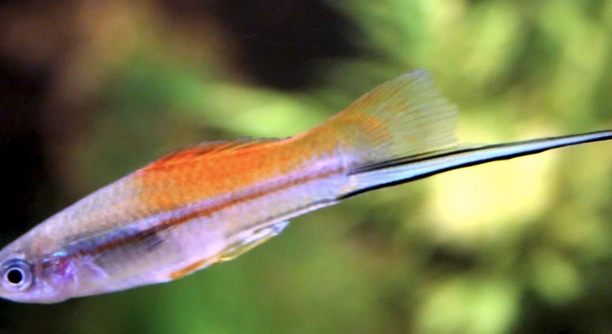
Sometimes, you may notice your swordtail focusing its attention on just one fish in the tank, creating a bit of tension. Understanding the cause behind this behavior can help you manage your aquarium environment better and keep your fish happy.
The most common reason why a swordtail chases only one fish is territorial behavior. Male swordtails often display this tendency when they feel the need to assert dominance or protect a specific area within the tank. This behavior is instinctive.
Understanding why your swordtail is acting this way can help you create a balanced environment for all your fish. Knowing the causes allows you to address any concerns that may arise.
Why Swordtails May Chase Only One Fish
Swordtails can be very territorial, especially when they are in a tank with other males. Male swordtails tend to chase after other fish to establish their dominance. This is a natural part of their behavior. Swordtails often focus on one fish to show their strength, and the target usually becomes the object of their aggression. However, this can sometimes create a stressful environment for the other fish, leading to possible injuries or stress-related illnesses. It’s important to recognize this behavior early to address any issues that may arise.
To reduce the chasing behavior, you can try introducing more hiding spots and plants into the tank. Adding these elements creates a more enriched environment for your swordtail, allowing it to have space to claim without feeling the need to chase others.
Another option to manage the aggression is ensuring that there are enough females in the tank. Male swordtails may become overly competitive when there are fewer females, leading to more chasing. Having multiple females can help balance this dynamic and reduce stress on the other fish.
How to Reduce Aggression in Your Swordtail
If you’re noticing this behavior regularly, consider keeping your swordtail in a well-balanced tank setup. A good ratio of males to females is essential to prevent aggression. Additionally, regular water changes help maintain a healthy environment for your swordtail to thrive.
Sometimes, introducing new tankmates can reduce territorial behavior by shifting focus from one individual fish. However, ensure that the new fish are compatible and won’t increase the aggression in your tank.
Increasing Tank Size
A larger tank gives your swordtail more space to move around, reducing stress and territorial behavior. Fish need room to establish their own areas, especially if there are multiple males in the tank. This additional space helps minimize the chances of one fish being singled out for chasing.
Swordtails thrive in tanks that are at least 30 gallons. This size allows them to have enough room to swim freely, which can lower the likelihood of them focusing on one fish. The more space they have, the less likely they are to feel threatened by other fish.
Adding extra tank space also makes it easier to add more plants and hiding spots. These elements provide refuge for the fish, allowing them to escape from potential aggression. By incorporating more hiding spots, you give fish the opportunity to break away from confrontations, making the tank a more peaceful environment overall.
Ensuring Proper Tank Conditions
Maintaining good water quality is crucial for swordtail health. Poor water conditions can make them more prone to stress, which may increase territorial behavior. Consistent water temperature, pH levels, and filtration can all influence how your swordtail interacts with others.
Swordtails prefer a temperature range between 72°F and 82°F, with a slightly alkaline pH of 7.0 to 8.0. Keeping these conditions steady helps ensure your swordtail is comfortable and less likely to act aggressively. Regular water changes and a good filtration system are vital for removing waste and toxins that can cause stress in fish.
Adding More Female Swordtails
If you’re keeping multiple male swordtails, adding more females can help reduce aggression. Males often become more competitive when there are fewer females. By balancing the ratio, males may be less focused on chasing one fish. This simple change can create a calmer environment.
A good ratio of males to females is about one male for every two females. This helps spread the males’ attention and reduces the constant chasing of one fish. Adding females also ensures that the males have enough opportunities for mating, which lowers their competitive behavior.
Introducing Tankmates
Choosing the right tankmates for your swordtails is key to maintaining harmony. Swordtails can be aggressive towards other fish, especially those with long fins or similar body shapes. When introducing new fish, make sure they are peaceful and won’t provoke your swordtail.
It’s best to choose species that are not as flashy or aggressive as swordtails. Peaceful fish such as tetras, corydoras catfish, or other small community species are good options. These fish will keep a low profile and won’t attract attention from your swordtail, helping to minimize aggression.
Managing Male Behavior
Male swordtails are often more territorial and aggressive compared to females. This behavior can be managed by reducing the number of males in the tank or adding plenty of hiding spaces. A balanced tank setup is crucial for keeping male aggression in check.
FAQ
Why is my swordtail chasing only one fish?
Swordtails, especially males, tend to chase other fish to assert dominance. When one fish is repeatedly targeted, it could be due to territorial behavior or an attempt to establish hierarchy in the tank. This is common in male swordtails, which are naturally more territorial. The fish being chased may appear weaker, or it could be a direct challenge from the dominant male. This behavior is usually harmless if the tank is large enough, but if it causes stress to the other fish, adjustments should be made.
Can I stop the chasing behavior without separating the fish?
Yes, you can reduce chasing without separating the fish by creating a more balanced environment. Adding more females to the tank or increasing the number of hiding spots can help diffuse aggression. A larger tank gives more space for each fish to claim its territory, reducing the need for confrontation. Introducing plants and decorations can help by providing refuge where chased fish can escape.
Do swordtails chase other fish species?
Swordtails may chase fish species that resemble their own kind or appear weak. However, they are generally less aggressive towards fish of different species unless they are seen as a threat. Swordtails may also show aggression toward fish with long fins, as they can mistake them for rivals. Peaceful, non-competitive fish make better tankmates for swordtails, reducing the likelihood of aggression.
How can I tell if my swordtail is stressed?
Stressed swordtails often display signs like faded colors, erratic swimming, or hiding more than usual. They might also stop eating or become more aggressive. If a swordtail is constantly chasing other fish, it could be a sign of stress or territorial frustration. A healthy swordtail should swim freely, show vibrant colors, and engage with other fish without excessive aggression.
Do swordtails get along with other swordtails?
Swordtails can get along with other swordtails if the tank is large enough and if the male-to-female ratio is balanced. Male swordtails are more likely to chase each other, especially if there is a shortage of females. To reduce aggression, aim for a 1:2 male-to-female ratio and provide enough space for each fish to feel secure.
Should I be worried if the swordtail isn’t eating?
If your swordtail is not eating, it could be stressed or sick. Stress from chasing or being chased can impact its appetite. Also, poor water quality can cause loss of appetite. Check your water parameters, provide hiding spots, and ensure the tank is large enough to minimize aggression. If the behavior persists, consult an aquarium expert to rule out illness.
How many swordtails can I keep in a tank?
Swordtails need enough space to swim and establish their own territories. A 30-gallon tank is a good starting point for a small group. If you plan to keep more than a few swordtails, increase the tank size accordingly. Generally, aim for one male per two to three females to reduce territorial aggression. Ensure the tank has plenty of plants and hiding spaces to keep the fish comfortable.
What other fish can I keep with swordtails?
Swordtails can coexist with peaceful community fish. Good tankmates include tetras, mollies, corydoras catfish, and platies. Avoid aggressive species or fish with long, flowing fins, as swordtails may mistake them for rivals. Make sure all tankmates have similar water requirements to ensure the best environment for everyone.
Why is my swordtail chasing my other swordtail?
This is typically due to territorial behavior, especially if there are multiple males in the tank. Male swordtails are naturally competitive and may chase each other to establish dominance. If there aren’t enough females or hiding places, this behavior becomes more pronounced. To alleviate this, consider increasing the number of females and adding more plants for cover.
Can swordtails live with guppies?
Swordtails and guppies are often compatible, as they share similar water conditions and temperaments. However, male swordtails might chase guppies, especially if they are colorful and resemble rivals. Guppies are smaller and may also be targeted by swordtails if the tank doesn’t have enough space or hiding spots. The key to a peaceful tank is proper space and a balanced male-to-female ratio.
How do I know if my swordtail is a male or female?
Male swordtails are typically smaller and have a long, pointed tail that resembles a sword, hence the name. Females are larger and rounder with a more subdued tail shape. Additionally, males may display more colorful patterns and are usually more active and aggressive compared to females. The easiest way to tell them apart is by looking at the tail fin.
Final Thoughts
Swordtail behavior, particularly when one fish is singled out and chased, is a common issue in aquariums. Male swordtails, in particular, are known for their territorial nature. They can sometimes focus their attention on a specific fish, which may appear weaker or more submissive. This behavior is often linked to a need to assert dominance within the tank. While this is a natural instinct, it can cause stress for the fish involved, especially if it becomes excessive. Observing these behaviors is crucial for maintaining a peaceful environment for all the fish in the tank.
To reduce the chances of this behavior becoming a problem, there are a few key changes you can make to your tank setup. Increasing the tank size is one of the most effective methods. With more space, swordtails have more room to swim freely and establish their territories. Adding more females to the tank can also help, as it spreads the males’ attention and reduces their competitiveness. In addition, creating more hiding spots with plants or decorations can provide refuge for the fish that might be targeted. These adjustments help reduce stress and allow your swordtails to live in a more balanced and peaceful environment.
Ultimately, the key to a harmonious tank is understanding your fish’s natural behaviors and making small adjustments to their environment. Swordtails can thrive in tanks where their needs are met, including proper space, water quality, and tankmate choices. If you notice excessive chasing or stress, take a step back to assess the situation and consider whether changes need to be made. With the right setup, you can ensure that all your fish are happy and healthy.

Hello,
If you enjoy the content that we create, please consider saying a "Thank You!" by leaving a tip.
Every little bit helps us continue crafting quality advice that supports the health, happiness, and well-being of pets around the world, for pets of all shapes, sizes, and species.
We really appreciate the kindness and support that you show us!