
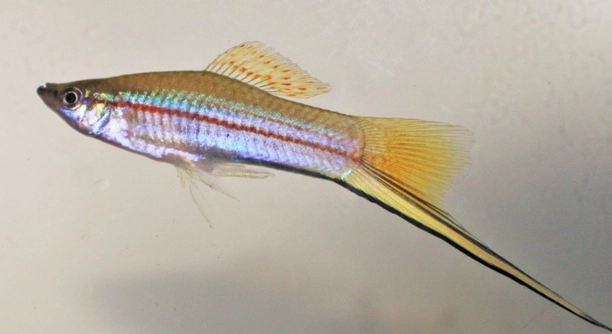
Swordtails are popular aquarium fish, known for their vibrant colors and peaceful nature. Many fish keepers may find themselves wondering whether moving these fish can cause them stress. Proper handling is important to ensure their well-being.
Swordtails can be moved without stress if done carefully. The key is to minimize sudden changes and ensure water conditions remain stable. Gradual acclimatization and appropriate tank conditions during transport can help swordtails adjust with minimal stress.
By understanding the best practices for moving swordtails, you can make the process smooth and stress-free for both you and your fish.
Understanding Swordtail Stress During Moves
When you move swordtails, they may experience stress from changes in their environment. Stress can result from temperature fluctuations, water quality changes, or unfamiliar surroundings. It’s essential to keep their water parameters similar to what they’re used to, including pH levels and temperature. Swordtails are sensitive to sudden changes, and if these factors aren’t managed well, it could lead to health problems. Keeping your tank water stable and moving the fish gently are crucial for reducing stress.
Moving swordtails can be less stressful when you follow a few simple steps. Make sure the water in the transport container is similar to the tank water, and avoid moving them during periods of high activity in your home. This helps maintain a calm environment.
One effective method for reducing stress is acclimatization. Slowly adjusting your swordtails to the new water conditions can prevent them from becoming overwhelmed. You can do this by slowly adding small amounts of water from the new tank into their container. This gradual process allows your fish to adapt and reduces the risk of shock. Take your time to make sure they are comfortable before releasing them into their new home.
Preparing for the Move
Preparation is key when moving swordtails. It’s best to plan everything ahead of time to avoid rushing.
Before the move, ensure you have all the necessary equipment. A clean container, a net for catching the fish, and a thermometer for checking the water temperature can make the process smoother. Make sure your new tank is ready to receive the fish with stable water conditions, especially temperature and pH. When moving swordtails, it’s best to avoid overcrowding the container, as this can lead to stress. A calm, spacious environment will help your fish feel more secure during the transition.
The Role of Water Temperature in Reducing Stress
Temperature plays a big role in swordtail stress. Sudden changes in water temperature can shock them and lead to health issues. It’s important to maintain a stable temperature that mirrors their usual tank conditions during the move.
Before moving your swordtails, check the temperature of both the transport water and the new tank. It should be as close as possible to the temperature they’re used to. If there’s a big difference, you can float the transport container in the new tank for a while to help the temperatures gradually adjust.
Avoid rushing the move if the water temperature isn’t right. Swordtails will feel the stress more if they’re exposed to extreme changes. Keep an eye on the thermometer to ensure they aren’t subjected to an uncomfortable shift in temperature, as this could lead to shock. A steady, moderate temperature will help them settle into the new environment with less strain.
Transporting Swordtails Safely
The transport container you use is just as important as the water temperature. Choose a container that’s large enough for your swordtails to move around but not so big that the water becomes difficult to control. A clean plastic bag or bucket works well.
Be sure to cover the container to reduce external stressors like noise or bright light. Avoid placing the container in direct sunlight or in an area with sudden movements. This keeps the swordtails calm and reduces the likelihood of them becoming anxious or disoriented. Also, keep the container secure during the transport process, ensuring the water remains stable.
Moving swordtails in a comfortable and well-prepared container minimizes the chances of causing undue stress. Keep things simple, and aim for a secure, peaceful environment. This small step can make a big difference in their overall well-being during the move.
Acclimating Swordtails to Their New Tank
Acclimating your swordtails to their new tank is essential for minimizing stress. Sudden changes can overwhelm them, so it’s important to introduce them to the new environment gradually. This helps prevent shock and ensures their comfort.
Begin by floating the bag or container with the swordtails in the new tank for around 15 to 20 minutes. This allows the water temperatures to equalize. Afterward, slowly add small amounts of tank water to the container over the next 30 minutes. This gradual process helps swordtails adjust without being overwhelmed. Once they seem comfortable, you can safely release them into the new tank.
Avoiding Overcrowding in the Transport Container
Overcrowding can stress swordtails, so it’s important to give each fish enough space in the transport container. The less confined they feel, the less stressed they will be.
A spacious container will help them move freely and avoid unnecessary anxiety. If you’re moving several swordtails at once, consider using multiple containers to ensure each fish has enough room. This way, they won’t be packed too tightly together, which can contribute to stress. By giving them space, you’ll make the move more comfortable for all the fish involved.
Keeping the New Tank Stable
When introducing swordtails to a new tank, stability is key. Make sure the water parameters are consistent and checked before moving the fish. This minimizes stress and helps them adjust faster.
It’s important to test the water for temperature, pH, and salinity before releasing your swordtails. Make sure the filtration system is working properly. Stability in the new tank will ensure the swordtails have an easier time adjusting without additional stress.
FAQ
How long should I wait before moving my swordtails to a new tank?
You can move your swordtails as soon as their new tank is properly set up and the water conditions are stable. However, if they’ve just been introduced to your current tank, it’s a good idea to wait a few weeks for them to adjust before making any moves. This allows them time to acclimate and reduce stress during the transition.
Can swordtails be stressed from moving even if the water conditions are stable?
Yes, even when water conditions are stable, swordtails can experience stress from the physical handling and the change in environment. The key is minimizing sudden movements and changes, both in terms of water conditions and their surroundings. It’s always best to move them gently and slowly, avoiding any abrupt shifts that could cause unnecessary anxiety.
Is it better to move swordtails at night?
Yes, moving swordtails at night can be less stressful. Swordtails are less active during the night, and the overall environment is quieter, which can help them feel more relaxed. Nighttime moves also avoid the heat of the day, making the transport container cooler and more comfortable for the fish.
How can I tell if my swordtail is stressed?
Signs of stress in swordtails can include rapid gill movement, erratic swimming patterns, hiding, or color fading. If they seem more sluggish than usual or have trouble breathing, these could also be signs of stress. Keeping the water conditions stable and ensuring a smooth transition to the new tank will help reduce these symptoms.
Can I move my swordtail without a container?
It’s never a good idea to move swordtails without a container. Without proper containment, they could be exposed to sudden changes in temperature or water quality. Using a container ensures that the water conditions stay stable, and it prevents the fish from being harmed during the move.
How do I make the transition easier for my swordtails?
To make the transition easier, float the container in the new tank to equalize temperatures before releasing the fish. Slowly add small amounts of tank water to the transport container to help them adjust gradually to the new environment. Be sure to keep the lighting dim and the surroundings quiet to reduce stress.
Is it safe to move swordtails with other fish?
It is possible to move swordtails with other fish, but it depends on the species and the size of the transport container. Ensure there is enough space for all the fish to move freely and that the water parameters remain stable. Avoid overcrowding the container, as this can increase stress for all the fish involved.
How long does it take for swordtails to adjust to a new tank?
Swordtails usually take anywhere from a few hours to a couple of days to adjust to their new environment. It depends on factors like water quality, tank temperature, and how smoothly the transition process goes. With proper acclimatization, they should begin to feel at home fairly quickly.
Can I use the same water from the old tank to move my swordtails?
Yes, using water from the old tank can help maintain familiar conditions for your swordtails. If you’re moving them to a new tank, use the same water as much as possible. This will reduce stress by keeping their environment similar, including the temperature and chemical balance.
How often should I check on my swordtails after moving them?
It’s important to check on your swordtails regularly after moving them to their new tank. Look for signs of stress or discomfort, such as rapid breathing or hiding. Check the water conditions too, making sure the temperature, pH, and filtration are all stable. Daily checks for the first few days are a good idea.
Will swordtails eat after being moved?
Swordtails may be hesitant to eat right after being moved, especially if they’re still adjusting to their new tank. It’s normal for them to be a bit stressed and not interested in food right away. Once they’ve had time to settle and their stress levels decrease, they should start eating again.
Can I use a net to catch swordtails for moving?
Using a net is fine as long as you are gentle. Swordtails can be stressed by rough handling, so make sure to use a soft, fine-mesh net to prevent injury. Move slowly and gently to avoid startling them, and be sure to support them properly during the transfer.
What should I do if my swordtail seems injured after the move?
If your swordtail appears injured, such as having torn fins or showing signs of injury, it’s important to assess the tank conditions first. Check the water quality to ensure it’s suitable for healing. You might want to isolate the injured fish in a quarantine tank for a while, allowing it to recover in a calmer, stress-free environment. Keep an eye on it for any signs of infection, and if needed, treat with appropriate medication.
Should I add plants or decorations to the new tank before moving swordtails?
Yes, adding plants and decorations can help create a comfortable environment for swordtails in their new tank. These provide hiding spots and reduce stress by mimicking their natural habitat. Just make sure that the decorations are safe, with no sharp edges that could harm the fish.
Moving swordtails can be a smooth process if done with care and attention. These fish are relatively hardy, but they still require proper handling to ensure minimal stress. The key to a successful move lies in keeping the water conditions stable, choosing the right container, and allowing enough time for acclimatization. By following these simple steps, swordtails can adjust to their new environment without significant issues. The more you plan ahead and prepare the new tank properly, the easier the transition will be for the fish.
It’s important to remember that swordtails, like all fish, can experience stress when faced with changes. Stress can have long-term effects on their health, which is why gradual changes are always preferred. Whether you’re moving them to a new tank or transporting them to a different location, the goal should always be to minimize sudden shifts in temperature, water quality, or lighting. These small adjustments make a big difference in reducing their stress levels and making the move more comfortable. If you plan and follow the proper procedures, swordtails can settle into their new space without trouble.
After the move, keep monitoring the fish for any signs of discomfort or health issues. Regularly check their water quality, temperature, and overall behavior for a few days to ensure everything is going well. If you notice anything unusual, take immediate action to correct the issue. Moving swordtails doesn’t have to be a stressful experience if you take the right precautions. A bit of patience and careful planning will ensure your swordtails thrive in their new environment.

Hello,
If you enjoy the content that we create, please consider saying a "Thank You!" by leaving a tip.
Every little bit helps us continue crafting quality advice that supports the health, happiness, and well-being of pets around the world, for pets of all shapes, sizes, and species.
We really appreciate the kindness and support that you show us!