
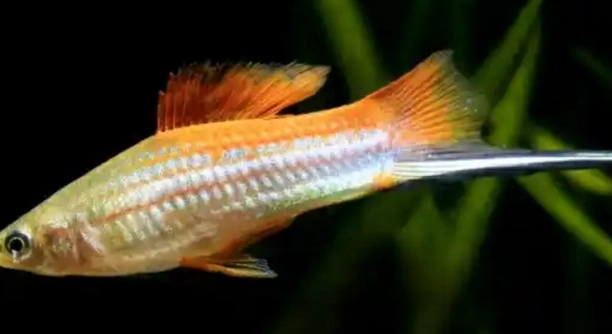
Swordtails are popular aquarium fish known for their bright colors and active nature. Their feeding habits may evolve with consistent routines, leading to better overall health and more efficient feeding. Understanding this process can improve their care.
Swordtails can indeed learn a feeding routine. By associating specific times and activities with feeding, they can develop expectations and become more active when it’s time to eat. This process enhances their feeding behavior and contributes to their well-being.
Understanding how routine can influence their behavior will help you improve your swordtail’s feeding habits and make mealtimes more efficient.
Swordtail Feeding Habits and Routine Development
Swordtails, like many animals, are creatures of habit. When you consistently feed them at the same time each day, they begin to anticipate their meals. This anticipation can help make feeding times more efficient and reduce stress. Swordtails are also more likely to actively swim toward the feeding area, a behavior driven by routine.
Their ability to learn feeding times depends on their environment. Swordtails often associate specific cues, such as the sight of their owner or the sound of a food container, with feeding. This conditioning process makes them more engaged during mealtime.
Routine feeding is not just about the fish’s behavior. It also plays a role in their overall health. With a predictable schedule, swordtails are less likely to overeat or underfeed. Proper routine helps regulate their metabolism and encourages consistent eating habits. A regular feeding schedule ensures they receive the right nutrition at the right time.
Factors to Consider When Establishing a Routine
A few considerations can help improve the success of your swordtail’s feeding routine.
The timing of their meals should align with the natural light cycle, as swordtails are more active during daylight. You may also want to adjust the frequency of meals based on the fish’s age and size. Adult swordtails may eat twice a day, while younger fish may need more frequent feedings.
Once you establish a feeding time, stick to it. Swordtails thrive on consistency, and changing the feeding schedule can lead to confusion or stress. A well-timed feeding routine will encourage the fish to become more alert and responsive to the signals associated with mealtime. This way, you can provide a better feeding experience for both you and your swordtails.
Benefits of a Consistent Feeding Schedule
A regular feeding schedule helps swordtails feel secure in their environment. Knowing when to expect food reduces stress and encourages healthier feeding behaviors. Over time, swordtails will actively swim to their feeding area when they recognize the routine.
Consistency in feeding can also reduce waste. Swordtails are more likely to eat the food provided when they’re accustomed to a set schedule. This prevents uneaten food from lingering in the tank and potentially polluting the water. Moreover, a routine feeding schedule encourages swordtails to be more engaged, leading to better overall health.
Finally, feeding at specific times can help regulate your swordtails’ metabolism. When they know when to expect food, they’ll start eating at the right pace, ensuring that their digestive system functions efficiently. Consistent feeding times are essential for maintaining their long-term well-being and making your care routine easier to manage.
How to Set Up a Feeding Routine
Setting up a feeding routine is simple but requires patience. Start by feeding your swordtails at the same time every day. This consistency helps them develop the connection between time and food availability. Over time, they’ll begin to anticipate mealtime.
You can also introduce specific cues to help them recognize feeding time. For example, gently tapping the glass or making a specific sound before feeding can trigger their anticipation. These cues will reinforce the idea that it’s time to eat, helping them get more involved in the process. Swordtails are quick learners, so the right cues will have an impact quickly.
When establishing a feeding routine, it’s important to consider the size of your swordtails. Larger fish may eat more, while smaller swordtails may need smaller portions but more frequent feedings. Tailoring the routine to their individual needs ensures they stay healthy while adjusting to a set schedule.
Swordtail Feeding Behavior and Cues
Swordtails can learn to respond to specific cues related to feeding time. These cues may include sounds, like tapping the tank, or visual signals, such as the movement of your hand. These triggers help them recognize mealtime, making the process smoother and more efficient.
By associating these cues with feeding, swordtails become more engaged. They may swim actively toward the source of the sound or movement, anticipating food. This makes it easier to manage mealtime and ensures the fish are ready when you approach. They can learn to expect food, improving their feeding behavior.
Feeding Frequency for Swordtails
The frequency of feeding will vary depending on the size and age of the swordtail. Adult swordtails generally require two feedings a day, while younger fish may need more frequent meals. Adjusting their diet to their growth stage ensures proper nutrition.
Feeding swordtails regularly helps prevent overeating or underfeeding, keeping them at a healthy weight. A consistent schedule makes it easier to monitor their eating habits and adjust the routine accordingly. This helps keep your fish in good health while preventing any waste from accumulating in the tank.
Importance of Proper Portions
The amount of food given is just as important as the feeding routine itself. Overfeeding swordtails can lead to excess food sinking to the bottom, causing water quality issues. Proper portions help avoid this problem.
FAQ
Can swordtails eat too much?
Yes, swordtails can overeat if they are fed too much food or too often. Overfeeding can lead to uneaten food accumulating in the tank, which may affect water quality. It can also lead to obesity in the fish. To prevent this, it’s important to monitor the amount of food you provide and feed them only what they can consume in a few minutes.
How often should I feed my swordtails?
Adult swordtails typically need two feedings per day, while younger swordtails may need more frequent meals. It’s best to feed them small portions, two to three times a day. This ensures they receive the necessary nutrients without overfeeding. Regular feeding helps them maintain a healthy weight and stay active.
What is the best type of food for swordtails?
Swordtails are omnivores and enjoy a balanced diet that includes both plant and animal-based foods. A good quality pellet or flake food formulated for livebearers is ideal. You can also supplement their diet with live or frozen foods like brine shrimp, daphnia, and bloodworms. Additionally, offering vegetables like spinach or zucchini can be beneficial.
How do I know if I’m feeding my swordtails enough?
If your swordtails are active and healthy, it’s a good sign that they’re receiving the right amount of food. Overfeeding can result in leftover food, leading to water pollution. If you notice your swordtails aren’t gaining weight or seem lethargic, you may need to adjust their feeding routine.
Should I feed my swordtails at the same time every day?
Yes, establishing a consistent feeding time helps swordtails learn a routine. They will begin to anticipate feeding and become more active at the designated time. A predictable feeding schedule is beneficial for their mental and physical health. Aim for the same time every day, adjusting only if necessary due to lighting or tank conditions.
Can I feed my swordtails different types of food?
Yes, variety is essential for a healthy diet. While a staple pellet or flake food should form the foundation of their meals, swordtails also benefit from occasional treats like live or frozen foods. Rotating foods ensures they get a range of nutrients to stay in good health.
How do I prevent overfeeding swordtails?
To prevent overfeeding, measure the amount of food you give them. A good rule of thumb is to offer only as much food as they can consume within two to three minutes. If there’s leftover food, you’re feeding too much. Also, avoid feeding swordtails when they’re not hungry, as it may encourage excess consumption.
Can swordtails eat plants?
Yes, swordtails can eat plants. They are not strict herbivores but will nibble on soft plants in their tank. Some swordtails even enjoy leafy greens like spinach or algae wafers. However, if your swordtails are eating too many plants, you may need to supplement their diet with more protein-based foods.
How can I tell if my swordtail is healthy?
Healthy swordtails are active, swim freely, and display vibrant colors. Their bodies should be smooth without any noticeable deformities or bloating. They should be social and often interact with other fish in the tank. If your swordtail appears lethargic, has dull colors, or is swimming erratically, it may be a sign of illness or poor feeding.
What should I do if my swordtail isn’t eating?
If your swordtail isn’t eating, there could be several reasons. Stress, water quality issues, or illness can cause a lack of appetite. First, check the water parameters, ensuring the temperature, pH, and ammonia levels are correct. If the environment is fine, try offering a variety of foods to see if they prefer a different option. If the issue persists, consult with a veterinarian.
Can swordtails overeat protein?
Yes, swordtails can overeat protein if they are consistently fed high-protein foods like live or frozen worms. While protein is an essential part of their diet, an excess can lead to obesity or digestive issues. It’s important to balance their diet with plant-based foods to avoid this problem.
Is it okay to feed swordtails once a day?
While swordtails can technically survive on a once-a-day feeding schedule, feeding them twice a day is more beneficial, especially for active or young fish. Frequent, smaller meals help maintain their energy levels and support their growth. If feeding once a day, be sure to provide enough food for them to consume in one sitting.
Do swordtails prefer live food over pellets?
Swordtails often enjoy live food due to its natural movement, which stimulates their hunting instincts. However, pellets or flakes formulated for livebearers are more convenient and provide balanced nutrition. A mix of both types of food—live or frozen and dry—will keep them healthy and engaged.
Can swordtails eat while pregnant?
Pregnant female swordtails can eat just as regularly as usual. However, you may want to slightly adjust their portions, offering more frequent or smaller meals. Proper nutrition during pregnancy helps support the health of both the mother and her developing fry.
Should I remove uneaten food from the tank?
Yes, uneaten food should be removed promptly from the tank to prevent it from decaying and polluting the water. Leftover food can cause ammonia spikes, which can harm your swordtails. Use a small net or siphon to remove any leftover food after feeding.
What happens if I feed my swordtails too much?
Overfeeding swordtails can lead to several issues. Uneaten food will sink to the bottom and pollute the tank, creating unhealthy water conditions. Overfeeding can also cause obesity in the fish, impacting their health and lifespan. It’s best to stick to small portions and remove any leftover food promptly.
Can swordtails be fed pellets only?
Pellets can be the main food source for swordtails, but they should be supplemented with other types of food for variety. Offering live or frozen foods will provide additional nutrients and prevent them from becoming bored with their diet. Adding vegetables like spinach or zucchini is also beneficial.
How do I maintain a feeding routine for my swordtails?
Maintaining a feeding routine for swordtails requires consistency. Feed them at the same time every day, and use the same cues to signal feeding. Over time, swordtails will learn to anticipate mealtime and become more active. Stick to a schedule, adjusting portions as necessary for their size and age.
Final Thoughts
Establishing a feeding routine for swordtails can greatly improve their health and overall well-being. Swordtails are intelligent fish, and with consistent feeding schedules, they can learn to recognize cues associated with mealtime. This allows for more effective feeding and better management of their diet. By using visual or auditory cues, such as tapping the tank or moving your hand near the surface, you can train your swordtails to respond more quickly and eagerly. This not only helps them get the right amount of food but also adds a sense of routine to their daily lives.
Overfeeding swordtails can be a concern, especially when their food is left uneaten in the tank. Uneaten food can lead to water quality issues, making it essential to monitor the amount of food given at each meal. It’s also important to maintain proper portions based on the age and size of the fish. Young swordtails require more frequent meals, while adults only need to be fed two or three times a day. Consistency and moderation are key factors in ensuring your swordtails stay healthy without compromising the water environment or overfeeding them.
Feeding swordtails the right variety of foods is just as important as their feeding schedule. A balanced diet, including both plant and animal-based foods, helps swordtails maintain their vibrant colors and active nature. By offering them a range of high-quality pellets, flake food, live or frozen treats, and even vegetables, you ensure that they receive all the necessary nutrients. It’s essential to monitor their response to different foods and adjust accordingly. Overall, a thoughtful feeding routine and a balanced diet are vital in promoting a happy and healthy environment for your swordtails.

Hello,
If you enjoy the content that we create, please consider saying a "Thank You!" by leaving a tip.
Every little bit helps us continue crafting quality advice that supports the health, happiness, and well-being of pets around the world, for pets of all shapes, sizes, and species.
We really appreciate the kindness and support that you show us!