
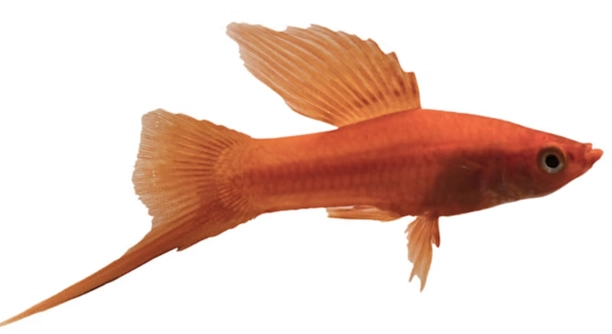
Swordtails often spend time in one spot within their tank. This behavior can be intriguing, as these fish are typically active swimmers, yet they sometimes seem fixated on a specific area. Understanding this habit can improve their care.
The primary reason swordtails become obsessed with one spot is related to their natural instincts. They may feel comfortable there, as it provides security, food, or a specific environmental condition they favor, such as current or temperature.
Identifying the cause behind this behavior can help maintain a healthier environment for your swordtails.
Why Swordtails Spend Time in One Spot
Swordtails often become fixated on a specific spot in their tank. This can occur for various reasons, from the comfort of a particular location to the influence of environmental factors. Swordtails are naturally curious and active, but they also have preferences that affect their behavior. They might choose a spot due to the availability of food, lighting, or a steady water current. It’s common for swordtails to spend more time in areas where they feel secure and can observe their surroundings.
Even if your swordtails have access to the entire tank, they may return to this spot regularly. These areas often provide an ideal combination of elements like water flow or temperature, which contribute to their well-being. Knowing these preferences allows you to ensure their environment remains optimal, promoting their health.
If your swordtails seem overly fixated on a particular spot, check for environmental factors, like water quality or tank arrangement, that may encourage such behavior. Adjusting these elements can help them feel more comfortable moving around.
Environmental Factors Affecting Swordtail Behavior
Swordtails are sensitive to changes in their environment, which often leads them to favor a particular area. Temperature, lighting, and water quality are key elements. A slight shift in any of these factors could draw swordtails to one spot.
The water quality in the tank plays a significant role in where swordtails choose to stay. They are sensitive to pH, temperature, and oxygen levels. If a spot in the tank offers more consistent water flow or temperature, it will become a preferred location. Swordtails may seek out areas where the water feels more comfortable or where they feel less stressed. Temperature changes can influence fish activity, making them more likely to stay in places with stable conditions.
To support your swordtails’ well-being, it’s essential to monitor these factors closely. Regular maintenance, including water changes and temperature control, ensures a stable environment. This allows swordtails to explore freely without being confined to one spot for comfort or safety.
Tank Arrangement and Swordtail Behavior
Swordtails are often drawn to certain spots in the tank based on the layout. They may seek areas with plants or decorations that provide hiding places. These areas give them a sense of security and are preferred when they want to rest or escape from tank mates.
A tank with multiple hiding spots and structures encourages swordtails to explore and find their favorite areas. They may also be drawn to places with less light or where they can swim freely. Tank size matters as well; in smaller tanks, swordtails may feel confined and stay near one spot for comfort. Adjusting the layout can help swordtails feel less stressed and more active.
When setting up a tank for swordtails, include plants, rocks, and hiding spots. These additions give them the opportunity to choose their favorite resting spots, reducing stress and promoting natural behavior. Regularly changing the layout also keeps the environment engaging for them.
Stress and Swordtail Habits
Stress can be a key factor in why swordtails remain in one area. Overcrowding, tank mates, or environmental fluctuations can cause stress, leading them to seek a familiar spot for comfort. Swordtails are sensitive to their surroundings.
A stressed swordtail may stay in one spot to avoid interaction with other fish or deal with unfavorable tank conditions. They might find solace in places where they can limit their exposure to potential stressors, like bright lights or aggressive tank mates. In some cases, swordtails may even show less interest in food, indicating stress.
If swordtails are showing signs of stress, address the underlying issues. Evaluate tank mates for compatibility and ensure there’s plenty of space for everyone. Proper water quality, temperature regulation, and hiding spots can help ease the stress and promote more natural movement in the tank.
Feeding and Swordtail Behavior
Swordtails are often drawn to specific spots when feeding. They tend to return to areas where food is regularly dropped or where they feel safe eating. These spots become familiar feeding zones, making swordtails more likely to stay there during meals.
Consistent feeding times in the same location can reinforce this behavior. Swordtails may also be drawn to spots where they feel less competition for food from other tank mates. Ensuring the feeding area is easy to access and free of disturbances allows swordtails to feed comfortably and reduces stress.
If swordtails stay in the same spot during feeding, consider adjusting their food distribution. Offering smaller portions in different tank areas might encourage them to explore more and avoid fixating on one place.
Temperature Preferences
Swordtails are sensitive to temperature changes and may gravitate toward areas with more stable temperatures. A tank with uneven heating can lead them to find the most comfortable spot, usually near a heater or away from colder sections.
To ensure swordtails are comfortable, use a reliable heater and monitor water temperatures regularly. Keeping the temperature consistent prevents them from seeking out certain areas and encourages more movement throughout the tank. You can also place the heater near areas where the fish spend the most time to maintain even heat distribution. This allows swordtails to feel secure in their environment.
Tank Maintenance
Regular tank maintenance is essential for swordtail well-being. Dirty water or poor filtration systems can cause swordtails to seek a familiar spot to feel more secure. Maintaining water quality prevents them from becoming fixated on one area due to discomfort.
Check the tank’s filtration system to ensure it’s working properly. Regular water changes also help maintain a clean environment. Swordtails will feel more at ease and less likely to remain in one spot if the water quality is consistently good. Make it a habit to monitor water parameters to avoid any issues that could cause the fish to stay stationary.
FAQ
Why do swordtails stay in one spot?
Swordtails may stay in one spot due to a combination of comfort and environmental factors. They might find certain areas of the tank that offer optimal water conditions or a place to feel secure. This behavior can be influenced by water temperature, flow, and hiding spots. Additionally, swordtails are creatures of habit, so once they find a spot they like, they may return to it regularly.
Can stress cause swordtails to stay in one spot?
Yes, stress can cause swordtails to remain in one spot. Factors like overcrowding, aggressive tank mates, or changes in water quality can lead to stress, making the fish feel the need to stay in one area for safety. Stress often makes fish less active, and they may gravitate towards places that offer shelter or comfort, helping them cope with the stress.
What can I do to encourage my swordtails to move around the tank more?
To encourage more movement, ensure your swordtails have plenty of hiding spots, plants, and decorations to explore. Vary the feeding locations and introduce changes to the tank layout occasionally. This will help stimulate their curiosity and reduce the likelihood of them staying in one place. Additionally, keeping water quality high and stable can make them feel more comfortable moving freely.
How do I know if my swordtails are stressed?
Signs of stress in swordtails include unusual swimming patterns, lack of appetite, and spending excessive time in one spot. They might also hide more often, display erratic movements, or even change color. Stress can also cause swordtails to become more lethargic. It’s important to check tank conditions, such as water quality, temperature, and tank mates, to identify the source of stress.
Can poor water quality cause swordtails to stay in one spot?
Poor water quality is a common cause of swordtails staying in one spot. If the water is too dirty or has unstable conditions, swordtails may seek areas where they feel safer. This could be close to a filter or a corner of the tank with more stable water flow. Regular water changes and filtration maintenance are essential for keeping swordtails healthy and active.
How can I improve the environment for my swordtails?
Maintaining good water quality is essential. Regular water changes, proper filtration, and monitoring of pH, temperature, and oxygen levels are crucial for a healthy environment. Additionally, creating a tank layout with plants, rocks, and other hiding spots allows swordtails to feel more secure. Avoid overcrowding and ensure that tank mates are compatible to reduce stress.
Should I be concerned if my swordtails only stay in one spot?
It depends on the situation. If swordtails are staying in one spot frequently, it could be a sign of stress or environmental issues. However, it’s also normal for fish to occasionally favor a particular spot, especially if it provides a comfortable environment or feeding zone. Monitoring their behavior over time and ensuring they have a balanced and healthy environment will help determine if there is a cause for concern.
Do swordtails need a lot of space to move around?
Yes, swordtails benefit from a tank with plenty of space to swim and explore. A cramped tank can lead to stress, limiting their ability to engage in natural behaviors. A larger tank with plants, hiding spots, and ample swimming space promotes their well-being and reduces the tendency to stay in one spot.
Can the tank layout affect how much my swordtails move around?
Yes, the layout can greatly influence swordtail movement. If the tank is cluttered with too many items, it may make swordtails feel confined, leading them to spend more time in one spot. On the other hand, a well-organized tank with areas to explore, swim, and hide encourages swordtails to move around more. It’s important to balance open space with decorations and plants to create a stimulating environment.
What should I do if my swordtails are staying in one spot and not eating?
If your swordtails are staying in one spot and not eating, it’s important to check the water quality immediately. Poor water conditions can make swordtails feel unwell and reduce their appetite. Check for signs of stress or illness, and ensure the tank is properly maintained. If the problem persists, consider consulting a veterinarian or an aquarium specialist.
Can swordtails become territorial and stay in one spot?
Yes, swordtails can become territorial, especially if they are in a small tank or with aggressive tank mates. In such cases, they may stay in a particular spot to defend it. Providing enough space and adding more hiding spots can help alleviate territorial behavior. It’s also important to ensure the swordtails are not outnumbered by more aggressive fish species.
How often should I change the water to prevent swordtails from staying in one spot?
Changing the water regularly is essential for maintaining healthy conditions. A weekly water change of 25-30% is generally recommended for swordtail tanks. This helps maintain stable water quality, which in turn promotes healthy behavior and encourages swordtails to move around more. Always test the water for ammonia, nitrites, and nitrates to ensure the levels are safe.
Final Thoughts
Swordtails are fascinating fish, and their behavior can be influenced by several factors in their environment. While it is natural for them to spend time in specific spots in the tank, understanding why this happens can help ensure they are living in the best possible conditions. Whether it’s because they find a place with better water flow, temperature, or simply a comfortable spot to feed, recognizing these patterns can help you create a more stimulating environment for them. By making small adjustments to the tank setup, such as adding more hiding spots or varying the feeding locations, you can encourage swordtails to explore more of their space and stay active.
However, it is essential to keep in mind that swordtails, like any other fish, need a stable and healthy environment to thrive. If they spend too much time in one spot or seem to be avoiding movement, it could be a sign of stress. Factors like poor water quality, incompatible tank mates, or a lack of space can all contribute to this behavior. Regular maintenance of the tank, including water changes, monitoring of temperature, and ensuring proper filtration, will help reduce stress and encourage swordtails to move around more freely. A tank that mimics their natural habitat with ample swimming space and opportunities for exploration will improve their overall well-being.
In conclusion, while swordtails may stay in one spot for various reasons, it is important to observe their behavior and make adjustments as needed. Keeping the tank clean, monitoring water parameters, and offering a variety of environments to explore will encourage them to be more active. Ultimately, creating a balanced and secure habitat for your swordtails will help them remain healthy and happy in the long term. With attention to detail and a little effort, you can ensure that your swordtails are not only comfortable but also content with their environment.

Hello,
If you enjoy the content that we create, please consider saying a "Thank You!" by leaving a tip.
Every little bit helps us continue crafting quality advice that supports the health, happiness, and well-being of pets around the world, for pets of all shapes, sizes, and species.
We really appreciate the kindness and support that you show us!