
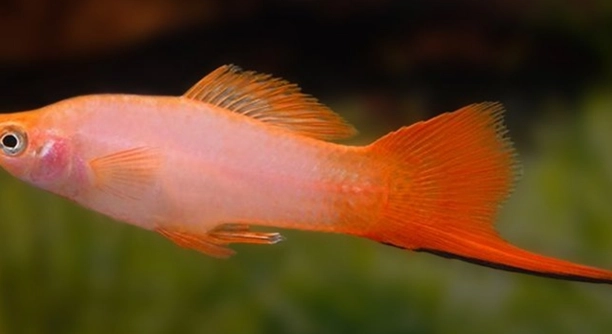
Swordtails are popular fish known for their vibrant colors and playful nature. However, their sensitivity to environmental changes, including noise, may affect their behavior. Understanding how noise impacts them is important for maintaining a peaceful tank.
Swordtails can be sensitive to loud or sudden noises in their environment. Exposure to such disturbances can cause stress, which may negatively affect their health, activity levels, and overall well-being. It is essential to minimize noise around their habitat.
Learning how to create a calm environment for swordtails will improve their health and help them thrive.
How Noise Affects Swordtails
Swordtails are highly sensitive to environmental factors, with noise being one of the most disruptive. When exposed to loud or sudden sounds, they can experience heightened stress levels. This stress can cause them to become more inactive, hide, or even lose their appetite. The sounds may mimic those found in the wild, signaling danger, which can lead to anxiety and decreased overall health. In a tank environment, things like loud music, vibrations from nearby machinery, or even conversations can affect their behavior.
While it might not seem like a major concern, ensuring your swordtails are in a quiet, peaceful environment is key. Swordtails thrive best when they can focus on their natural instincts and not have to constantly react to disturbances. Keeping their habitat free from sudden noises will support their health and promote better activity levels.
To minimize noise stress, consider relocating the tank to a quieter part of the house. Avoid placing it near speakers, television, or areas with frequent foot traffic. With a peaceful environment, swordtails can enjoy their tank more and show fewer signs of distress.
The Best Way to Maintain a Calm Environment
Creating a noise-free environment for swordtails is not difficult. Reducing exposure to loud sounds and vibrations can make a significant difference in their well-being. Swordtails tend to thrive in calm conditions, where they can feel safe and secure.
By setting up their tank in a quieter spot, away from high-traffic areas and noisy appliances, you can help keep your fish happy.
Identifying Signs of Stress in Swordtails
Stress in swordtails can manifest in various ways. One of the most noticeable signs is changes in behavior, such as hiding more than usual or staying near the bottom of the tank. They may also show reduced activity or stop eating altogether, which is concerning for their health.
If your swordtail is stressed, you may notice erratic swimming patterns or an unwillingness to interact with tank mates. It’s important to observe these changes closely, as they can indicate that the fish is reacting to environmental stressors, including noise. Other signs can include fading colors or fin clamping, which are often linked to stress.
Consistent monitoring is essential. If you notice any of these signs, consider adjusting the environment. Lowering noise levels and creating a calm, stable environment can reduce stress and improve your swordtail’s well-being. A peaceful tank will help them regain normal behavior over time.
Maintaining a Balanced Tank Environment
A balanced tank environment goes beyond just reducing noise. Water quality, temperature, and tankmates all play an important role in your swordtail’s health. Ensure the water is clean and properly filtered to prevent any harmful buildup. Proper lighting and water temperature will also help swordtails feel at ease.
Swordtails thrive in stable conditions, so make sure to avoid sudden changes in the tank. These fish prefer mild temperatures between 72-78°F and water pH levels between 7.0 and 8.0. Also, avoid overstocking the tank, as overcrowding can lead to aggression and stress.
Noise and Swordtail Reproduction
Loud noises can disrupt swordtail breeding behavior. Stress from noise can make them less likely to engage in mating. A calm environment is essential for encouraging swordtails to breed successfully. By keeping noise to a minimum, you can help them feel more secure and improve breeding chances.
Environmental stability plays a key role in reproduction. Swordtails need quiet surroundings to focus on courtship and mating. Constant noise will interfere with these natural behaviors, leading to lower chances of successful breeding. A quiet, peaceful tank will allow the swordtails to thrive and reproduce more effectively.
Temperature and Noise Sensitivity
High or fluctuating temperatures can compound the effects of noise stress. Swordtails are sensitive to environmental changes, and noise can make temperature-related stress worse. By maintaining a consistent temperature, swordtails can better handle external factors, like noise, which might otherwise cause unnecessary stress. Keeping things stable benefits their overall health.
FAQ
Can noise stress swordtails?
Yes, swordtails can experience stress due to loud or sudden noises. Noise disrupts their environment, making them feel threatened or unsafe. This can lead to behavioral changes, such as hiding, reduced activity, or even loss of appetite. Keeping the tank in a quiet area is essential for minimizing this stress and promoting their overall well-being.
How do I reduce noise around my swordtail tank?
To reduce noise, place the tank away from high-traffic areas, speakers, or sources of constant sound like televisions or loud appliances. Avoid vibrations from nearby equipment that may be disturbing to the fish. Soft background noise, like a quiet filter or pump, is usually acceptable but should be kept at a low volume.
Do swordtails need complete silence?
While swordtails do not require absolute silence, minimizing loud or sudden noises is important. Swordtails can tolerate a low level of ambient noise, such as light conversation or gentle background music, as long as it does not cause sudden stress. The key is avoiding disruptive sounds that can trigger anxiety.
What are the signs that swordtails are stressed from noise?
Common signs of stress from noise include erratic swimming, hiding more than usual, or reduced interaction with tank mates. You may also notice a decrease in appetite or faded coloration. If these behaviors occur alongside noise disturbances, it is likely that the swordtails are stressed by the environment.
Can swordtails adapt to noisy environments?
Swordtails can sometimes adapt to consistent low-level noise, but sudden or loud noises can always cause stress. Over time, they may become accustomed to mild background sounds, but the general rule is to keep noise levels to a minimum to maintain their health and happiness.
Does noise affect swordtail fry?
Yes, noise can affect swordtail fry, just as it does adult swordtails. Fry are especially vulnerable to environmental stress, and loud or erratic noises can impact their development. Creating a peaceful environment for both adults and fry is essential for their growth and well-being. Ensuring minimal noise will help them thrive in their early stages.
Are there any long-term effects of noise on swordtails?
Long-term exposure to noise can result in chronic stress, which can weaken a swordtail’s immune system and make it more prone to disease. Over time, stress can also shorten their lifespan and affect their ability to reproduce. Reducing stressors like noise helps swordtails live healthier and longer lives.
How can I tell if the tank conditions are affecting my swordtails?
If you notice consistent changes in behavior such as hiding, lack of appetite, or unusual swimming patterns, it may indicate stress from environmental factors, including noise. Additionally, changes in water quality, temperature, or overcrowding can contribute to stress, so regular monitoring of tank conditions is key to identifying potential issues.
Do swordtails get stressed by other fish?
Yes, swordtails can experience stress from aggressive or overly active tank mates. They may feel threatened by larger or more territorial fish. It’s important to choose compatible tank mates that won’t cause stress or disrupt the peace in the tank. Aggression or constant chasing can lead to stress-related behaviors.
Can I use a noise machine to calm my swordtails?
While a noise machine may be helpful in masking certain environmental sounds, it’s important to ensure that the noise level is kept low. Swordtails are sensitive to changes in their surroundings, and too much noise from a machine could cause additional stress. A quiet, calm environment is usually the best option.
Should I avoid placing my swordtail tank near a window?
Placing the tank near a window is not always ideal, especially if the area is prone to external noises like traffic or street sounds. Direct sunlight may also cause temperature fluctuations that could stress your swordtails. If you choose to place the tank near a window, make sure it’s a quiet spot with minimal disruption.
How do water changes affect swordtails when there’s noise?
Water changes can already be stressful for swordtails, and when combined with noise, the stress levels can increase. The sound of water being added or pumps running can disrupt the peace, making the fish even more anxious. To reduce stress, try performing water changes during quieter times or when the tank is in a calm environment.
Can vibrations from the tank equipment cause stress?
Yes, vibrations from filters, pumps, or heaters can cause stress in swordtails, particularly if these devices create constant or loud noise. Try to ensure that the equipment is running smoothly and quietly. If possible, place it away from the fish to reduce any disruptive effects. A quieter setup will benefit your fish in the long run.
Final Thoughts
Swordtails, like many other fish, can be sensitive to their environment. While they may not require complete silence, loud or sudden noises can cause them stress, affecting their behavior and overall health. Stress signs in swordtails can range from hiding more often to showing a lack of interest in food. In severe cases, it may impact their immune system and make them more prone to illness. Keeping their environment calm and quiet is essential for their well-being.
Creating a peaceful environment for swordtails doesn’t require major changes, but it does involve being mindful of potential stressors. Reducing noise levels, avoiding sudden loud sounds, and keeping the tank away from high-traffic areas can make a significant difference. Additionally, swordtails thrive in stable conditions, so maintaining consistent water quality, temperature, and lighting is equally important. With a balanced environment, they will feel more secure and comfortable, which encourages healthy behavior and normal reproductive patterns.
Ultimately, the key to a healthy swordtail tank is understanding the importance of a calm, stable environment. While noise alone may not always be the sole factor in stress, it plays a significant role in their overall comfort. By paying attention to both the audible and physical aspects of the tank, swordtail owners can provide an optimal habitat that supports the fish’s well-being. This careful balance will allow your swordtails to thrive and enjoy a healthier, happier life.

Hello,
If you enjoy the content that we create, please consider saying a "Thank You!" by leaving a tip.
Every little bit helps us continue crafting quality advice that supports the health, happiness, and well-being of pets around the world, for pets of all shapes, sizes, and species.
We really appreciate the kindness and support that you show us!