
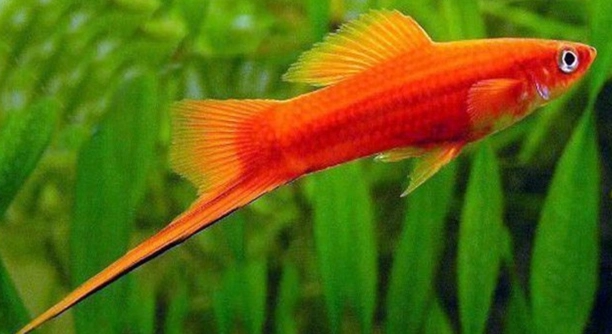
Swordtails are lively fish that make great aquarium companions. However, if you’ve noticed your swordtail rubbing its side, it may be a sign of an underlying issue. This behavior can indicate various health concerns that need attention.
The most common reason for a swordtail rubbing its side is irritation or discomfort caused by parasites, skin conditions, or environmental factors like poor water quality. Identifying the cause early on can help in treating the fish effectively and preventing further stress.
Taking care of your swordtail requires a good understanding of its behavior and health needs. Addressing these issues quickly can prevent long-term harm and improve your fish’s well-being.
Common Causes for Swordtail Rubbing
Swordtails often rub their sides when they feel uncomfortable. One of the most frequent causes is external parasites like ich or velvet, which irritate their skin. These parasites create lesions or cause visible stress on the fish. Additionally, poor water quality can lead to skin issues, making your swordtail feel itchy and agitated. Other possible factors include overcrowding, which increases stress and risk of injury. If a swordtail rubs against objects or gravel repeatedly, it could also be trying to relieve discomfort caused by a bacterial or fungal infection.
In some cases, swordtails may rub their sides to get rid of irritants like debris or uneaten food stuck to their scales. If your swordtail is constantly rubbing its body, it’s time to assess its environment and overall health. Observing the behavior closely can help pinpoint the cause.
Treating the underlying issue will require either adjusting water conditions, adding medication, or giving your swordtail the space it needs. Keep a close eye on your fish to prevent the issue from getting worse.
Importance of Good Water Quality
Maintaining clean, well-filtered water is crucial to your swordtail’s health. Poor water conditions can lead to a variety of skin problems and stress.
Water quality affects not only the swordtail’s appearance but also its overall well-being. Dirty or stagnant water can breed harmful bacteria and parasites, which may cause your fish to rub its sides in an attempt to find relief. Swordtails, like all fish, rely on stable water conditions to thrive. Regular water changes and testing for pH levels, ammonia, nitrites, and nitrates are essential for preventing health issues. Inconsistent water parameters, especially a high ammonia level, will significantly stress your swordtail and make it more vulnerable to diseases. Keeping the water at the right temperature also matters because it helps the fish remain active and strong.
A water change schedule that matches the size of your tank is key to ensuring your swordtail stays healthy and happy. You can also install a quality filter to help maintain clean water consistently.
Signs of External Parasites
External parasites like ich or velvet are often the main reason behind a swordtail rubbing its side. These parasites attach to the fish’s skin, causing irritation. You’ll typically notice white spots on the body or a goldish coating on the fins. This makes the swordtail feel uncomfortable, leading to scratching behavior. If your fish is rubbing against the tank’s decorations or substrate frequently, it’s important to check for these signs.
Parasites can spread quickly in an aquarium, so prompt treatment is crucial. If you spot white dots or any other unusual markings, immediately start by isolating the affected fish to prevent the spread. Parasitic infections usually require medicated treatments that can be found at most pet stores. Adding salt to the water may help in some cases, but be sure to research the best treatment for your swordtail. Reducing stress and maintaining a clean environment will also help in fighting off the infection.
Treatment for parasites often involves raising the water temperature slightly to speed up the life cycle of the parasite, allowing medication to work more effectively. During the treatment, monitor your swordtail closely for any changes or improvements. In some cases, parasites can cause long-term damage to the skin, so don’t wait too long to take action.
Bacterial and Fungal Infections
Bacterial and fungal infections are another common cause of rubbing behavior. These infections can occur due to wounds, poor water quality, or stress. Bacterial infections often lead to swelling, redness, or lesions on the skin. Fungal infections may appear as fuzzy growths on the fins or body. These infections make the fish itch and rub against surfaces to relieve the irritation.
Treatment for bacterial or fungal infections generally involves using specific medications. If you spot signs of an infection, isolate the infected swordtail and begin medication immediately. A warm, clean tank will help speed up the healing process. Additionally, reducing stress factors like high tank population or water fluctuations can significantly aid recovery. Maintaining proper hygiene and water parameters will also prevent future outbreaks of bacterial or fungal infections.
In more severe cases, if the infection has spread or caused significant damage, it may be necessary to treat the entire tank. Always consult an expert or a vet to determine the most appropriate course of action.
Overcrowding in the Tank
Overcrowding can cause stress, leading to rubbing behavior in swordtails. When there’s not enough space, fish are more likely to feel threatened, which can trigger this reaction. Overcrowding increases the risk of injuries and diseases as well, making it harder for your swordtail to thrive.
A crowded tank also means poorer water quality, which can worsen the situation. More fish produce more waste, and without proper filtration, this can lead to dangerous water conditions. To avoid overcrowding, make sure to follow the recommended stocking guidelines based on your tank size and the needs of each species.
Tank Decorations and Rough Surfaces
Rough surfaces or decorations in the tank could also contribute to rubbing behavior. When swordtails feel discomfort from skin irritation or parasites, they might scratch against decorations or gravel to relieve the feeling. Make sure tank decorations have smooth edges that won’t harm the fish.
Sharp or jagged rocks, as well as certain plastic plants, can cause scratches and abrasions, leading to potential infections. Swordtails are active swimmers, so ensuring that the tank environment is free from objects that could harm them will help reduce unnecessary stress. Keep decorations soft and fish-friendly.
FAQ
Why is my swordtail rubbing its side against the rocks?
Rubbing against rocks or decorations is usually a sign of discomfort. If your swordtail is doing this, it could be trying to relieve irritation caused by external parasites, bacteria, or fungal infections. These issues can make the fish feel itchy or painful, leading them to scratch against objects in the tank. It’s important to check for signs of disease, such as spots or fuzzy growths, and address the water quality to ensure it’s not a contributing factor.
How do I treat my swordtail if it’s rubbing its side?
If your swordtail is rubbing against objects, it’s essential to identify the underlying cause first. If parasites are suspected, you can use medications designed for treating external parasites, which are available at most pet stores. For bacterial or fungal infections, specific medications for those conditions are necessary. It’s also important to improve water quality by performing water changes, checking for proper filtration, and ensuring that the temperature and pH are suitable. Isolating the infected fish and reducing stress in the tank can speed up recovery.
What water conditions should I maintain to keep my swordtail healthy?
Swordtails need stable water conditions to thrive. The water should be clear, properly filtered, and regularly changed. Keep the temperature between 72°F and 79°F (22°C–26°C), with a pH level of 7.0 to 8.0. The ammonia and nitrite levels should always be at zero, and nitrates should be kept under 40 ppm. Test the water regularly to ensure it stays within these parameters. Clean water reduces the risk of many health issues, including skin irritation and stress.
Can poor water quality cause my swordtail to rub its side?
Yes, poor water quality is one of the most common reasons swordtails rub against surfaces. When the water becomes polluted with excess waste, ammonia, or other harmful chemicals, it can irritate the fish’s skin and gills. This causes itching, leading the fish to rub against rocks or gravel in an attempt to relieve discomfort. Keeping the water clean and performing regular water changes will help prevent such issues.
How often should I change the water in my tank to prevent rubbing behavior?
Water changes should be done regularly to keep the tank environment clean. For a healthy tank, change 20-30% of the water every week, especially if you have multiple fish or a smaller tank. If you notice that the water quality is worsening, you may need to increase the frequency of changes. Regular water testing will help you decide when it’s time to change the water.
How can I prevent external parasites from affecting my swordtail?
External parasites, like ich and velvet, can be avoided by maintaining good tank hygiene and water quality. Quarantining new fish before introducing them to the tank can help prevent introducing parasites. Additionally, make sure that your tank is not overcrowded and that your swordtail has a stress-free environment. Medications designed for parasite prevention can also be added to the water if you suspect a risk.
Can swordtails get stressed and rub their sides because of tankmates?
Yes, swordtails can become stressed due to aggressive or incompatible tankmates. If other fish in the tank are constantly chasing or bullying the swordtail, it may begin to show signs of stress, including rubbing its side. Make sure your swordtail is kept with peaceful fish that are not too large or territorial. Avoid overcrowding, as this can also increase stress levels.
What should I do if my swordtail has open wounds from rubbing against the tank?
If your swordtail has open wounds or sores, it’s important to treat the area promptly to prevent infections. You can isolate the fish in a quarantine tank and use an antibacterial or antifungal medication. Keep the water clean and ensure the fish has plenty of space to recover. If the wounds are severe, consult an expert for further treatment.
Is it normal for swordtails to rub their sides on tank decorations?
Rubbing is not typical behavior for swordtails and usually signals that something is wrong. While occasional contact with decorations is normal, constant rubbing could indicate that the fish is experiencing discomfort. It’s important to assess the water quality, check for parasites or infections, and remove any sharp objects that could cause further harm.
Should I be concerned if my swordtail is rubbing but showing no visible signs of disease?
Even if there are no visible signs of disease, persistent rubbing can be a sign of discomfort. The fish might be dealing with minor skin irritations, low water quality, or stress. It’s important to monitor the swordtail closely and perform a full water test. If the behavior continues, consider adding a mild salt treatment or performing a water change to improve the environment.
Can high water temperature cause swordtails to rub their sides?
Yes, high water temperature can cause stress, which might lead swordtails to rub against surfaces. When the water temperature is too high, it reduces the amount of oxygen available and can increase the fish’s metabolic rate, leading to higher stress levels. Ensure the temperature is within the recommended range of 72°F to 79°F (22°C–26°C). If the tank is too warm, it may also encourage the growth of parasites and bacteria.
What are some signs that my swordtail is suffering from a skin infection?
Signs of a skin infection include redness, swelling, open sores, or unusual growths on the skin or fins. The fish may also show a decrease in activity and appetite, and it may rub its sides frequently. If you notice these symptoms, it’s important to isolate the affected fish and begin treatment immediately to prevent the infection from spreading.
Final Thoughts
If your swordtail is rubbing its side, it’s important to understand that this behavior typically indicates discomfort. The most common causes of rubbing are external parasites, bacterial or fungal infections, and poor water quality. Identifying the cause early can prevent the issue from worsening and help your fish recover. Keep a close eye on your swordtail’s behavior and physical appearance to catch any signs of illness early. This will give you the best chance to address the problem before it becomes more serious.
Maintaining proper water quality is crucial to the health of all aquarium fish, including swordtails. Poor water conditions can stress your fish and make them more susceptible to skin problems. Regular water changes, monitoring water temperature, and ensuring proper filtration are simple ways to prevent many issues. You should also avoid overcrowding, as this can lead to a higher risk of disease and stress. Keeping your tank clean and providing a peaceful environment will help keep your swordtail happy and healthy.
In addition to water quality, it’s important to monitor your swordtail for signs of external parasites or infections. Treating parasites, bacteria, or fungi promptly can prevent further damage to your fish’s skin and fins. Be sure to isolate any sick fish to prevent the spread of illness to others in the tank. With proper care, your swordtail should be able to recover and go back to its normal behavior. Always stay alert and take action quickly to maintain the health and well-being of your fish.

Hello,
If you enjoy the content that we create, please consider saying a "Thank You!" by leaving a tip.
Every little bit helps us continue crafting quality advice that supports the health, happiness, and well-being of pets around the world, for pets of all shapes, sizes, and species.
We really appreciate the kindness and support that you show us!