
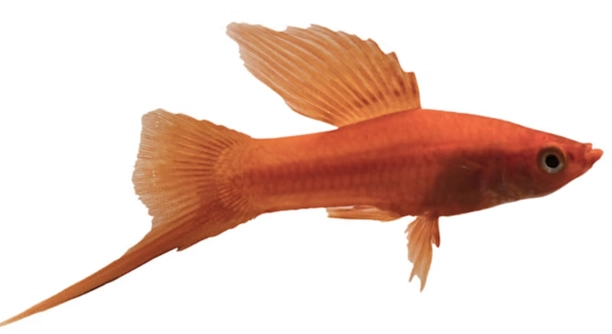
Swordtails are lively and colorful fish that can bring joy to any aquarium. However, keeping them active and alert is essential for their well-being. It’s important to know the right steps to ensure they stay healthy and lively.
To keep swordtails active and alert, it is crucial to maintain a proper environment, provide sufficient space, offer varied diets, and incorporate mental stimulation. Regular water changes, appropriate tank mates, and a stable temperature are also key factors.
By following a few simple guidelines, you can ensure that your swordtails enjoy a long, healthy, and active life.
Maintaining a Clean and Stable Tank Environment
Keeping the water in your tank clean and stable is crucial for swordtails to thrive. Regular water changes help remove toxins and ensure proper oxygen levels. Swordtails are sensitive to water quality, so it’s important to monitor the pH, temperature, and hardness. A tank with fluctuating conditions can cause stress, leading to decreased activity.
A good filtration system plays a key role in keeping the water clean. Filter out debris, while also maintaining appropriate water flow to prevent stagnant areas. Use a thermometer to keep track of the tank temperature, ensuring it remains within the recommended range of 72-78°F (22-26°C).
The more stable and clean your tank is, the more likely your swordtails will remain active and alert. They need an environment where they feel secure and healthy, so don’t overlook the importance of water quality.
Providing Enough Space and Room for Swimming
Swordtails are active fish and need plenty of space to swim freely. Crowded tanks lead to stress and inactivity.
A minimum of 20 gallons is recommended for a small group of swordtails. This gives them room to move around and engage with their environment. Larger tanks are even better for multiple swordtails or other species.
An overstocked tank can cause competition for space and food, reducing their activity level. Swordtails will swim more and stay active if they have enough space to explore. More space also means healthier social interactions between your fish, which encourages movement.
Offering a Varied and Nutrient-Rich Diet
A well-balanced diet is essential for swordtails to stay active. Offering a variety of foods, like high-quality flakes, pellets, and live or frozen foods, helps provide the nutrients they need.
Live foods, such as brine shrimp or daphnia, can stimulate their natural hunting instincts. Including vegetables like blanched spinach or zucchini also adds important nutrients. Swordtails require both protein and plant matter to stay healthy and active, so don’t rely on just one type of food.
Feeding swordtails a variety of foods not only supports their health but also keeps them engaged. When they get the right nutrients, they’re more likely to stay active and alert. Overfeeding should be avoided, as it can lead to poor water quality and health problems.
Choosing the Right Tank Mates
Swordtails are peaceful fish that do well with many other species. Choosing compatible tank mates is important for maintaining a stress-free environment.
Aggressive fish can cause stress and lower the activity levels of swordtails. It’s best to keep them with other peaceful species like tetras, guppies, or platies. Avoid keeping them with fin-nipping fish or overly territorial species. The right tank mates encourage social behavior and movement.
In addition to choosing the right species, it’s also important to consider the size of your tank. More fish in a cramped space can cause competition for resources, leading to stress. By selecting peaceful and compatible tank mates, you provide swordtails with a harmonious environment that encourages activity.
Regular Water Changes
Water changes are essential for keeping swordtails healthy and active. Regularly replacing 10-20% of the tank water helps remove waste and toxins.
Water changes also help maintain the proper water parameters swordtails need. Keeping their environment clean prevents stress and promotes activity. Make sure to use a water conditioner to treat tap water before adding it to the tank.
Small, consistent water changes are more effective than infrequent, larger changes. This routine reduces the chances of drastic shifts in water conditions, which can cause stress or illness in your swordtails.
Creating Hiding Spots and Decorations
Providing hiding spots and decorations in your tank helps swordtails feel secure. Plants, rocks, or small caves can give them places to retreat when they need a break.
While swordtails are active, they still need moments of privacy. Hiding spots provide a sense of security, reducing stress and making them feel more comfortable in their environment. This balance of activity and rest keeps them alert and healthy.
Monitoring Tank Temperature
Maintaining a stable temperature is crucial for swordtails. Temperatures should stay between 72-78°F (22-26°C).
A fluctuating temperature can cause stress and disrupt their behavior. Make sure your aquarium heater is functioning properly and monitor the temperature regularly to keep it within the desired range. A stable temperature supports swordtails’ activity and overall health.
FAQ
How often should I feed my swordtails?
Swordtails should be fed once or twice a day, depending on their size and tank conditions. It’s important to avoid overfeeding as this can cause water quality problems. Feed only what they can consume within 2-3 minutes to prevent leftover food from decaying. This ensures they stay active without compromising water quality.
What is the best temperature for swordtails?
Swordtails thrive in temperatures between 72-78°F (22-26°C). Fluctuations outside this range can stress them out and make them less active. Ensure that your aquarium heater is set to the proper temperature and check it regularly to maintain a stable environment. A thermometer is helpful to monitor conditions.
Can swordtails live with other fish?
Yes, swordtails are peaceful fish and can live with many other species. They do well with other peaceful, non-aggressive fish, such as tetras, guppies, and platies. Avoid keeping them with fin-nippers or overly territorial fish, as this can cause stress and lower their activity levels.
Do swordtails need a filter?
Yes, a filter is essential for maintaining good water quality in your tank. Swordtails are sensitive to poor water conditions, and a filter helps remove waste and debris. A good filtration system also ensures that the water stays oxygenated, which keeps your swordtails active and healthy. Clean the filter regularly to maintain efficiency.
How can I tell if my swordtail is stressed?
Stressed swordtails may display unusual behavior, such as hiding more than usual, swimming in circles, or staying near the surface of the water. They may also lose their color or show signs of aggression towards tank mates. If you notice these behaviors, check the water conditions and ensure that there are no aggressive fish in the tank.
How long do swordtails live?
Swordtails typically live for 3 to 5 years in a well-maintained tank. The lifespan can vary depending on the quality of their environment, diet, and overall care. Keeping the water clean, providing a balanced diet, and avoiding overcrowding will help them live a longer, healthier life.
Can I keep male and female swordtails together?
Yes, male and female swordtails can be kept together. However, if you have both sexes in your tank, be prepared for breeding. Male swordtails often display their colorful tails to attract females. If you do not want baby swordtails, it’s best to keep only males or manage the number of females.
What should I do if my swordtail isn’t eating?
If your swordtail is not eating, check the water conditions first. Poor water quality can cause fish to lose their appetite. Ensure that the temperature, pH, and hardness are within the ideal range. You might also try offering different types of food to see if they have a preference, such as live or frozen food.
Can swordtails live in a small tank?
Swordtails need space to swim freely, so a small tank is not ideal for them. A minimum of 20 gallons is recommended for a small group. Crowding can lead to stress and inactivity. A larger tank provides more room for swimming and creates a healthier environment for your swordtails.
Why are my swordtails not as active?
If your swordtails are not as active, it could be due to poor water conditions, overcrowding, or an inappropriate diet. Check for any signs of stress or illness. Also, ensure that the tank temperature is stable and that there are enough hiding spots and plants to give them a sense of security.
How often should I change the water in my swordtail tank?
It’s recommended to perform small water changes of 10-20% every week. This helps maintain water quality and remove excess waste. If your tank is heavily stocked or the water quality seems to deteriorate quickly, you may need to change the water more frequently. Regular changes ensure that your swordtails stay healthy and active.
What type of decorations do swordtails need in their tank?
Swordtails enjoy having plants, rocks, and decorations in their tank. These items offer hiding spots and create a more natural environment, which helps reduce stress. Live plants are a great option, as they provide oxygen and give your swordtails places to explore. Just make sure the decorations don’t overcrowd the tank.
Are swordtails hardy fish?
Swordtails are generally hardy and can adapt to a variety of water conditions. However, they are sensitive to extreme changes in temperature, pH, or water hardness. Providing stable, clean water and a balanced diet helps them stay healthy and active. With the right care, they can live for several years in your aquarium.
Can I breed swordtails in my tank?
Yes, swordtails are easy to breed in a tank if the conditions are right. Keep males and females together, and they will naturally breed. Swordtail fry are small and require careful attention, especially in terms of food and shelter. If you don’t want to breed them, keep only males or use a breeding trap.
What type of filter is best for swordtail tanks?
A hang-on-back filter or a canister filter works well for swordtail tanks. These filters provide efficient filtration while maintaining water flow and oxygen levels. Make sure the filter isn’t too strong, as strong currents can stress out swordtails. Clean the filter regularly to keep it running smoothly.
Why are my swordtails chasing each other?
Swordtails may chase each other as a form of social interaction, particularly during breeding displays. Males often chase females to show off their colorful tails. However, if the chasing is constant or aggressive, it could indicate territorial behavior or stress. In this case, consider rearranging the tank or adding more hiding spots.
How can I reduce the stress in my swordtail tank?
To reduce stress in your swordtail tank, ensure the water conditions are stable, avoid overcrowding, and provide plenty of hiding spots. Keeping compatible tank mates is important, as aggression can lead to stress. Reducing stress helps keep your swordtails active and healthy, and it also improves their overall behavior.
Can I use tap water for my swordtail tank?
You can use tap water, but it’s important to treat it with a water conditioner to remove harmful chlorine and chloramine. Test the water’s pH and hardness before adding it to the tank. If your tap water is too hard or too soft for swordtails, you may need to adjust it using appropriate water additives.
Final Thoughts
Swordtails are active and colorful fish that can thrive in a well-maintained tank. To keep them healthy and alert, it’s essential to focus on their environment, diet, and social interactions. By ensuring clean water, stable temperatures, and enough space to swim, you can create a stress-free environment that encourages activity. Swordtails are hardy, but like all fish, they require proper care to stay healthy in the long term.
Feeding swordtails a varied and balanced diet is another key aspect of keeping them active. A combination of high-quality flakes, live or frozen foods, and plant matter will give them the necessary nutrients to maintain their energy levels. Overfeeding should be avoided, as it can lead to poor water quality and health issues. Regular feeding, along with proper water changes, helps swordtails stay in top condition. They’ll be more likely to display their natural behavior and remain alert when they’re getting the right food in the right amounts.
Finally, choosing compatible tank mates and providing plenty of hiding spots can help swordtails feel secure and relaxed. Stress from aggressive or incompatible fish can lead to inactivity and poor health. Swordtails thrive in peaceful environments with plenty of space to swim and explore. Offering a mix of decorations and plants not only gives them places to rest but also adds to the beauty of your aquarium. By following these simple steps, you can ensure that your swordtails remain healthy, active, and engaged in their environment.

Hello,
If you enjoy the content that we create, please consider saying a "Thank You!" by leaving a tip.
Every little bit helps us continue crafting quality advice that supports the health, happiness, and well-being of pets around the world, for pets of all shapes, sizes, and species.
We really appreciate the kindness and support that you show us!