
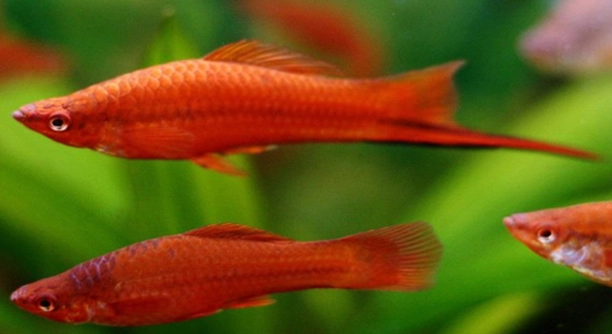
Swordtails are known for their unique swimming behavior, and sometimes they appear to swim without moving their fins. This behavior can be puzzling for aquarium owners, but understanding its causes can help ensure their well-being.
Swordtails may swim without moving their fins as a result of water current, stress, or health issues. The fish may conserve energy or be affected by changes in their environment, making them appear inactive or lethargic.
Recognizing the reasons behind this behavior can help you provide a better environment for your swordtails. Adjustments may improve their overall health and swimming patterns.
Common Reasons Why Swordtails Swim Without Moving Their Fins
Swordtails are active fish, and when they swim without moving their fins, it can be concerning. The most common reason for this behavior is poor water quality. When the water parameters are off, swordtails can become stressed and might try to conserve energy by reducing fin movement. Another factor could be the current in the tank. Swordtails, like many fish, may swim with less effort in strong currents, leading them to appear like they’re not using their fins as much. Additionally, swordtails may be feeling unwell due to a health issue such as a parasite or bacterial infection. These conditions often cause lethargy and a noticeable reduction in swimming activity.
The environment in which your swordtails live plays a big role in their behavior. If the water quality is poor or there are too many fish in the tank, it can cause stress. It’s important to monitor the conditions regularly.
A simple water test can help identify issues like pH imbalances, high ammonia, or nitrites. Regular water changes and maintaining clean tank conditions can reduce the chances of stress-related behaviors in your swordtails. If they are still inactive, it’s worth checking for signs of illness and consulting a veterinarian.
How Tank Conditions Affect Swordtail Behavior
Tank conditions are crucial for swordtails. Inadequate water quality can lead to inactive fish. Regular monitoring is essential.
Poor water conditions affect your swordtails’ overall health and activity levels. A buildup of toxins like ammonia can irritate their skin and gills, making them less active and lethargic. A water filter that works effectively, along with regular water changes, is vital to keeping the environment clean. Adjusting the temperature and ensuring the water is well-oxygenated also helps keep swordtails healthy and active.
Moreover, overcrowding can cause stress in swordtails, limiting their ability to swim freely. Swordtails, like many fish, need adequate space to feel safe. They are more likely to show their natural swimming behavior when they are in a tank with proper space, clean water, and appropriate companions. Keeping a healthy environment ensures your swordtails are active, happy, and in good health.
Health Issues That Could Lead to Reduced Fin Movement
Swordtails, like all fish, can experience health problems that affect their behavior. Illnesses like fin rot, parasites, or internal infections often result in lethargy or reduced movement. If your swordtail is not moving its fins, it may be trying to conserve energy or may not have the strength to swim properly.
Fin rot can cause noticeable damage to the fins and may lead to inactivity. Parasites can also cause discomfort and a lack of energy, which may reduce swimming activity. Fish suffering from these conditions tend to hide more often and swim less. If you notice a swordtail staying near the bottom or showing signs of distress, it’s important to check for any symptoms of illness.
Treating these health issues early on can prevent more severe problems. A quarantine tank and medicated treatments can help. Monitoring your swordtails for signs of disease, such as faded color, swelling, or abnormal behavior, ensures that they get the care they need before it’s too late.
How Stress Affects Swordtail Swimming
Stress can take a toll on swordtails and cause them to swim less actively. Changes in their environment, such as new tank mates, loud noises, or sudden temperature shifts, can lead to stress. Swordtails may appear to swim without moving their fins as a result.
When stressed, swordtails may show other signs of distress like hiding or darting around the tank. This behavior is a response to feeling threatened or overwhelmed. The fish might also stop eating, making it harder for them to maintain their energy levels. In severe cases, prolonged stress can lead to illness and decreased lifespan.
Providing a calm, stable environment is essential to reducing stress. Swordtails do best when housed with peaceful tank mates and in a well-maintained tank. Proper water conditions and regular feeding routines will also help reduce stress and allow swordtails to swim more naturally.
The Role of Tank Size in Swordtail Activity
The size of the tank can influence how much your swordtails swim. A small tank can make them feel cramped, reducing their swimming and energy levels. Swordtails thrive in larger tanks where they have more room to move.
In smaller tanks, swordtails are often confined to limited spaces, causing them to become stressed or lethargic. Having more space helps swordtails feel safer and encourages them to swim more actively. A tank of at least 20 gallons is ideal for a small group of swordtails. If your tank is too small, consider upgrading to give your fish more room.
Water Temperature and Its Effect on Swordtails
Swordtails prefer stable temperatures between 72°F and 79°F. When the water temperature drops too low or fluctuates too much, they may become sluggish. Cold water can slow their metabolism, causing them to move less, including not using their fins as much.
Maintaining a consistent water temperature is key to keeping your swordtails active and healthy. A heater with a thermostat can help regulate the water temperature and prevent sudden changes. It’s important to monitor the temperature regularly to avoid stress and discomfort for your fish. A stable environment encourages natural swimming behavior and energy levels.
The Importance of Regular Water Changes
Water changes are crucial for maintaining swordtail health. If the water in your tank becomes too dirty, it can affect the fish’s activity levels. Swordtails are particularly sensitive to poor water quality, which can lead to reduced swimming and other health issues.
Changing about 25% of the water every two weeks will help maintain good water quality. Use a reliable filter to remove waste, and ensure the water is free from harmful toxins like ammonia or nitrites. Clean water is essential to keeping swordtails healthy, active, and more likely to swim normally.
FAQ
Why do swordtails swim without moving their fins?
Swordtails may swim without moving their fins for a variety of reasons. One common cause is water quality. Poor water conditions, such as high ammonia or nitrite levels, can cause stress, leading them to reduce their fin movement. A lack of space in the tank or overcrowding can also cause stress and inactivity. Additionally, swordtails may be unwell, suffering from parasites, fin rot, or other diseases, which can make them lethargic. They may conserve energy when dealing with such stressors, resulting in the appearance of swimming without much fin movement.
How can I improve my swordtail’s swimming behavior?
Improving your swordtail’s swimming behavior starts with ensuring clean, well-maintained water conditions. Test the water regularly for ammonia, nitrites, and pH imbalances, and perform water changes as needed. Ensure that the temperature is within the ideal range of 72°F to 79°F. Provide enough space for them to swim freely. A tank of at least 20 gallons is ideal for a small group of swordtails. Keeping the tank environment calm and free from sudden changes can also help your swordtails feel comfortable and encourage natural swimming behaviors.
Can swordtails swim without fins?
No, swordtails cannot swim without their fins. Fins are essential for their ability to maneuver in the water. However, if you notice that a swordtail isn’t using its fins as much, it might be due to health issues like fin rot, a parasite, or stress from poor water conditions. While they still rely on their fins to swim, a lack of movement could indicate discomfort or illness. A visit to an aquarium vet might be needed if the behavior persists.
What should I do if my swordtail isn’t swimming?
If your swordtail isn’t swimming, first check the water quality. Poor water conditions can cause lethargy and a lack of movement. Test for ammonia, nitrites, and pH imbalances. If the water is clean, consider whether the temperature is too low or if there is a current that might be too strong for the fish. Look for signs of illness, such as faded colors, swelling, or lesions. If these symptoms appear, quarantining the fish and administering the appropriate treatments may be necessary. Ensure that your swordtail has enough space and peaceful tank mates to reduce stress.
Can stress cause swordtails to swim less?
Yes, stress can cause swordtails to swim less. Changes in the tank environment, such as introducing new fish, loud noises, or inconsistent water temperature, can make swordtails feel threatened. When stressed, they may swim more slowly or hide to conserve energy. Overcrowding can also increase stress, limiting the available space for swordtails to swim. To minimize stress, ensure that your swordtails have a stable environment with appropriate tank mates and a proper filtration system to keep the water clean.
How can I tell if my swordtail is sick?
To determine if your swordtail is sick, watch for signs like reduced swimming, faded or discolored scales, swollen body parts, or abnormal breathing. Fish that are unwell may also stop eating or exhibit abnormal swimming patterns, such as swimming in circles or staying near the bottom of the tank. Look for any lesions or fin damage, such as torn or decayed fins, which could indicate infections like fin rot. If you notice any of these symptoms, it’s important to check the water quality and consult an aquarium vet for treatment.
What is the best tank setup for swordtails?
Swordtails thrive in a tank with clean water, a stable temperature, and plenty of space. A minimum of 20 gallons is recommended for a small group of swordtails. Ensure that the tank has a good filtration system to maintain water quality. Swordtails appreciate plants and hiding spots in the tank, as these provide shelter and make them feel secure. Additionally, swordtails are social fish, so keeping them in a group of at least three or more is ideal. They prefer slightly alkaline water and should be kept with peaceful tank mates.
Can swordtails live with other fish?
Yes, swordtails can live with other fish, but it’s important to choose compatible tank mates. Swordtails are peaceful and active, making them suitable for community tanks. Avoid keeping them with aggressive or fin-nipping species that may stress them out. Good tank mates include other peaceful fish like tetras, mollies, or platies. Ensure the tank is large enough to accommodate all the fish comfortably and provide hiding spots for each species. As with any community tank, monitor the fish closely to ensure peaceful interactions.
How often should I feed my swordtails?
Swordtails should be fed once or twice a day, offering only what they can consume in a few minutes. Overfeeding can lead to water quality issues, so it’s important not to leave uneaten food in the tank. Swordtails are omnivores and should be offered a balanced diet that includes both plant-based and protein-rich foods. High-quality flake food, supplemented with live or frozen foods like brine shrimp or daphnia, will ensure they get the necessary nutrients. Avoid overfeeding, as it can lead to obesity and other health issues.
Why is my swordtail’s color fading?
Fading color in swordtails can be a sign of stress, poor water quality, or illness. Stress caused by factors like overcrowding, sudden changes in water parameters, or aggressive tank mates can cause swordtails to lose their vibrant coloration. If the water conditions are poor, such as high levels of ammonia or nitrites, swordtails may also experience faded colors. Illnesses like parasites or bacterial infections can also affect their appearance. If you notice color fading, perform a water test to ensure it’s within ideal conditions and look for other signs of illness that may require treatment.
Final Thoughts
Understanding why swordtails swim without moving their fins is crucial for their overall care. While it can be concerning to see them swim slowly or appear inactive, it’s important to look for other signs that could help identify the cause. Water quality is often the first factor to check. Poor water conditions, such as high levels of ammonia or nitrites, can lead to stress, which affects the swordtail’s behavior. Stress, in general, is a common issue that can slow them down. Offering a stable, clean environment can prevent these problems and keep your fish healthy. In addition to water quality, other factors such as tank size, temperature, and the presence of other fish all contribute to their well-being.
Ensuring swordtails have enough space to swim and feel comfortable is another key aspect of maintaining their activity levels. When they are kept in overcrowded tanks or with aggressive tank mates, they may become stressed and reduce their movement. Swordtails are social creatures and thrive in groups, but they also need room to swim and establish territories. A larger tank, at least 20 gallons, is ideal for a small group of swordtails. It’s important to make sure the temperature is within the ideal range, and the water is well-maintained. If the water temperature fluctuates or is too cold, swordtails may become sluggish. The proper setup will encourage them to swim more freely and act naturally.
Lastly, monitoring your swordtail’s health is essential. Illnesses or parasites can also lead to a lack of movement. In these cases, the fish may swim slowly or appear less energetic, conserving energy to cope with the issue. If there are signs of illness, such as faded colors, swollen bodies, or abnormal swimming patterns, it’s important to act quickly. Isolating the sick fish and treating the condition promptly can prevent it from spreading to other fish in the tank. Regular water changes and proper diet also help strengthen the fish’s immune system, making them less likely to suffer from diseases. Keeping these factors in mind will help ensure that your swordtails stay active, healthy, and happy in their aquatic environment.

Hello,
If you enjoy the content that we create, please consider saying a "Thank You!" by leaving a tip.
Every little bit helps us continue crafting quality advice that supports the health, happiness, and well-being of pets around the world, for pets of all shapes, sizes, and species.
We really appreciate the kindness and support that you show us!