
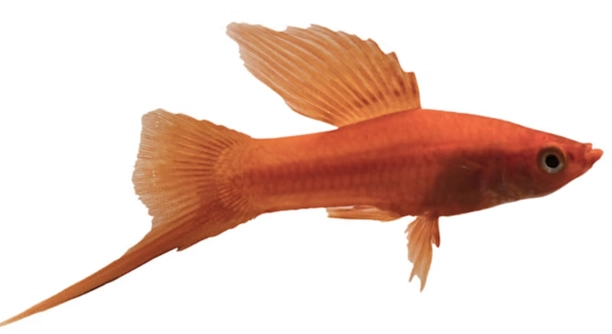
Are your swordtails acting jumpy, hiding too often, or darting away whenever you approach the tank? Small mistakes in their care routine might be the reason behind their nervous behavior and lack of confidence in the environment.
Swordtails can become skittish due to common husbandry errors such as sudden water changes, lack of hiding spots, poor tankmate choices, or inconsistent lighting. These factors disrupt their sense of safety, causing stress and leading to erratic or fearful behavior.
Recognizing and adjusting these simple care issues can help your swordtails feel more secure, confident, and relaxed in their aquarium home.
Sudden Water Changes
Large or fast water changes can shock swordtails, especially if the new water’s temperature or parameters differ too much from what they’re used to. Even a slight difference can cause discomfort, making them skittish or erratic. Swordtails are sensitive to instability, and frequent sudden shifts can weaken their immune system over time. Instead of doing a full clean all at once, gradual changes are better tolerated. Try replacing no more than 25% of the tank water at a time, and match the new water’s temperature as closely as possible. This gives your swordtails time to adjust without added stress. Use a water conditioner to remove chlorine and chloramine, and test your tank’s parameters regularly. Sudden spikes or drops in ammonia, nitrite, or nitrate can also trigger stress responses. Maintaining a stable and clean tank gives them a sense of security and helps them behave more naturally and calmly.
Sudden changes are avoidable by establishing a consistent maintenance routine that supports a calm and predictable habitat for your fish.
Keep your water changes gentle and consistent, and always monitor parameters to avoid unnecessary stress. Swordtails rely on a steady environment to stay calm.
Inadequate Hiding Spots
Swordtails need spaces to retreat when they feel overwhelmed or unsafe. Without hiding spots, they stay on alert, which leads to skittish behavior.
In tanks that lack proper cover, swordtails are exposed from all sides. This makes them feel vulnerable, especially if there’s movement near the tank. Adding live or artificial plants, driftwood, or rock formations provides places to hide and rest. When fish have shelter, they feel less threatened and tend to explore more confidently. Hiding areas are especially important in tanks with multiple fish, as they help reduce territorial disputes and aggression. For example, bushy plants allow weaker fish to move out of sight, preventing bullying. Spread the cover throughout the tank so fish have more than one place to retreat. Keep these areas clean and make sure there’s still open swimming space. Swordtails feel safer when they know they can hide if needed. A well-decorated tank helps promote calm behavior and more natural movement.
Incompatible Tankmates
Aggressive or fast-swimming fish can make swordtails nervous. If they’re constantly chased or outcompeted for food, they start hiding more and moving less. Peaceful community fish are a better fit for maintaining calm behavior in swordtails.
When swordtails live with fin-nippers or territorial species, they often display signs of stress such as darting, shaking, or losing color. Their natural temperament leans toward calm and social, but being placed with the wrong tankmates can bring out fear-based behaviors. Avoid pairing them with barbs or overly active cichlids. Instead, choose gentle species like mollies, platies, or tetras. Always monitor interactions closely when introducing new fish. Sometimes the issue isn’t aggression but competition. Faster fish can snatch food quickly, leaving swordtails to scramble. This repeated loss can cause anxiety over feeding time, increasing their skittish behavior. Observing group dynamics helps prevent long-term stress and supports a more relaxed tank environment.
Tankmate compatibility also depends on the tank size and available space. Overcrowded tanks create pressure and increase tension, even among typically peaceful species. Always give enough space and hiding areas for each type of fish. The more balanced and peaceful the community, the more confident and social swordtails tend to become in their daily behavior.
Bright or Inconsistent Lighting
Bright lights without enough shade can make swordtails feel exposed. When lights switch on too suddenly or stay too intense for too long, the stress can show in skittish swimming and hiding. Gradual lighting helps reduce the shock.
Consistent lighting plays a big role in keeping swordtails calm. Sudden flashes or changes confuse their sense of time and disrupt their natural activity patterns. If the lights turn on abruptly in a dark room, it can cause panic. The same thing can happen when lights shut off suddenly at night. A timer or gradual dimming feature works well to prevent this. Bright lighting should be balanced with shady areas created by tall plants or floating leaves. Swordtails appreciate having space where they can retreat from direct light. Too much brightness can cause overexposure, especially in tanks without enough cover. This constant alertness wears them down. Keeping a consistent light schedule helps maintain a steady rhythm and encourages natural, relaxed swimming.
Lack of Routine
Swordtails thrive on consistency. Feeding them at random times or changing their surroundings too often can cause confusion and stress. A steady routine helps them feel secure and makes their behavior more predictable and calm.
Stick to a regular schedule for feedings, light cycles, and maintenance. Predictability builds trust in their environment.
Strong Water Flow
Swordtails prefer gentle to moderate flow. If the current is too strong, they may struggle to swim comfortably and begin hiding or staying in one spot. Constant resistance wears them out and affects their natural behavior over time.
Choose a filter that allows for adjustable flow or redirect the output toward the tank wall to reduce pressure. Use decorations or plants to break the current and create resting zones. Swordtails enjoy open swimming areas, but they also need breaks from water movement. Strong flow can lead to reduced appetite, poor social interaction, and excessive stress. If you notice them hovering near the bottom or avoiding certain parts of the tank, it could be due to the current. Regularly checking how they react to flow changes can help maintain a calm and healthy environment that suits their swimming style.
Poor Acclimation
When swordtails aren’t introduced slowly to a new tank, they may show long-term fear responses. Sudden changes in water chemistry or temperature during transfers create lasting stress. Proper acclimation reduces this risk and sets a stable foundation.
FAQ
How do I know if my swordtails are stressed?
Swordtails show several signs of stress, such as hiding more than usual, reduced appetite, erratic swimming, or darkened coloring. They may also swim near the tank bottom or appear lethargic. These behaviors indicate something is wrong, such as water quality, tankmates, or environmental stressors.
Pay close attention to their behavior throughout the day. Healthy swordtails swim actively and eat regularly. If their behavior suddenly changes, it’s a sign that something in their environment needs adjustment.
What temperature should I keep the water for swordtails?
Swordtails do best in water temperatures between 72°F and 78°F (22°C to 26°C). Water outside this range can cause stress or even health problems. Temperature swings can particularly affect their immune system and make them more susceptible to illness.
Keep the water temperature stable with a reliable heater. Avoid placing the tank near windows or air conditioning vents, as external temperature changes can lead to fluctuations.
Can swordtails live with other fish?
Yes, swordtails are peaceful community fish and can live with other calm species like mollies, platies, and tetras. However, aggressive or overly active fish can cause stress. Swordtails should be housed with compatible tankmates to avoid fear-based behavior.
If introducing new fish, monitor their interactions closely. If aggression or bullying occurs, separate the fish. Swordtails prefer peaceful environments where they can swim freely without constant competition or harassment.
How often should I feed my swordtails?
Feed swordtails 2-3 times a day, offering small amounts that they can eat within 2-3 minutes. Overfeeding can cause water quality problems, leading to stress. Choose high-quality flake food, pellets, or frozen foods like brine shrimp for a balanced diet.
Remove any uneaten food promptly to avoid water contamination. A consistent feeding schedule keeps them healthy and encourages a calm, predictable environment.
What is the best way to clean a swordtail tank?
Regular tank maintenance is crucial to keeping swordtails healthy. Perform partial water changes (about 25%) weekly, and clean the tank’s filter every month. Use a siphon to remove debris from the substrate without disturbing the fish too much.
Avoid using harsh chemicals or cleaning agents. Rinse decorations and plants with water only to remove algae buildup. Keeping the tank clean prevents stress and ensures the water remains safe for your swordtails.
Can swordtails live with plants?
Yes, swordtails enjoy having live plants in their tank. Plants offer shelter and help create a natural environment. Swordtails will often swim through or rest among plants, especially if they feel stressed.
Choose plants that grow well in aquarium conditions, such as Java fern or Anubias. Plants also help maintain water quality by absorbing excess nutrients and providing oxygen. They are beneficial for both the fish and the tank’s overall ecosystem.
How long do swordtails live?
Swordtails typically live 3 to 5 years in a well-maintained tank. Proper care, including stable water conditions, regular feeding, and a good tank environment, can extend their lifespan.
Age, genetics, and health all contribute to how long your swordtails will live. Healthy swordtails that are stress-free generally live longer and show more natural, confident behavior.
Do swordtails need a lot of space?
While swordtails don’t require an exceptionally large tank, providing enough space helps reduce stress. A 20-gallon tank is the minimum for a small group of swordtails, but a larger tank is ideal if you plan to keep them with other species.
Overcrowding leads to competition for food and hiding spots, which can increase stress. Ensure there’s enough swimming space and hiding areas to keep them calm.
Why is my swordtail hiding all the time?
If your swordtail is constantly hiding, it could be stressed from poor water quality, aggressive tankmates, or a lack of hiding spots. Swordtails naturally seek refuge when they feel threatened, so creating a secure environment is essential.
Check the water parameters, introduce more plants or decorations for cover, and ensure the tankmates are peaceful. Swordtails will become more confident when they feel safe.
Can swordtails live without a filter?
Technically, swordtails can survive without a filter, but it’s not ideal. A filter helps maintain water quality by removing debris and toxins. Without a filter, regular water changes are essential to keep the environment safe for your fish.
Consider installing a low-flow filter if you’re concerned about water current. Even if the filter is optional, it helps maintain a healthier, more stable tank environment for swordtails.
Final Thoughts
Swordtails are relatively easy to care for, but their behavior can be significantly influenced by their environment. A calm, stable tank with appropriate water conditions, compatible tankmates, and proper lighting will help them thrive. Stress from environmental factors can cause swordtails to become skittish, but simple adjustments can make a big difference in their behavior and overall health.
Monitoring the water quality is essential. Swordtails are sensitive to changes in temperature, pH, and ammonia levels. Consistent maintenance, including regular water changes and filtration, will help maintain a healthy tank. In addition, providing a mix of open swimming areas and hiding spots can reduce stress, as swordtails like to have a balance of both.
Finally, pay attention to their interactions with tankmates. Choosing peaceful companions will create a more relaxed environment. Swordtails are social fish, and being kept with aggressive or fast-moving species will cause them to become anxious. By creating the right conditions, swordtails can live long, happy lives, and their skittish behavior can be minimized.

Hello,
If you enjoy the content that we create, please consider saying a "Thank You!" by leaving a tip.
Every little bit helps us continue crafting quality advice that supports the health, happiness, and well-being of pets around the world, for pets of all shapes, sizes, and species.
We really appreciate the kindness and support that you show us!