
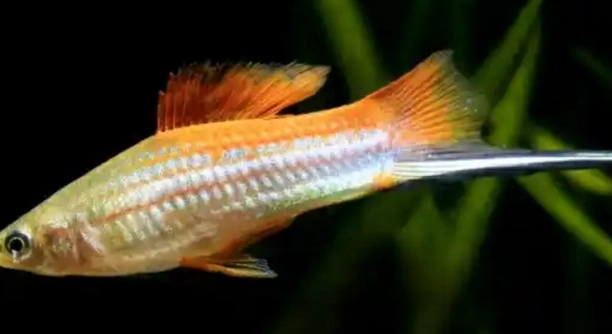
Swordtails are known for their vibrant colors, but sometimes, they may appear dull. There are several factors that can affect the brightness of their hues, impacting their overall appearance. Understanding these causes can help improve their vibrancy.
The dullness in a swordtail’s color is often due to factors such as poor water quality, inadequate nutrition, stress, or genetic variations. Additionally, certain environmental conditions like temperature fluctuations and lighting can also contribute to their lack of vibrancy.
Several simple changes to their habitat or diet can help restore their natural colors. Keep reading to discover the main reasons why your swordtail might not be as colorful as you’d expect.
Poor Water Quality
One of the most common reasons for swordtails looking dull in color is poor water quality. Swordtails, like all fish, are sensitive to changes in their environment, and water conditions play a major role in their overall health and appearance. If the water is too acidic, too alkaline, or has high levels of toxins like ammonia, nitrate, or nitrite, it can stress your fish and cause their colors to fade. Regular water changes and proper filtration are essential to keeping the water clean and maintaining the health of your swordtails.
Maintaining clean, stable water is key to preventing color loss in your swordtails. Without proper care, the stress from poor water conditions can make them look pale and less vibrant.
Make sure to check the water parameters regularly, especially ammonia and nitrate levels. Installing a good filtration system can help remove harmful substances and ensure the water stays clean. A stable pH level is also important, as sudden changes can cause stress and dullness in your fish. Regular water changes every week will also help keep swordtails bright and healthy.
Inadequate Diet
Your swordtail’s color is strongly influenced by its diet. A lack of nutrients, particularly those essential for pigmentation like carotenoids, can cause their colors to fade. Swordtails require a balanced diet that includes a mix of high-quality flakes, pellets, and occasional live or frozen foods. Foods rich in carotenoids, like spirulina, can enhance their natural pigmentation and help them maintain vibrant colors.
A proper diet is just as important for your swordtail’s appearance as it is for their health. Without the right nutrients, the colors can become dull over time.
In addition to carotenoids, swordtails also benefit from a variety of protein-rich foods that help them stay strong and energetic. When their diet lacks essential vitamins and minerals, it may directly affect their color and overall well-being. Feeding them a varied, balanced diet ensures that they receive the nutrients they need to thrive and stay colorful. If you notice fading colors, adjusting their diet may be a simple and effective solution.
Stress and Overcrowding
Stress from overcrowding can lead to dullness in swordtails. When there are too many fish in the tank, it increases competition for food and space, causing stress. Overcrowding can also lead to poor water quality, which further impacts their appearance. A stressed swordtail will not display its best colors.
Ensure that your tank is not overstocked, and allow each fish enough space to swim freely. Stress can lower their immune system, making them more susceptible to diseases that can further affect their coloration. Make sure the environment remains peaceful and comfortable.
Try to keep a reasonable number of swordtails based on the size of your tank. A general rule is one inch of fish per gallon of water, which helps prevent overcrowding. Adding hiding spots or decorations in the tank can also give your swordtails areas to retreat, reducing stress. A stress-free environment promotes better coloration and overall health for your fish.
Poor Lighting
Inadequate lighting can make your swordtails appear less vibrant. Fish rely on proper lighting to enhance their colors. If the lighting in your tank is too dim or too harsh, it can affect how the fish look. Bright, indirect lighting tends to bring out their natural hues.
Try using a soft, bright light that mimics natural daylight. This type of lighting encourages the swordtail’s pigments to shine through without being overwhelming. Overhead LED lighting or aquarium lights designed to showcase fish colors are a good choice.
Make sure your tank gets enough light for about 10 to 12 hours a day to help your swordtails’ colors stay bright. Too much light can cause algae growth and stress your fish, while too little light will result in a duller appearance. Adjusting the lighting carefully can go a long way in bringing out the best in your swordtails.
Genetics and Breeding
Genetics can play a big role in the vibrancy of your swordtail’s colors. Some swordtails are simply bred to be less colorful, especially if they’re from a line that doesn’t focus on strong pigmentation. Even if they’re well cared for, they may not achieve the vibrant look you expect.
If you’re looking for swordtails with bright, intense colors, consider selecting fish from breeders who focus on color enhancement. Different strains of swordtails naturally have different levels of pigmentation. Understanding the genetics of the swordtails you’re buying can help set your expectations.
Temperature Fluctuations
Swordtails need a stable temperature to maintain their color. Sudden temperature changes can stress them out and lead to faded hues. If the water is too cold or too hot, it can directly affect their health and the intensity of their colors. Keeping the temperature stable is essential.
Maintaining a consistent temperature within the range of 72–78°F (22–25°C) will help your swordtails thrive and maintain their vibrant colors. A heater with a thermostat can help you regulate the water temperature to prevent sudden fluctuations that can cause stress.
Disease or Illness
If your swordtail is sick, it can affect its appearance, including color. Infections, parasites, or internal diseases may cause the fish to lose their vibrancy. This can happen due to stress, poor water quality, or an underdeveloped immune system. If you notice a dull color, it might be a sign of illness.
When your swordtail shows signs of illness, the first step is to check the water quality and improve any poor conditions. If the fish continues to appear dull or sickly, a trip to a veterinarian specializing in fish or medicated treatment may be necessary.
FAQ
What causes swordtails to lose their color?
Swordtails may lose their color due to a combination of poor water quality, inadequate diet, stress, or genetic factors. Poor water conditions, such as high ammonia or nitrate levels, can lead to stress and color fading. An imbalanced diet lacking necessary nutrients, such as carotenoids, can also dull their colors. Stress from overcrowding or environmental changes like temperature fluctuations can make the fish appear dull. Additionally, genetic traits from breeding may also play a role in the intensity of their colors.
How can I restore my swordtail’s color?
To restore your swordtail’s color, focus on maintaining clean water, providing a balanced diet, and reducing stress. Regular water changes and monitoring water quality can help prevent dullness caused by poor water conditions. Ensure your swordtails are receiving the right nutrients, particularly carotenoids, found in foods like spirulina. Minimize overcrowding and ensure the fish have enough space to swim. Proper lighting that mimics natural sunlight can also enhance their color. Keep a stable temperature in the tank to avoid stress from fluctuations.
What type of food should I feed my swordtails to improve their color?
To improve your swordtail’s color, feed them high-quality fish flakes or pellets that are rich in carotenoids, especially those containing spirulina. You can also add live or frozen foods such as brine shrimp, daphnia, and bloodworms, which provide additional protein and essential nutrients. A varied diet will help ensure they receive all the nutrients necessary for vibrant color.
Can temperature changes affect the color of my swordtail?
Yes, temperature fluctuations can affect the color of your swordtail. Swordtails thrive in stable temperatures between 72–78°F (22–25°C). If the water gets too cold or too hot, it can cause stress, leading to faded colors. Sudden temperature changes can also weaken their immune system, making them more susceptible to diseases that further dull their appearance.
Is lighting important for the color of my swordtail?
Lighting plays a significant role in how vibrant your swordtail’s colors appear. Proper lighting helps bring out their natural hues. A soft, bright light mimicking natural daylight is ideal for showcasing their colors. However, too much light can cause stress and promote algae growth, while too little light can make the fish appear dull. Using appropriate lighting for about 10 to 12 hours a day will help your swordtails maintain their color.
Can stress affect the color of my swordtail?
Stress can definitely affect the color of your swordtail. Overcrowding, poor water quality, and aggressive tank mates can cause stress, leading to a dull or pale appearance. Stress weakens their immune system, making them more prone to illness, which can also cause color fading. Maintaining a peaceful environment with proper space and tank conditions is essential for vibrant colors.
How does overcrowding affect swordtails?
Overcrowding can cause stress, which in turn leads to dull colors in swordtails. When there are too many fish in the tank, they have to compete for food, space, and oxygen. This constant stress can make swordtails look less vibrant. It’s important to follow a stocking rule of about one inch of fish per gallon of water to ensure there’s enough room for each fish to swim freely and thrive.
Are there specific tank conditions that can enhance swordtail color?
Yes, the right tank conditions can significantly enhance your swordtail’s color. Ensure that the water quality is good with regular water changes, proper filtration, and balanced pH levels. Maintaining a stable temperature and providing natural lighting can also help bring out their colors. Additionally, providing hiding spots and plants in the tank can reduce stress and allow swordtails to feel secure, leading to better coloration.
Can the genetic strain of my swordtail affect its color?
Absolutely. The genetic strain of your swordtail plays a major role in the intensity of its color. Some swordtails are bred for vibrant colors, while others may naturally have a more muted appearance. If you want swordtails with brighter, more intense colors, look for breeders who focus on selectively breeding for these traits. Understanding the genetic background of your swordtail can help manage expectations regarding its color.
Why does my swordtail seem dull despite good care?
Even with proper care, some swordtails may still appear dull due to their genetic makeup. Not all swordtails are bred to have bright colors, and certain strains may naturally have less vibrant pigmentation. If your swordtail is from a line known for duller colors, no amount of care or dietary changes will significantly change its appearance. However, you can still improve its health and overall well-being with good water quality, a balanced diet, and a stress-free environment.
Final Thoughts
Swordtails are beautiful fish, and their colors are one of the reasons many people keep them. However, it’s important to remember that several factors can influence how vibrant their colors appear. From water quality to diet and even genetics, each aspect of care plays a role. If your swordtail’s colors are looking dull, it may not be because of one single factor. It could be a combination of things, including stress, inadequate lighting, or poor nutrition. Understanding these factors is key to improving your swordtail’s appearance and overall well-being.
While it can be frustrating to see your fish not displaying the bright colors you were expecting, there are steps you can take to help them look their best. Maintaining a clean and stable environment is one of the most important things you can do. Regular water changes, proper filtration, and a stable temperature all contribute to the health of your swordtails. A well-balanced diet rich in nutrients like carotenoids will also enhance their pigmentation. Don’t forget about the importance of lighting, as this can significantly affect how their colors appear. Proper lighting can help bring out their natural hues and make them shine.
In the end, it’s all about providing the right environment for your swordtails to thrive. While some color issues may stem from genetics and be out of your control, most of the time, improving their care will help them look more vibrant. Regular monitoring of water quality, a varied diet, and reducing stress can go a long way. By making these adjustments, you’ll not only help your swordtails regain their colors, but you’ll also contribute to their long-term health and happiness.

Hello,
If you enjoy the content that we create, please consider saying a "Thank You!" by leaving a tip.
Every little bit helps us continue crafting quality advice that supports the health, happiness, and well-being of pets around the world, for pets of all shapes, sizes, and species.
We really appreciate the kindness and support that you show us!