
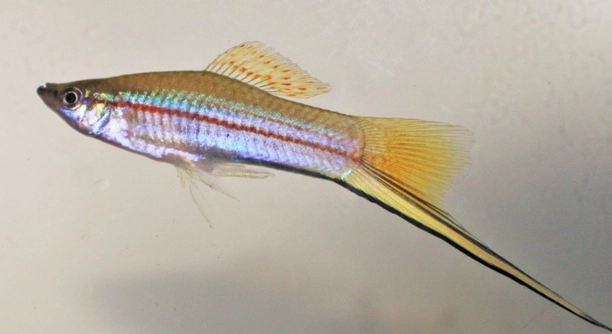
Swordtails are a popular choice for home aquariums due to their vibrant colors and peaceful nature. As a fish owner, you might be concerned about whether these little swimmers can outgrow their tank.
Swordtails generally do not outgrow their tanks if proper care is taken. However, if a tank is too small for their needs, they may not thrive or reach their full potential size. A tank with proper filtration and space is essential for their growth.
Understanding the factors that influence swordtail growth can help you provide the best environment for them. This knowledge ensures your fish stay healthy and comfortable.
Tank Size and Swordtail Growth
Swordtails are small fish, typically reaching around 4 to 6 inches in length when fully grown. However, if their tank is too small, they may become stunted in size. The size of their tank directly influences their ability to grow properly. A cramped space limits their movement, reduces oxygen levels, and can cause stress, all of which may stunt their growth. A general rule of thumb is to provide at least 20 gallons of water for a small group of swordtails. The more space they have, the healthier they will be, and the larger they can grow.
Fish that feel restricted can also experience health issues, such as poor fin development and weaker immune systems. Ensuring that swordtails have a proper-sized tank with plenty of swimming room allows them to grow as nature intended.
Besides the size of the tank, a stable environment with proper filtration, water quality, and regular maintenance also plays a key role in swordtail development. When conditions are ideal, swordtails can thrive and live up to their full potential.
Tank Maintenance and Water Quality
Keeping your tank clean is crucial for swordtail health and growth.
Water quality affects how well swordtails grow. Consistently clean water with stable parameters like pH, temperature, and hardness allows swordtails to grow faster and healthier. Regular water changes, at least 20% once a week, are recommended.
Temperature and Swordtail Growth
Swordtails require a stable water temperature to grow properly.
The ideal temperature for swordtails ranges from 72°F to 78°F (22°C to 26°C). If the water temperature fluctuates too much, it can cause stress, weaken their immune systems, and stunt growth. Maintaining a steady temperature within this range ensures swordtails remain active and healthy. If the water is too cold, swordtails will not be able to digest food properly, slowing their growth. A heater is essential, especially if you live in a cooler climate, to keep the temperature consistent.
It’s also important to monitor temperature changes regularly. Using a reliable aquarium thermometer will help ensure the water stays within the right range. Sudden drops in temperature can affect your swordtail’s health, leading to weakened fins or even diseases. A stable, warm environment promotes better growth, keeping your fish in peak condition.
Diet and Nutrition
A well-balanced diet is essential for swordtail growth.
Swordtails are omnivores, meaning they need both plant-based and animal-based foods. Offering a variety of high-quality flake food, frozen or live brine shrimp, and blanched vegetables ensures they get the nutrients they need. A good diet will not only help swordtails grow but also improve their coloration and overall health. Feeding swordtails 2 to 3 times a day is usually sufficient.
Overfeeding should be avoided, as excess food can pollute the tank and harm the fish. Uneaten food decomposes, leading to water quality issues that can impact growth. Swordtails, like other fish, also need some variety in their diet to stay healthy and prevent nutritional deficiencies. Regularly offering new food options will ensure that they are receiving all the necessary nutrients.
Tankmates and Swordtail Growth
The right tankmates can help swordtails thrive.
Swordtails are peaceful and can live with other non-aggressive species. However, keeping them with overly aggressive or large fish can cause stress, which may slow their growth. Tankmates should not compete for food or space.
Avoid housing swordtails with fish that may nip their fins or create too much disturbance in the tank. It’s better to choose calm species like tetras, mollies, or corydoras catfish. A peaceful environment promotes healthy growth, reduces stress, and ensures swordtails can flourish without the added worry of aggressive companions.
Filtration and Water Movement
Proper filtration is key for swordtail growth.
Swordtails need clean water to thrive, and a good filter helps maintain water quality by removing waste and toxins. Strong filtration ensures oxygen is circulated throughout the tank, which is vital for swordtails’ well-being. The filter should be appropriate for the tank size, ensuring it doesn’t create too much current for the fish.
In addition to filtration, it’s important to avoid strong water movement that could stress swordtails. They prefer a gentle current that allows them to swim comfortably without fighting against the flow. Ensure that the filter is set up to avoid creating turbulence that can make your fish uneasy.
Lighting and Growth
Lighting plays a role in swordtail health and growth.
Swordtails prefer moderate lighting that mimics their natural environment. Intense lighting can stress them out and cause discomfort, while too little light can lead to poor plant growth and water quality. A well-lit tank encourages natural behavior and supports healthy growth for both fish and plants.
Using a timer for the lights can help maintain a consistent light cycle, ensuring swordtails have a regular day and night cycle. This consistency helps regulate their biological rhythms, which can lead to better overall health and growth. Proper lighting also promotes the growth of beneficial bacteria and aquatic plants in the tank, benefiting the ecosystem.
FAQ
Can swordtails live in a 10-gallon tank?
Swordtails can live in a 10-gallon tank, but it’s not ideal for long-term growth. A 10-gallon tank offers limited space for swimming, which may result in stunted growth over time. While they can survive in a 10-gallon tank, they will thrive much better in a larger tank of at least 20 gallons. This extra space gives them room to swim, helps with water quality, and reduces stress. If you’re keeping a single swordtail, a 10-gallon tank may suffice, but for a group or optimal growth, a larger tank is recommended.
What size tank do swordtails need to grow to their full size?
For swordtails to reach their full size, a tank of at least 20 gallons is ideal. The bigger the tank, the more room they have to grow and thrive. In a larger tank, they’ll be able to swim freely, which encourages healthy growth. Keeping a group of swordtails in a well-maintained 20-gallon tank can also help them develop better coloration and healthier fins. If you plan on adding tankmates, a bigger tank is necessary to ensure the space is sufficient for all species. Swordtails generally grow to around 4 to 6 inches, but adequate tank space is crucial for them to reach their maximum size.
How often should I feed my swordtails?
Swordtails should be fed 2 to 3 times per day, offering only as much food as they can eat in a few minutes. Overfeeding can lead to water pollution, affecting their health and growth. Feed them a varied diet that includes high-quality flakes, frozen or live brine shrimp, and occasional vegetables like blanched spinach or zucchini. Make sure to remove any uneaten food to maintain water quality. Regular feeding ensures swordtails get the proper nutrients, helping them grow efficiently and stay healthy. Be mindful of their portion sizes to avoid water contamination, which can harm them.
Can swordtails live with other fish?
Yes, swordtails are generally peaceful and can live with other non-aggressive fish. They do well with species like tetras, mollies, corydoras catfish, and other community fish. However, they should not be kept with aggressive species or fish that may nip their fins, like bettas or fin-nipping species. Tankmates should not compete for space or food, as this could lead to stress and hinder swordtail growth. Always choose compatible tankmates to ensure that all fish can live harmoniously and reduce the risk of stress or injury.
Do swordtails need live plants in their tank?
Live plants are not required, but they do offer many benefits. Swordtails enjoy having plants in their environment as they provide hiding spots, natural oxygen production, and help maintain water quality. Plants like java ferns, moss, and hornwort are great for swordtails. They also create a more natural, aesthetically pleasing habitat. Live plants help reduce algae growth by competing for nutrients, and they improve the tank’s overall ecosystem. If you prefer not to have live plants, you can still use silk or plastic plants, but live ones will contribute positively to both swordtail health and tank stability.
How can I tell if my swordtail is stressed?
Stressed swordtails may show several signs, including faded colors, erratic swimming behavior, loss of appetite, and excessive hiding. If a swordtail is constantly hiding or swimming near the surface, it may be an indicator that it’s stressed. Stress can be caused by poor water quality, overcrowding, aggressive tankmates, or fluctuating water temperatures. If you notice any of these signs, it’s important to assess the tank conditions immediately and make adjustments to improve the environment. Reducing stress will help swordtails thrive and maintain their vibrant colors and healthy growth.
What temperature should I keep my swordtail tank at?
Swordtails prefer a water temperature between 72°F and 78°F (22°C to 26°C). Keeping the tank within this range ensures that the fish are comfortable and their metabolic processes work efficiently. If the temperature fluctuates too much, swordtails can become stressed, and their growth may be stunted. Using an aquarium heater is often necessary to maintain a consistent temperature, especially in cooler environments. Monitoring the water temperature regularly with a reliable thermometer will help avoid any sudden changes that could stress your fish.
How can I prevent swordtails from breeding too much?
Swordtails are livebearers and can breed quite easily in a community tank. If you want to prevent excessive breeding, you should either separate males and females or add only one male to the tank with multiple females. Too many males can result in constant chasing and stress for the females, which may hinder their growth and health. If you do not want babies, consider using a breeding box or removing the pregnant females before they give birth. Some aquarists also opt for keeping only same-sex swordtails to avoid accidental breeding altogether.
Are swordtails hardy fish?
Yes, swordtails are generally considered hardy fish. They can adapt to a range of water conditions and are less sensitive to fluctuations in water parameters than some other species. However, this does not mean that they can survive in poor conditions. Swordtails still need proper care, including regular water changes, a balanced diet, and an adequately sized tank to thrive. Providing them with a stable environment will allow them to reach their full growth potential and stay healthy for many years. Even though they are resilient, it’s important to maintain a clean, stable environment to avoid potential health issues.
Final Thoughts
Swordtails are relatively easy to care for, making them a great option for both beginners and experienced aquarists. They are hardy fish that can adapt to a variety of water conditions, but that doesn’t mean they can thrive in any environment. Providing them with a suitable tank size, proper water quality, and a balanced diet are essential for their growth and overall health. While they can survive in smaller tanks, they truly thrive in larger ones, where they have space to swim and grow to their full potential.
Maintaining water quality and temperature is one of the most important factors in ensuring swordtails grow properly. Water that is too cold, too warm, or improperly filtered can cause stress and health issues, which can stunt their growth or make them more susceptible to diseases. It’s crucial to regularly test the water and ensure that the tank is well-maintained. Having the right filtration system will also help maintain a healthy tank environment, reducing the chances of contamination that could harm the fish.
Swordtails are peaceful fish that generally get along with other non-aggressive species, but choosing the right tankmates is also key to their well-being. Avoiding overcrowding and ensuring that other fish in the tank don’t compete for space or food can make a big difference in how well your swordtails grow. Their diet is another factor that can’t be overlooked. Offering a variety of nutritious foods helps them grow strong, vibrant, and healthy. By providing swordtails with a stable, clean environment, appropriate tankmates, and a good diet, they can reach their full potential and live long, happy lives.

Hello,
If you enjoy the content that we create, please consider saying a "Thank You!" by leaving a tip.
Every little bit helps us continue crafting quality advice that supports the health, happiness, and well-being of pets around the world, for pets of all shapes, sizes, and species.
We really appreciate the kindness and support that you show us!