
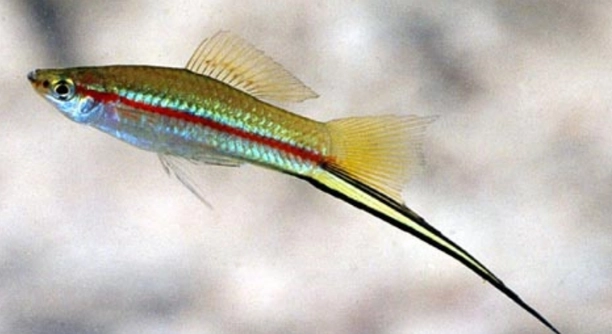
Swordtails are fascinating creatures, and you may have noticed them swimming together in groups. Their behavior can raise curiosity about whether they follow each other intentionally or if it’s just part of their nature.
Swordtails tend to swim in groups, often appearing to follow one another. This behavior is driven by instincts for protection, social bonding, and navigation rather than deliberate following. It’s a natural response to their environment.
Their group swimming behavior involves more than just following—it’s a mix of survival instinct and natural social tendencies. Keep reading to understand the dynamics behind their behavior and how they interact in their underwater world.
Why Swordtails Swim in Groups
Swordtails are known for their strong social nature. In the wild, they often swim together in schools, which serves several purposes. One of the main reasons they group up is for safety. Being in a group increases their chances of survival against predators, as the school creates a confusing and overwhelming visual for any threat.
Swimming in groups also helps swordtails with social interaction. These fish communicate and bond with each other through their behavior. By sticking together, they ensure they stay within close range of potential mates or other members of their school.
Moreover, when swordtails swim in a group, they often appear to follow one another, though it’s more of a communal activity rather than direct following. It’s about being part of a safe and connected environment, which is crucial for their well-being.
Swordtails and Their Navigation
Swordtails rely on their group to help with navigation, too. In the wild, they use the movements of their school to find food or navigate to different areas. Swimming together allows them to move efficiently through their environment.
The social behavior exhibited by swordtails also helps them maintain structure in their movements. It ensures that they don’t get isolated, which could make them more vulnerable to danger. Their natural instincts push them to stay together, forming a tight-knit group.
This tendency is also visible in aquarium settings. Swordtails may swim closely with other species or even follow the movements of other fish in the tank. It’s a mix of instinct and the comfort they find in swimming together, reinforcing that sense of security.
Social Structure in Swordtail Groups
Swordtails form strong social bonds within their schools. These fish thrive in groups because of the comfort and safety they provide each other. The social structure is crucial for their well-being. In a group, they feel secure, with their behavior being heavily influenced by the presence of others.
Within the school, swordtails establish their positions based on size, strength, and sometimes even color. Larger or more dominant fish tend to take the lead. The group’s structure helps maintain order and promotes smoother movement as they swim. This ensures everyone stays together, reducing the risk of isolation.
However, the group isn’t always uniform. Swordtails still have individual personalities and preferences, but they follow the general rhythm of the school. In this way, they balance both their individual needs and the safety that comes with being part of a group. This group behavior is instinctive, showing their reliance on collective movement.
Swordtails in Aquarium Settings
Swordtails behave in similar ways whether in the wild or in an aquarium. In a tank, they still prefer to swim in groups, which is why they thrive best in schools of at least five or six. When kept alone, they can become stressed and anxious.
Their behavior can change slightly depending on their environment. In smaller tanks, they may stay close to each other, constantly moving together. However, in larger tanks, swordtails have more space to explore, though they will still group up for comfort and safety. Maintaining a proper school in a tank creates a more natural and comfortable setting for them.
If your tank has a variety of other fish, swordtails will often school with similar species or those they feel comfortable around. Their social behavior remains consistent in both small and large environments, reflecting their natural instincts to stay within a group.
Following Behavior in Swordtails
Swordtails do follow each other to some extent, but it’s not a deliberate or conscious action. They instinctively stick together for safety and comfort. The appearance of following is part of their natural school behavior, where they swim in close proximity.
This following behavior is driven by the instinct to stay within the school. It helps reduce stress and keeps them protected from predators. When swordtails swim together, they often appear to follow the fish in front of them, maintaining a continuous movement.
Swordtails and Their Mating Behavior
Swordtails also follow each other during mating rituals. Male swordtails often swim closely to females to attract them. They use their bright colors and long tails to signal interest. These interactions are vital for reproduction, ensuring that the males get close enough to mate with the females.
While males are attracted to females, it’s not all about following. Swordtails use both physical and behavioral cues to communicate with each other during mating. Male swordtails may chase females, trying to get their attention or impress them.
Impact of Tank Size on Swordtail Behavior
The size of the tank can influence how swordtails group up. In larger tanks, they have more space to swim freely, but they will still tend to stay together. Smaller tanks may cause them to stay closer for comfort and security. The space available doesn’t change their instinct to school.
FAQ
Do swordtails always swim together?
Swordtails prefer to swim in groups, but they don’t always do so. In the wild, they tend to school for protection from predators, and in an aquarium, they still show this behavior. However, they can swim alone when necessary, especially if the group isn’t close by. The key is that they feel safer and more comfortable in groups, so they naturally tend to stay together.
How many swordtails should be kept together?
It’s best to keep at least five or six swordtails in a tank. This creates a balanced group, allowing them to feel secure and less stressed. A smaller number might not give them enough comfort, and keeping just one can lead to anxiety. Larger groups are fine, but it’s essential to have enough space for the fish to swim around.
Can swordtails school with other fish?
Swordtails are social fish, and they tend to school with other swordtails or fish of similar behavior. In community tanks, they might school with other peaceful fish, particularly those that swim in similar patterns. It’s important to choose tank mates that aren’t too aggressive or territorial to avoid disrupting their natural schooling behavior.
Do swordtails follow the leader in their group?
While swordtails seem to follow each other, they don’t follow a specific leader in the group. The fish swim together instinctively, staying close for safety. Larger or dominant swordtails may be in the front, but the group doesn’t have a defined leader like some other species. Their movement is more about collective behavior than leadership.
Why do swordtails swim in circles?
Swordtails may swim in circles or figure-eight patterns for several reasons. It’s often part of their social behavior, especially when they feel secure in a group. This movement helps them stay in close contact with other members of the school. Sometimes, they swim in circles as a way to check their surroundings for predators or other threats.
Are swordtails active swimmers?
Yes, swordtails are active swimmers. They are constantly moving around, especially in a tank with enough space. Their active nature is part of their instinct to keep in constant motion and avoid predators. In a natural environment, they swim across large areas, constantly foraging for food and staying alert to dangers.
How can I encourage swordtails to school together in my aquarium?
To encourage swordtails to school together, ensure that the tank has enough space and a stable environment. Swordtails feel more secure when they have hiding spots and plants to swim around. Maintaining a consistent water temperature and water quality will also reduce stress and promote schooling behavior. Avoid placing aggressive fish in the tank as they can disrupt the natural behavior of swordtails.
Can swordtails recognize other fish in their group?
Swordtails likely recognize other fish in their group, especially those they have spent time with. While they don’t have a strong sense of individual identification, they can likely distinguish between familiar and unfamiliar fish. Swordtails rely more on behavioral cues and instincts rather than individual recognition to interact with others in their school.
How do swordtails communicate within their group?
Swordtails communicate through body language and subtle movements. They use their tails and fins to signal other fish and to stay in sync with the group’s movements. When swordtails swim together, they often mirror each other’s actions, which creates a sense of harmony within the school. They also communicate during mating displays, where males will use their fins and bright colors to attract females.
Do swordtails swim near the surface or the bottom of the tank?
Swordtails are typically mid-level swimmers, but they can move around all areas of the tank. They may swim near the surface, especially during feeding times or when they feel comfortable. At times, swordtails might swim closer to the bottom if they’re looking for food or exploring their environment. The key is that they are constantly moving throughout the tank.
How do swordtails behave when they are stressed?
When swordtails are stressed, they tend to swim erratically or stay close to the tank’s edges. They may also become more aggressive toward other fish or withdraw from the group. Stress can be caused by poor water conditions, overcrowding, or the presence of aggressive fish. To prevent stress, ensure that the tank environment is calm, clean, and spacious enough for all fish.
Do swordtails prefer certain water conditions?
Swordtails prefer slightly alkaline water with a temperature range of 72 to 82 degrees Fahrenheit. They thrive in water that is well-oxygenated and clean, so regular water changes are essential. Swordtails are adaptable, but maintaining stable water conditions is crucial to avoid stress and keep them healthy.
What should I feed swordtails to keep them healthy?
Swordtails are omnivores and do well on a balanced diet. They eat flakes, pellets, and frozen or live food, including brine shrimp, daphnia, and vegetable matter. Feeding them a varied diet helps maintain their health, and it’s important to feed them small amounts multiple times a day to prevent overfeeding.
Can swordtails live with other species?
Swordtails can live peacefully with other non-aggressive species, especially those that share similar water requirements and swimming patterns. However, they may become stressed around overly aggressive fish. It’s best to pair them with other peaceful fish that don’t compete for food or territory, ensuring a harmonious aquarium environment.
Final Thoughts
Swordtails are naturally social fish that thrive in groups. Their instinct to school provides them with comfort and safety in both the wild and in aquariums. While it may seem like they are deliberately following each other, it is more about a collective behavior driven by survival instincts and a need for social interaction. Swimming together helps swordtails feel secure, protecting them from potential predators. In tanks, swordtails will often stay close to each other, forming a tight-knit group to ensure they remain safe and comfortable.
Although swordtails do show a tendency to stick together, it’s not always a strict following behavior. They don’t have a leader like some other species of fish. Instead, their schooling behavior is based on instinct, and the fish swim together for protection, social bonding, and overall well-being. The dynamics of their group are shaped by size, strength, and sometimes even color, but they rely on one another for support. They move as a group, mimicking each other’s actions, which is essential for their social cohesion.
Whether in the wild or in a home aquarium, swordtails adapt well to group living. For them to thrive in a tank, it’s important to have a few other swordtails or peaceful fish around. This ensures they feel less stressed and can maintain their natural behaviors. A tank with a good number of swordtails will help them feel more at ease, and a larger tank will allow them the space to move freely without feeling cramped. Understanding their natural instincts and social needs is key to creating the ideal environment for these vibrant and energetic fish.

Hello,
If you enjoy the content that we create, please consider saying a "Thank You!" by leaving a tip.
Every little bit helps us continue crafting quality advice that supports the health, happiness, and well-being of pets around the world, for pets of all shapes, sizes, and species.
We really appreciate the kindness and support that you show us!