
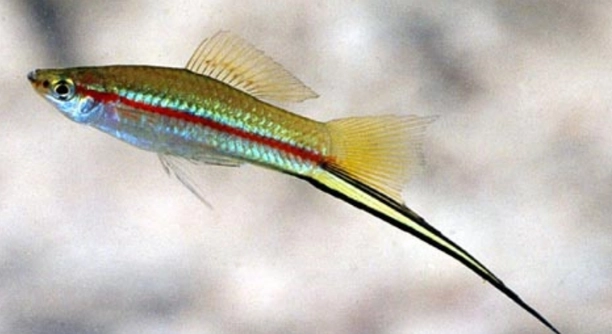
Setting up a swordtail tank can be exciting for any beginner, but it’s easy to make a few mistakes along the way. These fish are vibrant and lively, but they require proper care to thrive. Avoiding common errors is key to keeping them healthy.
New swordtail tank owners often face challenges with water conditions, overstocking, and improper filtration. Understanding their needs for space, water quality, and tankmates is essential. Simple adjustments in care can prevent many beginner mistakes.
Addressing these common issues early on can lead to a happy, thriving swordtail tank. Learning from these mistakes will help ensure your fish enjoy a comfortable and stable environment for the long term.
Water Quality: A Critical Factor
Water quality is one of the most important aspects of swordtail care. These fish thrive in clean, well-maintained water, which helps keep them healthy and active. Poor water conditions can lead to disease, stress, and even death. Regular testing of pH, ammonia, nitrite, and nitrate levels is crucial.
Many beginners overlook the need for a good filtration system. Without proper filtration, waste and excess food build up, quickly affecting the water quality. This can result in harmful toxins that are dangerous for your swordtails. Consistent water changes, approximately 20-30% weekly, help maintain a stable environment.
In addition, it’s essential to check the temperature regularly. Swordtails prefer water temperatures between 72°F and 78°F. Extreme fluctuations can stress them, making them more vulnerable to diseases. Be mindful of the water temperature when performing water changes, as cold or hot water can shock the fish.
Overstocking: Less Is More
Overcrowding is another common mistake when setting up a swordtail tank. Keeping too many fish in a small space can lead to stress, competition for resources, and deteriorating water quality.
To ensure a healthy environment, follow the rule of one inch of fish per gallon. Swordtails can grow up to 4 inches, so a 20-gallon tank should only house 4-5 adult swordtails. Larger tanks allow for more fish, but be mindful of the tank’s carrying capacity. Overcrowding can also increase the chances of aggression among tankmates, affecting their well-being.
Additionally, ensure your tank has sufficient space for swordtails to swim freely. Avoid adding too many plants or decorations that may block swimming areas. Your fish will need space to stay active and healthy. Reducing the number of swordtails in the tank will significantly improve their overall health and happiness.
Inadequate Filtration
Choosing the right filter is essential for maintaining a swordtail tank. A filter that doesn’t match the tank size or water volume won’t be able to clean the water properly. Without adequate filtration, debris, excess food, and fish waste accumulate, which quickly leads to poor water quality.
When selecting a filter, ensure it’s rated for your tank size. A filter that’s too weak will not remove toxins effectively, while one that’s too powerful can create strong currents that stress your fish. Regular maintenance of the filter is equally important. Clean the filter media every month to prevent clogging, but avoid over-cleaning, which can remove beneficial bacteria.
Filters are not just for debris. They also help maintain the nitrogen cycle, which keeps harmful toxins like ammonia and nitrite at safe levels. Ensure your filter provides both mechanical and biological filtration to promote a healthy environment for your swordtails.
Incorrect Tankmates
Selecting the wrong tankmates for swordtails can lead to stress or even aggression. Swordtails are peaceful but can become territorial, especially in smaller tanks. Avoid keeping them with overly aggressive species or fish that occupy the same space.
To prevent stress, choose tankmates that are similar in size and temperament. Other peaceful fish like tetras, mollies, and corydoras are good companions. Avoid pairing them with fish known for nipping fins or competing for food. Overcrowding is another factor to consider, as swordtails can become more aggressive when they feel cramped.
Always research the needs and behaviors of potential tankmates before adding them. This way, you ensure that each species can coexist peacefully. Monitoring the tank closely for any signs of aggression or stress will help you intervene before issues escalate.
Overfeeding
Overfeeding swordtails is a common mistake. It leads to excess food rotting in the tank, which can quickly pollute the water. Fish may also become overweight and suffer from related health issues, including swim bladder problems.
To avoid overfeeding, feed your swordtails only what they can consume in 2-3 minutes. Remove any leftover food promptly to prevent decay. Swordtails are active and will eat quickly, so it’s easy to get carried away, but moderation is key.
Also, vary their diet. Offering a mix of high-quality flakes, pellets, and occasional live or frozen food ensures they get proper nutrition.
Poor Lighting
Swordtails require a consistent light cycle to mimic their natural environment. Insufficient light can cause stress, while erratic lighting schedules confuse their biological rhythms.
Ensure your tank receives 10-12 hours of light daily. A timer can help maintain a regular light cycle, so your fish feel secure. Too much light can encourage algae growth, so consider using a dimmer or low-wattage bulb for better control.
A good light setup also benefits live plants in the tank, improving water quality and providing additional hiding spots for your swordtails.
Inconsistent Tank Maintenance
Neglecting regular maintenance can lead to problems with water quality, filtration, and general tank health. It’s important to stick to a cleaning schedule.
Perform weekly water changes of 20-30% to keep the environment stable. Clean decorations and substrate every few weeks to remove debris. A consistent cleaning routine prevents the buildup of harmful substances, ensuring a healthier tank for your swordtails.
FAQ
How often should I feed my swordtails?
Swordtails should be fed once or twice a day, offering only as much food as they can eat in about two to three minutes. Overfeeding can lead to poor water quality and health issues for the fish. If you notice uneaten food, remove it promptly to prevent decay.
Can swordtails live with other fish?
Yes, swordtails are generally peaceful fish. They can live with other calm species such as mollies, tetras, and corydoras. Avoid aggressive fish or those that might nip at their fins, as swordtails can become stressed or territorial in smaller tanks. Always ensure tankmates are compatible in size and temperament.
What water conditions do swordtails prefer?
Swordtails thrive in slightly alkaline water with a pH level between 7.0 and 8.0. They also prefer a temperature range of 72°F to 78°F. Regular water testing for ammonia, nitrites, and nitrates will help ensure they stay in a safe environment. Water changes of 20-30% weekly help maintain good quality.
How can I tell if my swordtail is healthy?
A healthy swordtail will be active, swim freely, and have bright, clear coloration. Look for signs such as clear eyes, intact fins, and an overall smooth, strong appearance. If your swordtail is sluggish, has faded colors, or exhibits abnormal behavior, it may be stressed or ill.
Do swordtails need a lot of space?
Swordtails require ample swimming space to thrive. A 20-gallon tank is ideal for a small group of swordtails. For every additional fish, you’ll need to increase the tank size by 10 gallons. Overcrowding can lead to stress and health problems.
How do I breed swordtails?
Breeding swordtails is relatively easy since they are livebearers. To breed them, maintain a separate breeding tank with proper water conditions. Female swordtails are pregnant for about 4-6 weeks, and they will give birth to live fry. Provide hiding spots for the fry to protect them from being eaten by adults.
Can swordtails live without a filter?
While swordtails can survive short periods without a filter, it’s not recommended for long-term care. A filter helps maintain water quality by removing waste and toxins. Without a filter, you’ll need to perform more frequent water changes to ensure a clean environment for the fish.
What do I do if my swordtail is sick?
If your swordtail shows signs of illness, isolate it in a quarantine tank to prevent the spread of disease. Common symptoms include faded colors, loss of appetite, abnormal swimming, or lesions on the body. Consult with an aquarium professional for proper diagnosis and treatment.
Why are my swordtails fighting?
Swordtails are generally peaceful, but they can become territorial, especially in smaller tanks. If males are competing for females or space, they may fight. Providing plenty of hiding spots and maintaining a proper male-to-female ratio (1 male to 2 or 3 females) can help reduce aggression.
How do I maintain water quality in my swordtail tank?
Regular water changes (20-30% weekly), proper filtration, and consistent water testing are key to maintaining good water quality. Avoid overfeeding and remove any uneaten food to prevent water contamination. Use a quality filter and ensure it’s appropriate for your tank size.
How long do swordtails live?
Swordtails typically live for about 3 to 5 years with proper care. Ensuring stable water conditions, a balanced diet, and a suitable tank environment can help your swordtails live a long, healthy life.
What size tank do swordtails need?
Swordtails need at least a 20-gallon tank to thrive. The larger the tank, the better, as it allows for more fish and reduces stress. If you have multiple swordtails or other species, a 30-gallon or larger tank is recommended.
What should I do if my swordtail is pregnant?
When your swordtail is pregnant, you can either leave her in the main tank or move her to a separate breeding tank. Ensure the water quality is optimal and add plenty of hiding spaces for the fry. Once the babies are born, move them to a separate tank to avoid predation by adults.
Are swordtails hardy fish?
Yes, swordtails are relatively hardy and can adapt to a range of conditions. However, like any fish, they require proper care, water quality, and tankmates to stay healthy. Avoid extreme fluctuations in water temperature and pH, as this can cause stress.
Can I keep swordtails with live plants?
Yes, swordtails can live with live plants. In fact, plants provide many benefits, including hiding spots and improved water quality. Choose plants that do not take up too much swimming space, such as Java fern or Anubias. Make sure the plants are suited to the lighting and water conditions of your tank.
How do I know if my swordtail is male or female?
Male swordtails typically have a long, pointed tail fin, which is where they get their name. Females have shorter, rounded fins and are usually larger than males. The males are also more colorful and may display more aggressive or territorial behavior.
What is the best diet for swordtails?
Swordtails are omnivores and thrive on a varied diet. Offer a mix of high-quality flake food, pellets, and live or frozen food like brine shrimp or daphnia. This ensures they get all the necessary nutrients for health and growth.
Can swordtails survive in brackish water?
Swordtails can tolerate slightly brackish water, but they prefer freshwater conditions. If you want to introduce a small amount of salt, it should be done gradually, and the salinity should remain low. Avoid full saltwater conditions, as this can stress the fish.
Final Thoughts
Caring for swordtails can be a rewarding experience if you provide them with the right environment and care. These active and colorful fish can thrive in a well-maintained tank, where the water conditions are stable, and they are fed the appropriate amount of food. Regular tank maintenance, proper filtration, and careful attention to their diet will ensure they remain healthy and active. It’s also essential to keep an eye on water quality, as poor conditions can lead to stress and illness in your fish.
When it comes to swordtail breeding, it’s important to consider the space and resources you can provide. Swordtails breed readily, so if you plan to have both males and females, be prepared for baby swordtails. Having a separate breeding tank can help protect the fry from being eaten by adults. Also, ensuring a good balance of males and females will reduce aggression in the tank. Providing plants and hiding spots for the young fish will give them the best chance of survival.
Overall, swordtails are relatively easy to care for and can live peacefully with other community fish. While they are hardy, swordtails still need a stable and clean environment to thrive. By following the basic care guidelines, such as proper feeding, water changes, and maintaining the right temperature, you can enjoy watching these beautiful fish flourish in your aquarium for years to come.

Hello,
If you enjoy the content that we create, please consider saying a "Thank You!" by leaving a tip.
Every little bit helps us continue crafting quality advice that supports the health, happiness, and well-being of pets around the world, for pets of all shapes, sizes, and species.
We really appreciate the kindness and support that you show us!