
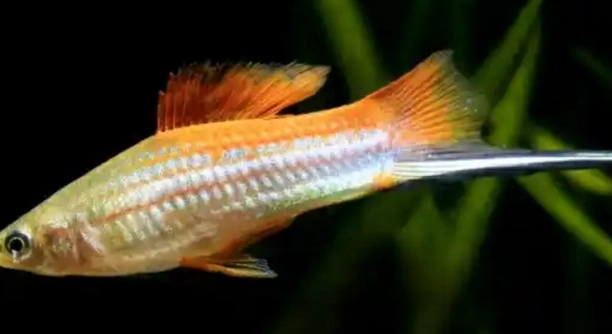
Swordtails are popular freshwater fish that many enthusiasts keep in home aquariums. As they age, their behaviors and needs may change, raising questions for those observing their growth. Understanding how these changes occur can help improve their care.
Swordtails undergo various behavioral changes as they age. Younger swordtails are more active and social, while older individuals may become less aggressive and more territorial. These behavioral shifts are influenced by factors such as age, size, and environmental conditions.
Understanding how swordtails behave as they grow older can enhance the care provided to them. These insights can also help improve their well-being and overall aquarium environment.
Swordtail Growth Stages and Behavior
As swordtails grow, their personalities and behaviors change. In the early stages, they are active and curious, constantly swimming and exploring their environment. Young swordtails are social and often swim in groups, interacting with their tank mates. As they reach maturity, their behavior may start to shift. This can include a decrease in social interaction and an increase in territorial behavior, especially in males. The transition from juvenile to adult often brings subtle changes, with swordtails becoming more focused on finding food and maintaining their space in the tank.
In addition to social changes, the physical growth of swordtails also affects their behavior. Larger swordtails often require more space, and their swimming patterns may become slower or more deliberate. This stage can also bring increased aggression, particularly when males compete for territory. Such shifts may influence how they interact with their tank mates.
When swordtails reach their later years, they may show signs of slower movement and less interest in socializing. Their behavior becomes more solitary, and their interactions with other fish decrease significantly. The behavior of older swordtails is influenced by both natural aging processes and the environmental factors within the tank.
Environmental Impact on Swordtail Behavior
Environmental conditions can have a significant impact on swordtail behavior as they age. Water temperature, tank size, and the presence of tank mates all play a role in how swordtails act over time. Fish that live in an environment with unstable water quality may become stressed and display abnormal behavior.
Changes in tank conditions can result in more noticeable shifts in swordtail behavior. Swordtails exposed to poor water quality may become lethargic or less active. In contrast, those living in a well-maintained tank are more likely to remain active for longer periods. Maintaining proper water conditions, such as temperature and pH levels, can help reduce stress and keep swordtails healthier. Additionally, the type of fish they share the tank with influences how comfortable they feel, which in turn impacts their behavior. If their environment becomes too stressful, swordtails may exhibit more aggressive tendencies or show signs of distress.
Swordtail Social Behavior
As swordtails age, their social dynamics evolve. Juveniles are typically more active and social, swimming in groups and interacting frequently with other tank mates. However, as they mature, males often become more territorial, especially when they reach sexual maturity.
Older swordtails may show reduced social interaction, preferring solitude. This territorial behavior can also lead to increased aggression towards other males. In a well-balanced tank, these behaviors are typically manageable. However, when males feel their space is threatened, they can become more combative, especially if there are competing males nearby. To reduce aggression, providing plenty of hiding spots and maintaining a healthy tank environment is essential.
As swordtails age, the need for constant social interaction fades, and their behavior becomes more focused on maintaining personal space. This can sometimes create tensions in a community tank. Ensuring there are plenty of areas for swordtails to retreat and rest can help minimize conflicts.
Aggression in Older Swordtails
Aggression tends to increase as swordtails grow older, particularly among males. As their territorial instincts become more prominent, they often assert their dominance over other males. This change is a natural part of their aging process.
Older males, in particular, may become less tolerant of other males in the tank, especially if they feel their territory is being threatened. During mating seasons, this aggression can intensify, with males fighting to secure the best space or female attention. Monitoring their interactions closely can help prevent severe conflict. By introducing more hiding spots or additional plants, you can give your swordtails the opportunity to establish their own areas. Keeping the tank environment stable can also help reduce stress, leading to less aggression overall.
Swordtail Diet Changes with Age
As swordtails age, their dietary needs can change. Younger swordtails tend to have a higher metabolism and require more frequent feedings. As they grow older, their activity levels decrease, and their dietary needs become less demanding.
Older swordtails may also become more selective with food. They might refuse certain types of food or show less enthusiasm when feeding. To ensure they are getting the proper nutrients, consider offering a varied diet, including pellets, frozen food, and occasional live foods. Overfeeding should be avoided, as it can lead to health issues.
Maintaining Swordtail Health
Maintaining swordtail health is essential as they age. Water quality plays a significant role in their well-being, and it becomes even more important as they grow older. Regular water changes are crucial for keeping the tank environment stable.
Proper filtration ensures the water stays clean, reducing the risk of infections or stress-related health issues. The temperature should be monitored closely, as swordtails are sensitive to fluctuations. Keeping the tank clean and free from excess waste will help prevent water quality issues and ensure your swordtail thrives as it ages.
Swordtail Lifespan and Care
Swordtails generally have a lifespan of 3 to 5 years, although some may live longer with excellent care. As they approach their later years, swordtails may experience a decrease in energy levels, slower movements, and reduced feeding habits. Regular monitoring is essential for detecting any potential health concerns.
FAQ
Do swordtails change color as they age?
Yes, swordtails can change color as they grow older. Juvenile swordtails often have brighter, more vibrant colors. As they mature, especially males, their colors may become more subdued, and the intensity can vary depending on their environment. This change is normal and doesn’t typically affect their health.
At what age do swordtails reach maturity?
Swordtails typically reach maturity between 4 to 6 months of age. At this point, males begin to develop their sword-like tails and show more territorial behavior. Females can also become visibly larger as they reach reproductive maturity.
Do swordtails get slower as they age?
Yes, swordtails tend to slow down as they grow older. Juvenile swordtails are very active and quick swimmers, but as they age, their activity levels decrease. Older swordtails may swim more slowly and spend more time resting near the bottom of the tank. This decrease in speed is a natural part of the aging process.
How do I know if my swordtail is unhealthy?
Signs of an unhealthy swordtail can include a loss of color, erratic swimming patterns, visible wounds or lesions, and refusal to eat. If your swordtail is isolated or showing signs of stress like rapid gill movement or floating at the surface, it could be a sign of illness. Keeping the tank water clean and stable is key to preventing health issues.
Can swordtails live with other fish?
Swordtails can live peacefully with many other species, especially those that are calm and non-aggressive. Ideal tank mates include guppies, mollies, and tetras. Avoid keeping them with overly aggressive fish or species that might nip at their fins, such as fin-nipping species.
How often should I feed my swordtail?
You should feed your swordtail once or twice a day, offering small amounts of food that they can consume in a few minutes. Overfeeding can lead to water quality issues and health problems. Be sure to remove any uneaten food after feeding to prevent it from decaying in the tank.
Do swordtails need special care as they get older?
Older swordtails require more attention to water quality and diet. They may become more sensitive to changes in temperature or water conditions, so maintaining a stable tank environment is crucial. They may also need a more varied diet to meet their nutritional needs as their metabolism slows down.
What temperature should the water be for swordtails?
Swordtails thrive in water temperatures between 72°F and 82°F (22°C to 28°C). Keeping the water temperature stable is important for their health, especially as they age. Fluctuating temperatures can stress them out, making them more susceptible to diseases.
Do swordtails breed throughout their life?
Swordtails can breed throughout their lives, although their reproductive capabilities may decline as they age. Females may stop giving birth as they grow older, and males may become less aggressive in courting. The frequency of breeding can also decrease with age.
How can I reduce aggression in older swordtails?
To reduce aggression, provide plenty of hiding spots and plants in the tank. This gives older swordtails a chance to claim their own space and avoid conflicts. If aggression persists, consider separating males to prevent fights. Reducing stress factors like overcrowding can also help minimize territorial behavior.
How long do swordtails live in a tank?
Swordtails typically live 3 to 5 years in captivity, though with proper care, they can live longer. The lifespan of a swordtail depends on factors such as water quality, diet, and general tank conditions. Keeping the tank environment stable and free of stress will help your swordtail live a long, healthy life.
Can swordtails live in a tank with plants?
Yes, swordtails can thrive in tanks with live plants. In fact, plants can help create a more natural environment for them by offering hiding places and improving water quality. Swordtails enjoy swimming through plants, and the plants can help reduce aggression by providing plenty of space for each fish.
How do I know if my swordtail is male or female?
Male swordtails are smaller than females and have a distinctive elongated tail fin, which gives them the “sword” appearance. Females are larger and rounder, especially as they mature, and they lack the sword-shaped tail. Additionally, males are often more colorful and display more active behaviors when interacting with tank mates.
Should I quarantine new swordtails?
Yes, it’s a good idea to quarantine new swordtails before introducing them to your main tank. This helps prevent the spread of diseases and parasites that may be present. Keeping them in quarantine for at least two weeks allows you to monitor for any signs of illness before adding them to your established tank.
What type of food is best for swordtails?
Swordtails benefit from a balanced diet that includes high-quality flakes or pellets, along with occasional live or frozen food such as brine shrimp or daphnia. A varied diet helps ensure they receive all the necessary nutrients for healthy growth and development. Avoid overfeeding to maintain good water quality.
Can swordtails live in freshwater or saltwater?
Swordtails are freshwater fish and should be kept in freshwater tanks. They are not suited for saltwater environments. It is essential to maintain the right water conditions, including salinity, for their health. Keeping swordtails in a well-maintained freshwater tank ensures they will thrive and grow properly.
Final Thoughts
Swordtails are fascinating fish that undergo notable changes as they age. Their behavior and physical characteristics evolve, and understanding these changes can help you provide the best care. From their social behavior to their dietary needs, swordtails require adjustments in their environment as they grow older. As they reach maturity, their once-active nature may slow down, and their territorial instincts can become more pronounced. Recognizing these shifts early ensures that they continue to thrive in their habitat.
It’s important to monitor water quality, temperature, and overall tank conditions closely, especially as swordtails age. Their sensitivity to environmental changes increases, making it crucial to maintain a stable and clean tank. Providing adequate hiding spots and reducing overcrowding can help reduce stress, preventing aggressive behaviors. Additionally, offering a varied diet will keep them healthy and help with their slower metabolism as they grow older. Being attentive to these factors can ensure that your swordtails live a long, healthy life.
Ultimately, swordtails are low-maintenance but benefit greatly from a stable and well-maintained environment. As they age, they may need more attention, but with proper care, they can continue to be active and vibrant members of your aquarium. Whether you’re a beginner or an experienced fish keeper, knowing how to address their changing needs will help you provide the best care for your swordtails as they mature. Regular observation and adjustment to their diet and tank conditions will go a long way in ensuring their well-being.

Hello,
If you enjoy the content that we create, please consider saying a "Thank You!" by leaving a tip.
Every little bit helps us continue crafting quality advice that supports the health, happiness, and well-being of pets around the world, for pets of all shapes, sizes, and species.
We really appreciate the kindness and support that you show us!