
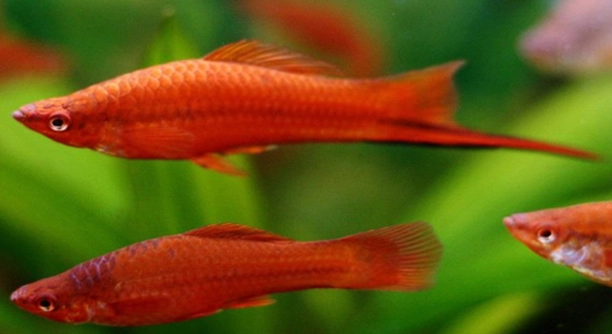
Do your swordtails seem uninterested in their surroundings, swimming aimlessly or staying still for long periods throughout the day? These behaviors may be early signs that your fish are feeling bored in their environment.
The most effective way to re-engage bored swordtails is by making small changes to their habitat. This includes altering their tank layout, adding enrichment like live plants, introducing safe tank mates, or rotating decorations to stimulate their senses.
Simple changes can help your swordtails feel more stimulated, active, and healthy. Let’s look at some easy ways to refresh their underwater world.
Rearrange Their Tank Decor
Bored swordtails benefit from even small updates in their environment. Rearranging decorations, plants, or rocks can create new paths and hiding spots, helping your fish stay active. These changes make the tank feel different, even if you’re using the same items. Swordtails are naturally curious, and they’ll likely explore areas that feel new to them. Shifting a few ornaments or moving a plant can do more than you’d think. It’s also a good time to remove anything that’s collecting debris or isn’t being used. Regular updates keep the space from becoming too predictable for your fish. If you notice they respond well to changes, try rotating tank items every couple of weeks. This keeps things fresh without stressing the fish. Avoid making changes too often or all at once—this could have the opposite effect and leave your fish unsettled. Small adjustments made gradually can improve overall tank engagement.
Simple tank changes can help break the monotony. Rotate one or two decorations at a time every couple of weeks for best results.
Swordtails like to feel secure, but they also need stimulation. New hiding spots or swimming routes keep them moving and alert. You can use rocks, driftwood, or artificial plants to create new structures. Be sure each item is aquarium-safe and doesn’t block swimming areas too much. Avoid sharp edges that might tear fins. Placing taller objects toward the back of the tank creates depth, while smaller pieces up front help them feel more comfortable exploring. If you use caves or tunnels, try moving them to a different corner now and then. A slight rearrangement is often enough to spark new interest. Your goal is to make the same space feel different. After rearranging, keep an eye on your fish. If they immediately start swimming around and checking things out, that’s a good sign they appreciate the change.
Add New Live Plants
Live plants can make a big difference in keeping your swordtails active and curious. These natural elements also improve water quality and oxygen levels.
Adding live plants to the tank gives your swordtails more places to explore and hide. This helps reduce stress and encourages natural behaviors. Plants like java fern, hornwort, or anubias are great options because they’re hardy and easy to care for. These species also don’t need strong lighting or complicated fertilizers. With the right mix of plants, your tank will look more vibrant, and your fish will feel more at ease. Live plants sway slightly in the water, creating motion that attracts attention. Your swordtails may begin to weave in and out of leaves or hang near plant bases. This change encourages interaction without being too overwhelming. If you’re new to live plants, start with just one or two types and see how your tank responds before adding more.
Introduce Floating Toys or Leaf Litter
Floating toys and natural leaf litter can grab your swordtails’ attention. These items offer something new to explore at the surface or bottom of the tank, encouraging movement and sparking natural curiosity in a calm, non-disruptive way.
Floating toys like soft ping pong balls or aquarium-safe bobbers gently move with the water flow, drawing interest from swordtails that enjoy mid-to-top tank swimming. Leaf litter, such as Indian almond leaves, provides a more natural environment. As the leaves break down slowly, they release tannins that can help reduce stress. Swordtails often swim through or around the leaves, which gives them a new texture and scent to explore. These small details offer quiet stimulation throughout the day. Be sure to clean or replace these items regularly to avoid debris buildup. Start with one toy or leaf at a time to observe how your swordtails respond before adding more.
Try placing a floating toy near the filter output so it shifts gently in the current. This movement can grab the attention of even less active fish. Indian almond leaves sink gradually and create scattered hiding spaces as they settle. Both items create areas that are visually and physically different from the usual tank setup. Swordtails may chase the toy or swim in and out of the scattered leaf litter. This kind of gentle enrichment encourages more natural behaviors without requiring large changes. If your fish ignore the toy or leaf after a few days, switch positions or replace the item. This helps keep the novelty going. Make sure anything added is aquarium-safe and properly cleaned to avoid introducing anything harmful into the water.
Use a Mirror Occasionally
Mirrors create the illusion of another fish, which can stir curiosity or alertness in swordtails. Using this trick in short sessions can provide temporary mental stimulation, especially for swordtails kept alone or in smaller groups.
Place a small mirror outside the tank for just a few minutes a day. Swordtails will usually react quickly, thinking they see a rival or a new fish nearby. This makes them more active and alert, often triggering flaring or fast swimming. It should only be done occasionally—too often and it could cause stress or aggression, especially in more dominant fish. Mirrors should never be placed inside the tank, as that creates prolonged exposure and potential anxiety. Start by trying this for just two to five minutes and monitor their behavior closely. If they respond with interest, it’s a good sign the visual stimulus is engaging but not overwhelming.
Try Feeding in Different Spots
Changing where you drop food can make feeding time more exciting. Swordtails will swim around the tank instead of hovering in one area, which keeps them active and encourages more natural foraging behavior during mealtime.
Spread small amounts of food in different corners of the tank. This makes swordtails search around, rather than waiting at the surface. It helps reduce food competition and encourages shy fish to participate too.
Offer Occasional Live or Frozen Foods
Live or frozen foods can provide mental and physical stimulation for swordtails. Brine shrimp, daphnia, or bloodworms activate their hunting instincts, giving them a more dynamic eating experience compared to flakes or pellets. These food types are also rich in nutrients, helping to support health and coloration. Feeding live or frozen options once or twice a week adds variety and helps break up routine. Drop in small amounts and observe how your swordtails respond. Most will become more animated and energetic during feeding. Make sure to choose items that are safe and appropriately sized for them. Always remove uneaten food promptly to maintain good water quality.
Introduce Safe Tank Mates
Peaceful tank mates can encourage more movement and social behavior in swordtails. Choose compatible species like platies or corydoras to avoid stress or aggression. A mixed community setup often keeps swordtails more alert and engaged.
FAQ
How do I know if my swordtail is bored?
Swordtails are typically active and curious fish, so if they start swimming less or hanging out at the bottom of the tank, it might be a sign of boredom. If they consistently ignore new additions to the tank or don’t interact with other fish, it’s worth considering ways to make their environment more engaging.
Can I keep swordtails with other fish?
Yes, swordtails are generally peaceful and do well in community tanks with other non-aggressive fish. Avoid keeping them with overly aggressive species or those that might nip at their fins. Platies, tetras, and corydoras are good companions. Make sure to keep the tank spacious enough to prevent overcrowding, which can lead to stress.
How often should I change the decorations in the tank?
Changing decorations once every month or two can help keep the tank environment fresh. Swordtails may become accustomed to their setup, so small changes like rearranging plants or adding new items can spark their curiosity. Avoid making drastic changes too often, as it could stress them out.
What is the best tank size for swordtails?
A minimum of 20 gallons is recommended for swordtails. This gives them enough space to swim freely and prevents overcrowding, which can lead to aggression or stress. The more space they have, the happier and more active they are likely to be.
Can swordtails live with plants in the tank?
Yes, swordtails do well with live plants. Plants provide hiding spots and help improve water quality. Hardy plants like java fern, anubias, and hornwort are great choices because they don’t require high-maintenance care. Just be mindful of the type of plants you choose, as some delicate species may get eaten by the swordtails.
Why is my swordtail staying at the bottom of the tank?
If your swordtail is staying at the bottom, it could be due to several factors, such as stress, poor water quality, or illness. Ensure the water conditions are optimal and that the fish isn’t being bullied by tank mates. A lack of stimulation, such as limited tank decor or hiding spots, may also contribute to lethargy.
How can I prevent my swordtails from being stressed?
To prevent stress, maintain stable water parameters, avoid overcrowding, and provide plenty of hiding spots. Swordtails are social fish, so keeping them with compatible species helps reduce stress. Keep their tank clean and provide enrichment like new plants or tank mates to keep them engaged.
Is it necessary to provide a breeding space for swordtails?
While not necessary, if you have male and female swordtails, they will likely breed. Providing a space like a breeding box can help separate the young fry from the adults, preventing them from being eaten. If you’re not interested in breeding, keep only males or consider using a tank divider.
How can I tell if my swordtail is sick?
Signs of illness in swordtails include changes in behavior (like lethargy), a loss of appetite, faded color, or visible lesions on their body. If your fish is showing any of these symptoms, check the water quality immediately and consider isolating the sick fish to prevent spreading any potential illness. Consulting an aquatic vet is a good idea for more severe cases.
Can I use a mirror to entertain my swordtail?
Using a mirror briefly can spark curiosity in swordtails, but avoid using it too often. Swordtails may become stressed or even aggressive if they constantly see their reflection. Limit mirror sessions to a few minutes at a time to engage them without causing stress.
Should I feed my swordtail live food?
Occasionally feeding live food like brine shrimp, daphnia, or bloodworms can add variety to your swordtail’s diet and encourage natural hunting behavior. Live food is also more nutritionally dense than standard flake or pellet food. However, it’s important to offer live food in moderation to avoid overfeeding.
How can I make my swordtails more active?
To keep your swordtails active, consider changing their environment with new tank decorations, adding live plants, or rotating toys. Keeping them with compatible tank mates, offering occasional live food, and making small, gradual changes to their setup will also help keep them engaged. Regular water changes and a varied diet also contribute to their overall well-being.
How long do swordtails live?
Swordtails typically live for about 3 to 5 years, although with proper care, they can live longer. Maintaining optimal water quality, providing a balanced diet, and ensuring they have a stress-free environment will help maximize their lifespan.
What should I do if my swordtail is not eating?
If your swordtail isn’t eating, first check the water parameters to ensure they’re in the correct range. Stress, illness, or poor water quality can cause loss of appetite. Offering a variety of foods, such as live or frozen options, may help entice them to eat. If the issue persists, consider consulting an aquatic vet.
Final Thoughts
Keeping swordtails engaged is important for their overall health and happiness. Boredom in fish can lead to stress, which affects their immune system and behavior. By making small changes to their environment, such as introducing new decorations, offering a varied diet, or changing where you place food, you can help reduce the chances of your swordtails becoming bored. These simple adjustments will encourage them to be more active and engaged, creating a better environment for them.
It’s also essential to provide swordtails with tank mates that are compatible and help foster a peaceful, stimulating environment. Swordtails are social fish, and having other peaceful species around will keep them from becoming isolated and inactive. However, the tank should still be spacious enough to prevent overcrowding, which could lead to aggression. A balanced and varied environment is key to maintaining a healthy tank where your swordtails can thrive.
Regular care and observation of your swordtails will help you notice signs of boredom or distress early. Pay attention to their behavior and look for any changes in how they swim or interact with their surroundings. By remaining attentive and making thoughtful changes, you can ensure your swordtails live happy, healthy lives.

Hello,
If you enjoy the content that we create, please consider saying a "Thank You!" by leaving a tip.
Every little bit helps us continue crafting quality advice that supports the health, happiness, and well-being of pets around the world, for pets of all shapes, sizes, and species.
We really appreciate the kindness and support that you show us!