
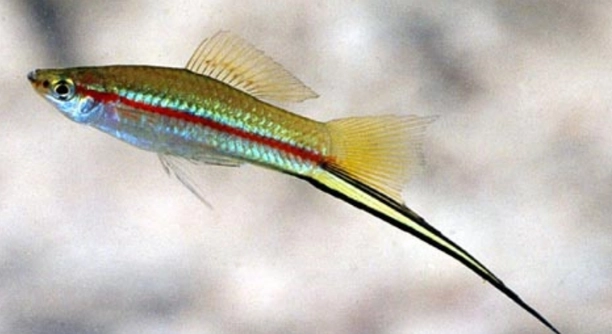
Swordtails are a popular freshwater fish known for their vibrant colors and active nature. Like all pets, they need proper care to thrive. One important factor in their well-being is their diet.
A poor diet can indeed make swordtails more susceptible to illness. Insufficient nutrients, improper food types, and inconsistent feeding schedules can weaken their immune systems, leaving them vulnerable to various health problems such as malnutrition, fin rot, and infections.
With the right care and nutrition, swordtails can live long and healthy lives. Keep reading to learn how to prevent diet-related issues and maintain their health.
The Importance of a Balanced Diet for Swordtails
A balanced diet is essential for swordtails to stay healthy. These fish require a variety of nutrients to thrive, including protein, vitamins, and minerals. Without the right food, swordtails can develop health issues. For example, insufficient protein can weaken their immune system, making them more prone to diseases. A lack of vitamins and minerals can lead to deformities and other serious conditions. Providing swordtails with a proper, varied diet helps maintain their energy, coloration, and overall well-being.
Swordtails benefit from both plant-based and animal-based foods. A mix of high-quality flake food, frozen or live food such as brine shrimp, and occasional vegetables like spinach or zucchini offers them the best chance at staying healthy. It’s also important to feed them in moderation. Overfeeding can lead to obesity and poor water quality, which can cause health problems.
Keeping swordtails well-fed with nutrient-dense foods and avoiding overfeeding can prevent many common health issues. A varied, balanced diet is key to ensuring your swordtail remains active and vibrant for years.
Signs of Poor Diet in Swordtails
Swordtails showing signs of poor diet may exhibit lethargy, faded colors, or sluggish behavior. These are indicators that their nutritional needs are not being met.
When swordtails aren’t getting the right nutrients, their immune systems become weakened. They might develop visible issues, such as torn fins or swelling. Their once vibrant colors may become dull, and they may lose their appetite. Without intervention, these symptoms could worsen, leading to more severe health problems. Regular observation of your swordtail’s behavior and appearance is crucial for detecting early signs of diet-related health issues.
In addition to physical changes, swordtails may also experience digestive issues like bloating or constipation. These can be the result of improper food types or overfeeding. To prevent these issues, always provide a balanced diet and feed your swordtails only what they can consume in a few minutes. If problems arise, adjusting their food or feeding schedule can make a significant difference in their health.
Feeding Frequency and Its Impact on Swordtail Health
Swordtails need to be fed regularly but not excessively. Feeding them once or twice a day is ideal, ensuring they get enough nutrients without overfeeding. Overfeeding can lead to poor water quality and obesity, both of which are harmful to their health.
Feeding frequency plays a critical role in maintaining your swordtail’s health. It’s important to avoid feeding too much at once, as uneaten food can pollute the water. A good rule of thumb is to feed them only what they can consume in about three minutes. This prevents overfeeding and reduces the risk of water contamination.
In addition, swordtails can develop a preference for certain foods if given the same thing every day. This can lead to an imbalanced diet and malnutrition. Varying their diet by providing different types of food ensures they receive all the necessary nutrients. Balancing their feeding schedule and food types is essential for long-term health.
Types of Foods for Swordtails
Swordtails thrive on a varied diet that includes both plant and animal-based foods. High-quality commercial flakes can form the basis of their meals, but supplementing with live or frozen foods, like brine shrimp or daphnia, enhances their diet. Occasional vegetables like spinach or peas are also beneficial.
Providing swordtails with a mix of foods ensures they get the nutrients they need. Protein-rich foods like brine shrimp or worms help support their growth and muscle development. Meanwhile, plant-based foods offer fiber and essential vitamins. This combination helps keep swordtails vibrant and active.
Feeding swordtails a variety of foods also prevents them from becoming picky eaters. It’s important to adjust their diet to suit their needs, especially if you notice changes in their behavior or health. Try experimenting with different foods to see what works best for your swordtail, ensuring they stay healthy and well-fed.
Common Diet Mistakes for Swordtails
One common mistake is overfeeding swordtails. Offering them too much food at once can lead to water pollution and obesity. It’s essential to stick to the recommended feeding amounts and avoid leaving uneaten food in the tank.
Another mistake is not varying their diet. Relying on one type of food can lead to nutrient imbalances. A lack of variety makes it harder to meet all their nutritional needs, impacting their overall health. To keep them healthy, rotate different types of food to provide a balanced diet that meets all their requirements.
How to Choose the Right Food for Swordtails
Choosing the right food is crucial for swordtail health. Opt for high-quality commercial fish food, as it provides the essential nutrients they need. You can also supplement with live or frozen foods for added protein and variety. Keep in mind that foods should be appropriate for their size and dietary needs.
Providing a balanced diet of both plant and animal-based foods ensures swordtails get the nutrients required for optimal health. Rotating between different food types will prevent them from becoming too reliant on one source of nutrition. This simple adjustment helps swordtails stay strong and vibrant.
The Role of Water Quality in Swordtail Health
Water quality is closely tied to swordtail health, especially when it comes to diet. Poor water conditions can worsen the effects of malnutrition, leading to illness. Regular water changes and proper filtration can help keep the tank clean and reduce the risk of diseases.
FAQ
Can swordtails eat only flakes?
While swordtails can survive on a diet consisting mainly of flakes, it’s not ideal. Flakes provide a good base, but they lack the variety and essential nutrients that live or frozen foods offer. Including brine shrimp, daphnia, or even small bits of vegetables will ensure a well-rounded diet and prevent nutritional deficiencies. A varied diet promotes better health, vibrant colors, and active behavior in swordtails.
How often should I feed my swordtail?
Swordtails should be fed once or twice a day, but the exact frequency depends on their age and size. Younger swordtails may require more frequent feedings, while adult swordtails can thrive with one feeding per day. Be mindful not to overfeed. Only offer as much food as they can consume in 2–3 minutes to avoid water pollution and obesity.
What are the signs of a poorly fed swordtail?
Signs of a poorly fed swordtail include a dull or faded coloration, lack of energy, sluggish behavior, and a thin or emaciated body. You may also notice the fish becoming more prone to illness, with symptoms like swollen bellies or torn fins. A weak immune system is often the result of malnutrition, so it’s important to address diet issues as soon as possible.
Can swordtails eat live food every day?
Feeding swordtails live food every day is not necessary and can be excessive. While live food, like brine shrimp, is rich in protein and beneficial, it’s best to offer it a few times a week. Too much live food can lead to overfeeding or water quality issues. Mixing live food with plant-based and flake foods ensures a balanced diet without overindulging in one type of food.
Is it okay to feed swordtails only frozen food?
Frozen food can be a great supplement, but feeding swordtails only frozen food isn’t recommended. Like live food, frozen food is rich in protein but lacks the variety and nutrients that flake food and plant-based foods provide. Swordtails require a combination of protein, vitamins, and fiber to maintain overall health. A balanced diet with a mix of frozen, live, and flake foods works best.
How do I avoid overfeeding my swordtail?
To avoid overfeeding, measure the food you offer based on your swordtail’s size. Only give them as much as they can consume in about 2–3 minutes. It’s important to remove any uneaten food from the tank promptly to prevent water quality issues. Regularly check your swordtail’s weight and body condition. If they seem overweight or lethargic, cut back on the food portions.
Are vegetables necessary in a swordtail’s diet?
Yes, vegetables are an important part of a swordtail’s diet. They provide essential vitamins, minerals, and fiber, which help with digestion and overall health. You can feed swordtails vegetables like spinach, zucchini, or peas. Offering a variety of plant foods will help meet their nutritional needs and keep them in good condition. It also prevents them from becoming too reliant on protein-heavy foods.
Can swordtails eat the same food every day?
Feeding swordtails the same food every day can lead to nutritional imbalances. While they may eat the same food for a short period, a varied diet is essential for long-term health. Different food types, including flakes, frozen or live foods, and vegetables, offer a range of nutrients that are important for their overall well-being. A varied diet also helps prevent boredom and encourages a more active feeding behavior.
What happens if my swordtail doesn’t eat all the food?
If your swordtail doesn’t eat all the food, it could be a sign of a few issues. They may not be hungry, or the food may not appeal to them. Uneaten food will sink to the bottom and pollute the tank, leading to poor water quality. To avoid this, only offer small portions at a time and remove any uneaten food within 2–3 minutes. Keeping a clean tank is crucial for maintaining swordtail health.
Can swordtails eat pellets?
Yes, swordtails can eat pellets, and they are a convenient option for feeding. However, like flakes, pellets should not be the only food you provide. Pellets can form the base of their diet but should be supplemented with live or frozen food and vegetables for a balanced diet. Pellets can be especially useful for adding protein but should be given in moderation to prevent overfeeding.
Are swordtails sensitive to sudden changes in diet?
Swordtails can be sensitive to sudden changes in their diet. If you switch their food too quickly, it could cause stress or digestive issues. Introduce new foods gradually, mixing them with their regular diet until they are used to the new items. This helps avoid digestive upset and ensures they accept the new food without problems.
Do swordtails need any special nutrients?
Swordtails, like most fish, need a variety of nutrients, including protein, vitamins, and minerals. Protein is essential for growth and muscle development, while vitamins and minerals like vitamin A and calcium support immune function and bone health. A balanced diet of plant and animal-based foods helps meet these nutritional needs. If you notice signs of poor health, consider adjusting their food to ensure they are getting the right nutrients.
Can swordtails eat frozen bloodworms?
Frozen bloodworms are a great treat for swordtails and are packed with protein. However, they should not be fed exclusively, as they lack essential nutrients like fiber. Bloodworms can be offered as a supplement to a well-rounded diet, providing variety and promoting growth. Use them sparingly and mix with other foods to ensure your swordtail gets all the necessary nutrients.
How can I tell if my swordtail is overfed?
Overfed swordtails may exhibit signs like a bloated or swollen belly, sluggish behavior, or poor water quality in the tank. You might also notice uneaten food sinking to the bottom. Regular monitoring of your swordtail’s condition and adjusting the feeding amount will help prevent overfeeding. If you observe any signs of obesity or lethargy, reduce the feeding portions immediately.
Can swordtails survive without a varied diet?
Swordtails can survive without a varied diet, but they won’t thrive. A limited diet can lead to malnutrition, weak immune systems, and poor coloration. To ensure your swordtail remains vibrant, healthy, and active, it’s essential to offer a variety of foods. A balanced diet, with different protein, plant, and vitamin sources, promotes long-term health and longevity.
How do I know if my swordtail is getting the right amount of food?
Your swordtail should be active, with vibrant colors and a healthy weight, if they are getting the right amount of food. If the fish is underweight, lethargic, or has faded colors, it may not be getting enough nutrients. On the other hand, an overfed swordtail may appear bloated or sluggish. Keep an eye on their condition and adjust the feeding portions accordingly.
Final Thoughts
Swordtails are resilient fish that can adapt to various diets, but ensuring they receive proper nutrition is essential for their long-term health. A well-balanced diet, consisting of flakes, live or frozen foods, and vegetables, will provide the necessary nutrients for their growth, energy, and vibrant colors. Without the right food, swordtails may become more susceptible to illness, show signs of malnutrition, or have a shorter lifespan. So, while it may seem like a small thing, feeding them correctly is one of the most important factors in maintaining a healthy fish.
Overfeeding or offering the wrong foods can lead to serious issues, including poor water quality and obesity. It’s essential to give them the right amount of food, with portions they can consume in a few minutes, and avoid excessive protein-heavy meals. A varied diet keeps them interested in their food and ensures they get all the nutrients they need. You should also be mindful of their water quality, as uneaten food can quickly decay and cause unhealthy tank conditions. By managing their diet and feeding routine properly, you can prevent these issues and keep your swordtail happy and healthy.
Finally, swordtails are relatively low-maintenance fish, but they do need attention when it comes to their diet. Regularly monitoring their health, adjusting portions based on their growth, and offering a range of foods will ensure they thrive in your tank. If you ever notice unusual behavior or changes in their appearance, it’s worth reassessing their diet and making necessary adjustments. A little extra care in providing the right nutrients can go a long way in helping your swordtails live a long, healthy life.

Hello,
If you enjoy the content that we create, please consider saying a "Thank You!" by leaving a tip.
Every little bit helps us continue crafting quality advice that supports the health, happiness, and well-being of pets around the world, for pets of all shapes, sizes, and species.
We really appreciate the kindness and support that you show us!