
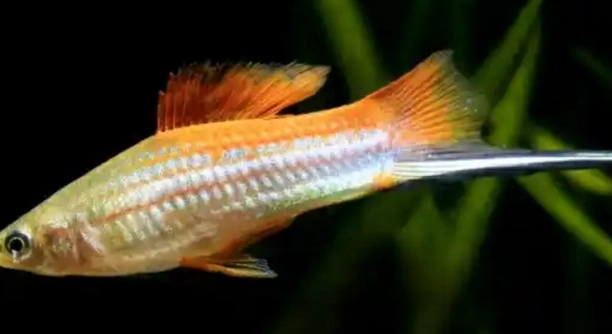
Swordtails are vibrant and energetic fish that can bring a lot of joy to an aquarium. If you’ve been thinking about breeding your swordtails, knowing when they’re ready is key. Here are some important signs to look for.
When swordtails are ready to breed, they typically show signs of increased activity and physical changes. Females may become rounder, indicating they’re carrying eggs, while males often display more vivid colors and engage in aggressive courtship behaviors.
Understanding these signs can help you ensure the best conditions for breeding. Keeping an eye on these signals will make the breeding process smoother and more successful.
Increased Activity and Movement
One of the first signs that your swordtail may be ready to breed is increased activity in the tank. Swordtails are generally active fish, but when they’re approaching breeding time, their behavior becomes even more noticeable. The males, especially, may start swimming around more frequently and showing off their bright colors. They become more engaged in chasing the females, a typical courtship behavior. The females, on the other hand, may become more sluggish and less active as they prepare for the upcoming pregnancy.
This heightened activity is a clear signal that your swordtail is entering the breeding phase. If you notice these changes, it’s a good idea to keep a close eye on the tank to ensure that the conditions remain optimal for breeding.
Make sure the water temperature is ideal for breeding. Swordtails tend to breed more readily in warmer water, usually around 75 to 80 degrees Fahrenheit, so adjusting the temperature can encourage successful mating.
Physical Changes in the Females
The most noticeable change in female swordtails when they are ready to breed is a noticeable increase in size, particularly in their abdomen. As they become pregnant, their bodies will swell as they carry the eggs. If you observe the female becoming rounder or even seeing a dark spot near her abdomen, this indicates that she is pregnant and likely ready to give birth soon.
During this time, it’s important to make sure the female is well-fed and that the water quality is high to avoid any stress. High-quality water and good nutrition will ensure the best conditions for the female to deliver healthy fry.
Male Swordtail Behavior
Male swordtails will start showing more aggressive behavior when they’re ready to breed. They may chase the females around, displaying their vibrant colors to attract attention. Their movements become more erratic, often darting around the tank in search of a mate. This can be a sign that they’re actively trying to engage in courtship.
These aggressive courtship behaviors can sometimes stress the females, so it’s important to ensure that there’s plenty of space in the tank. Providing hiding spots for the females can help reduce stress and give them a chance to escape the persistent attention of the males. Keep an eye on the males to avoid overly aggressive behavior.
Some males may become more territorial as they prepare for breeding, guarding areas of the tank to claim as their own. This behavior is a natural part of swordtail mating rituals, but it’s important to monitor the tank to ensure that one male doesn’t dominate and intimidate the others. Keeping multiple females in the tank can help balance out the aggression and reduce the chance of excessive stress on any single female.
Females Seeking Hiding Spaces
Once a female swordtail is ready to breed, she may seek out quiet corners or hiding spots in the tank. This behavior is a natural part of the mating process. She may want to find a secluded spot where she feels safe before the male can reach her. Providing plenty of plants or decorations can help create these hiding spaces and reduce stress for the female.
It’s important to note that not all females will display this behavior. Some might stay in open areas, especially if the tank environment feels secure and calm. However, if you notice that the female is constantly seeking shelter or hiding, it’s a clear sign she may be ready to breed. Ensuring your tank is equipped with enough hiding spots will help your swordtail feel more comfortable during the breeding process, which can lead to better results.
Increased Appetite in Males
As swordtails prepare to breed, males often show an increase in appetite. They may seem more eager to feed and spend more time searching for food. This behavior is linked to their need for energy to maintain their active courtship rituals.
Providing a balanced diet during this time will ensure that the males have the necessary nutrients to stay healthy and energized. Offering a variety of foods, including live or frozen options like brine shrimp, can help them stay at their best.
Females Showing Interest in Males
When females are ready to breed, they may start showing interest in the males by swimming closer to them. This behavior often follows the initial courtship efforts by the males. It’s a sign that the female is receptive and ready to engage in mating.
This period of interest can last for several days as the female prepares for mating. It’s important to ensure that both male and female swordtails are healthy during this time. Regular water changes and proper tank conditions will help them stay comfortable and ready for breeding.
Clearer Sexual Dimorphism
Sexual dimorphism becomes more pronounced as swordtails near the breeding season. The males develop brighter colors, often with an extended tail fin resembling a sword, while the females remain more muted in color. This difference becomes especially visible during courtship, helping males stand out to attract mates.
You’ll notice that male swordtails tend to become more vivid and colorful, sometimes with a distinct shift in behavior. These physical changes are nature’s way of preparing them to breed, making it easier for the females to choose their mate. The display of these features is vital in attracting the attention of the females.
FAQ
How do I know when my swordtail is ready to breed?
You can typically tell when your swordtail is ready to breed by observing their behavior and physical changes. Females often become rounder as they carry eggs, while males show off brighter colors and become more active. If you notice these signs, it’s likely they’re ready to breed. Males will also display more aggressive courtship behaviors, such as chasing the females and showing off their vivid tails.
What should I do if my swordtail is not breeding?
If your swordtail is not breeding, there could be several reasons. One common issue is water conditions. Swordtails prefer warm water, around 75-80°F, so if the temperature is too low, they may not breed. Also, check that the tank is clean and that the fish aren’t stressed by overcrowding. Adding hiding spots for females and keeping multiple males can reduce stress and encourage mating.
How many swordtail fry can I expect?
Swordtails typically give birth to 30 to 50 fry, though the number can vary depending on the size and health of the female. Larger, healthy females may produce even more fry, while smaller or stressed females may have fewer. Keep in mind that the fry should be separated from adult fish to prevent them from being eaten.
Can swordtails breed with other fish?
Swordtails are part of the livebearer family, which includes other species like guppies and platies. While they can crossbreed with these fish, it’s not always recommended. Crossbreeding can lead to hybrid fish with unpredictable characteristics and can cause complications for breeding future generations. It’s best to keep swordtails within their own species for optimal breeding results.
How can I care for swordtail fry after birth?
After birth, swordtail fry are very small and need special care. You should provide a separate breeding tank or a breeder box to keep them safe from adult fish. It’s important to feed them with small, nutritious foods like crushed flake food or specially formulated fry food. Keep the water clean and ensure that the fry have plenty of hiding spaces to reduce stress.
Why is my swordtail not showing its colors?
Swordtails may not display their full colors for various reasons. Stress is one of the most common causes, especially if the water conditions are poor or the fish feel threatened. Another reason could be that the swordtail is not yet sexually mature. Males, in particular, may only show their brightest colors during mating season or when they are courting females.
Do swordtails need specific tank mates to breed?
Swordtails are generally peaceful and can live with many types of fish, but it’s important to avoid overly aggressive or large fish that may stress them out. Having peaceful tank mates that don’t compete for food or space will help encourage breeding. Guppies, platies, and mollies can make good companions as they have similar needs and temperament.
How can I tell the difference between male and female swordtails?
Male swordtails are generally smaller, with a distinct, elongated tail that resembles a sword. They are also more colorful, especially during breeding season. Female swordtails, on the other hand, are larger and more rounded, particularly when they are pregnant. The difference between the two is most noticeable when the fish are sexually mature and ready to breed.
How long does it take for swordtail fry to grow?
Swordtail fry grow relatively quickly. Within a few weeks, they will start to show their characteristic shape, and within a month, they will be large enough to move into the main tank. However, it’s important to keep them in a safe, separate area until they are big enough to avoid being eaten by adult fish.
How often do swordtails breed?
Swordtails can breed quite frequently if the conditions are right. Female swordtails can give birth every 4 to 6 weeks, depending on the water temperature, their health, and their diet. Since swordtails are livebearers, they can breed multiple times in a year, producing many generations of fry.
Why is my swordtail not pregnant even though she looks round?
A female swordtail may look round but may not be pregnant if she’s just carrying eggs or if she’s experiencing a condition known as “egg binding.” Egg binding happens when the female’s eggs don’t fertilize or get stuck in her reproductive tract. If you think this is the case, consult a vet with experience in fish care to check for health issues.
Can I breed swordtails in a community tank?
Yes, you can breed swordtails in a community tank, but it’s best to have a separate breeding area to protect the fry from adult fish. If you choose to breed them in a community tank, make sure there are plenty of plants and hiding spots for the fry to hide and avoid being eaten. Additionally, separating the males and females before breeding may help reduce aggressive behavior.
Final Thoughts
Breeding swordtails can be a rewarding experience for aquarium owners. By paying attention to the signs that your swordtail is ready to breed, such as physical changes in males and increased activity, you can ensure the process goes smoothly. It’s important to create the right environment for both males and females, keeping water conditions stable and stress levels low. With proper care and a bit of patience, you can enjoy watching new fry grow in your tank.
The health of your swordtails should always be a priority. Providing a well-balanced diet, maintaining a clean tank, and making sure both males and females are in good health will contribute to successful breeding. If any issues arise, such as low breeding activity or difficulty with pregnancy, it’s essential to address the root cause, whether that’s water temperature, overcrowding, or stress. Monitoring these factors carefully will improve the chances of successful breeding and healthy offspring.
Breeding swordtails is a natural part of their life cycle, but it does require some preparation and attention to detail. By understanding the basics of swordtail breeding, you can help ensure that your fish have the best chance at producing healthy, thriving fry. It’s a process that can be both educational and enjoyable, offering insight into the natural behavior of these vibrant, active fish. If you stay proactive and attentive, breeding swordtails will be a positive addition to your aquarium experience.

Hello,
If you enjoy the content that we create, please consider saying a "Thank You!" by leaving a tip.
Every little bit helps us continue crafting quality advice that supports the health, happiness, and well-being of pets around the world, for pets of all shapes, sizes, and species.
We really appreciate the kindness and support that you show us!