
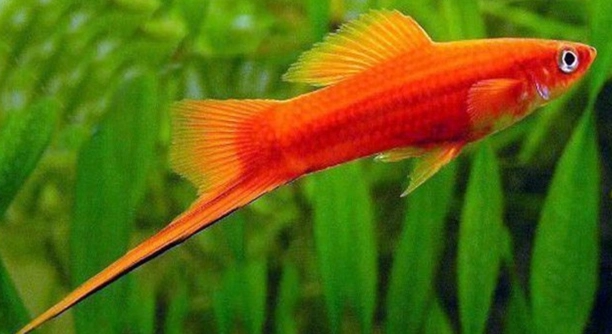
Sometimes, you may notice your swordtail fish staying away from the rest of the group. This behavior can be puzzling, especially if they’ve been social before. Understanding why your swordtail is acting differently can help you resolve the issue.
The primary reasons your swordtail may avoid the group include stress, illness, or territorial behavior. A stressed or sick swordtail may isolate itself to avoid interaction. Additionally, dominant fish may create an environment where others prefer staying apart.
Addressing the cause of isolation can improve the wellbeing of your swordtail and bring it back to a healthy, social state. By understanding the underlying factors, you’ll be able to foster a better environment for all your fish.
Stress and Its Impact on Swordtail Behavior
Stress can be one of the most common reasons why your swordtail is avoiding the group. Fish are sensitive to changes in their environment, and anything from water quality to overcrowding can cause stress. Swordtails are social fish, but when stressed, they may seek isolation to feel safer. Poor water conditions, like high ammonia levels or improper temperature, can negatively affect their health and behavior. Overcrowding in the tank is another factor that increases stress. If there aren’t enough places for fish to hide or swim freely, your swordtail might choose to stay away from the group as a way to escape the tension. A stressed swordtail may also display signs like rapid gill movement, darting, or a lack of appetite. Keeping the water clean, maintaining proper tank size, and ensuring enough hiding spots can reduce stress and encourage your swordtail to rejoin the group.
Tank conditions play a significant role in the stress your swordtail might experience. By paying close attention to these factors, you can help your swordtail feel more comfortable.
Adjusting water parameters, such as pH, temperature, and nitrate levels, can create a more relaxing environment for your swordtail. This will reduce the stress levels that may be making it avoid other fish.
Illness and Its Role in Isolation
A swordtail might isolate itself if it is feeling unwell. Illnesses can cause fish to withdraw from the group, as they may lack the energy to interact or feel vulnerable. It’s important to watch for signs of sickness, such as fading color, sluggish movements, or visible lesions on the body. These are all indicators that something isn’t quite right with your fish. If your swordtail appears sick, the first step is to isolate it in a quarantine tank to prevent potential spread to other fish in the main tank. By doing this, you can give your swordtail a chance to recover without the added stress of being in a busy tank. If the issue persists, consulting with an aquatic vet can help you identify the problem and guide you toward the proper treatment.
Identifying illness early is crucial for your swordtail’s recovery. When a fish avoids the group, it may be trying to protect itself.
By recognizing symptoms of illness early, you can start treatments quickly. This helps avoid long-term health issues and encourages the fish to rejoin its group once it feels better.
Territorial Behavior
Swordtails, like many fish, can become territorial, especially when there are other dominant fish in the tank. A dominant fish may push others away from certain areas, leaving them feeling isolated. This behavior is more common in tanks that have not been properly balanced with enough hiding spots or swim space for everyone. Your swordtail may feel unsafe or unwilling to interact with the group if it is being bullied or cornered by more aggressive tank mates. Giving your swordtail space to move freely can ease this issue.
Creating a more balanced environment will allow your swordtail to feel less threatened. Adding more plants, rocks, or decorations can help break up the territory lines. This provides safe spaces where all fish can feel secure. In addition, placing the tank mates of similar temperament together can avoid issues like bullying.
Aggression from dominant fish can create a stressful atmosphere, making your swordtail withdraw. The more secure your swordtail feels in its space, the more likely it is to interact with the rest of the group. Ensuring no fish feels cornered will promote better social behavior.
Breeding Behavior
When swordtails are in breeding mode, they may separate from the group, especially if they are holding eggs or showing signs of courtship. Males can become very focused on chasing females, leading the female to avoid the group to rest. The sudden withdrawal is often a natural response during the breeding cycle, as fish seek solitude to avoid disturbance. During this time, it’s common for fish to show different behaviors, such as swimming in secluded areas or hiding more often. This should be expected and not a sign of distress unless other symptoms arise.
You’ll notice that male swordtails become more active and chase after females in the tank. While this can lead to the females avoiding the group, it’s simply part of their natural breeding routine. If there are multiple males or too much chasing, the female may seek a quiet spot away from the others.
In most cases, once the breeding cycle is over, your swordtail will return to its usual social behavior. If you notice this happening, it’s important to give your swordtail space without causing unnecessary stress. Adjusting the tank’s layout or adding more hiding places can reduce the pressure on both males and females.
Overcrowding in the Tank
Overcrowding can stress out your swordtail, causing it to avoid the group. Fish need space to swim comfortably, and when there are too many in a small tank, competition for resources like food and hiding spots increases. This can lead to some swordtails isolating themselves to avoid conflict.
If your tank is too crowded, consider reducing the number of fish or upgrading to a larger tank. A larger space allows your swordtail to find its own territory, helping it feel safer and less stressed. More space also helps maintain better water quality, which benefits all your fish.
Incompatible Tank Mates
Swordtails are generally peaceful but may avoid the group if kept with more aggressive or territorial fish. When housed with aggressive tank mates, swordtails can feel threatened and may withdraw from the group to stay safe. It’s essential to choose compatible fish species for a harmonious tank environment.
Aggressive fish can cause stress, forcing your swordtail to retreat. If aggression becomes noticeable, separate the fish to reduce tension. Creating a more peaceful atmosphere will encourage your swordtail to be more social.
Poor Water Quality
Poor water quality can cause a swordtail to withdraw from the group. Fish are highly sensitive to water conditions, and dirty water can make them feel uncomfortable or ill. Factors like high ammonia, nitrates, or improper pH levels can stress your swordtail, leading it to isolate itself from the group.
Regular water testing and water changes are essential for maintaining a healthy environment. If the water conditions are not ideal, your swordtail may not only avoid others but also become sick. Make sure your filtration system is working well and keep the water parameters in check to promote better health for your fish.
FAQ
Why is my swordtail hiding all the time?
If your swordtail is constantly hiding, it could be due to stress, illness, or discomfort with its tank mates. Stress can come from poor water conditions, overcrowding, or aggressive fish. Illness can also cause fish to seek hiding spots to avoid predators or reduce the energy required to interact. Keep an eye out for any other signs like faded colors or sluggish movements that may indicate sickness. Improving water quality and ensuring peaceful tankmates can help reduce hiding behavior.
How can I tell if my swordtail is stressed?
A stressed swordtail may exhibit behaviors like hiding, rapid breathing, darting around the tank, or a loss of appetite. Stress can also cause physical symptoms like clamped fins, fading colors, or lesions on the body. If you notice any of these signs, check your water parameters immediately. Ensure the tank is large enough, and that all fish are compatible with each other. Reducing stressors like high temperatures, poor water quality, or aggressive tank mates will help your swordtail feel more comfortable.
Can swordtails get lonely?
Swordtails are social fish, but they are not as reliant on companionship as other species. They do enjoy the presence of other swordtails and fish, but they can also spend time alone if necessary. If your swordtail is avoiding the group, it’s more likely due to stress or other factors like illness or territorial behavior rather than loneliness. Ensuring the tank provides enough space and hiding places can reduce the chance of loneliness or isolation.
What should I do if my swordtail is avoiding the other fish?
First, check the tank conditions. Poor water quality, overcrowding, or incompatible tank mates can cause stress and isolation. Adjusting the environment, adding hiding spots, or separating aggressive fish can help. If the behavior persists, monitor for signs of illness and treat accordingly. Stress management, in the form of water changes and tank adjustments, is key to encouraging your swordtail to rejoin the group.
Do swordtails need to be in groups?
While swordtails are social, they do not strictly require a large group to thrive. However, they do feel more secure in the presence of other fish of the same species or peaceful tank mates. A single swordtail might act isolated if it feels insecure or stressed, but they can adapt to being alone if necessary. Just make sure they have enough room and enriching environments to explore.
Why is my male swordtail chasing the females?
Male swordtails chase females as part of their breeding behavior. This is a normal and natural response, especially when they are trying to court a female or show interest in mating. However, excessive chasing can stress the female and cause her to avoid the male or the group. If the behavior becomes too aggressive, adding more females or creating separate spaces can reduce the tension and give the females time to rest.
Is it normal for my swordtail to avoid food?
If your swordtail is avoiding food, it could be a sign of stress, illness, or water quality issues. Swordtails are typically good eaters, so a sudden loss of appetite should be taken seriously. Check the water parameters and make sure there are no obvious signs of illness like bloating, spots, or unusual swimming patterns. Sometimes, swordtails might avoid food if they are stressed from other fish or feel uncomfortable in their environment.
How do I encourage my swordtail to join the group?
To encourage your swordtail to interact with the group, first address any potential stressors. Ensure the tank conditions are optimal—proper temperature, pH, and water quality are essential. If there is bullying or territorial behavior, make adjustments by adding more plants or hiding spaces, so your swordtail can feel safe. If illness is suspected, treat it accordingly. Creating a peaceful and balanced environment is key to bringing your swordtail back into the group.
Can swordtails live with other types of fish?
Yes, swordtails can live with many other peaceful fish. However, they should not be kept with overly aggressive or territorial species, as this can cause stress. Good tank mates for swordtails include guppies, mollies, and tetras. Avoid fish that are too large or predatory, as they may intimidate or harm your swordtail. Researching potential tank mates before introducing them can help ensure a peaceful environment for all your fish.
What size tank do swordtails need?
Swordtails need a tank of at least 20 gallons to thrive. A larger tank provides more space for them to swim and reduces territorial disputes. In smaller tanks, overcrowding can lead to stress, which can cause your swordtail to avoid the group. A larger tank also helps maintain stable water quality, which is crucial for fish health.
Final Thoughts
Swordtails are generally peaceful, social fish, but there are various reasons why they may avoid the group. Stress from poor water quality, overcrowding, or aggressive tank mates is one of the main causes. These factors can make your swordtail feel unsafe or uncomfortable, prompting it to isolate itself from the rest of the tank. To prevent this, maintaining a healthy and balanced tank environment is crucial. Regular water changes, monitoring water parameters, and ensuring that tank mates are compatible will go a long way in reducing stress and promoting a more relaxed atmosphere for your swordtail.
Illness can also be a reason for a swordtail’s sudden withdrawal from the group. Just like any other fish, swordtails are susceptible to diseases that may cause them to seek out a quiet space away from others. Identifying signs of illness early is key. If you notice your swordtail showing unusual behavior, such as faded colors or sluggish swimming, it’s important to check for any physical symptoms and address them right away. A separate quarantine tank can be helpful to prevent the spread of illness to other fish while your swordtail recovers. Ensuring that your swordtail gets proper care when sick will help it return to a healthy state faster.
Lastly, it’s important to remember that swordtails, like many fish, can sometimes exhibit natural behavior, such as breeding or being territorial. When males are chasing females, or when a female is preparing to breed, isolation from the group may happen temporarily. These are normal behaviors, and your swordtail will likely rejoin the group once the cycle is over. By observing your fish closely and making any necessary adjustments, whether it be to the tank environment or the behavior of other fish, you can help ensure that your swordtail stays healthy and social in the long run.

Hello,
If you enjoy the content that we create, please consider saying a "Thank You!" by leaving a tip.
Every little bit helps us continue crafting quality advice that supports the health, happiness, and well-being of pets around the world, for pets of all shapes, sizes, and species.
We really appreciate the kindness and support that you show us!