
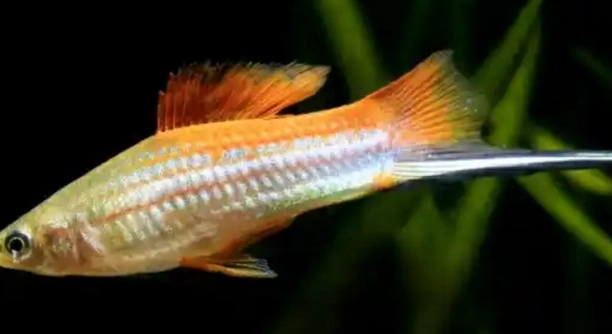
Swordtails are popular aquarium fish known for their colorful appearance and active nature. Many fishkeepers enjoy observing their behaviors, but sometimes it’s unclear how certain environmental factors affect them. One such factor is reflections.
Swordtails can be startled by reflections, especially when they perceive them as another fish. This can lead to behavior changes, such as erratic swimming or hiding. Understanding this response helps fish owners create a more comfortable environment for their pets.
Reflections in tanks can have surprising effects on swordtails. Learning how to manage this can improve the overall experience for both the fish and their owners.
How Reflections Affect Swordtail Behavior
Swordtails are naturally curious, active fish, and they explore their surroundings regularly. Reflections can sometimes make them think there is another fish in the tank, leading to a defensive or confused reaction. This can cause them to swim erratically or hide in corners of the tank. Even small reflections, like those from the glass or a nearby object, can trigger these behaviors.
Fish, including swordtails, rely on their environment to feel safe and comfortable. Reflections may create the illusion of competition or a territorial threat, which increases their stress levels. It’s important to observe their behavior closely after placing objects near the tank. These small changes could be enough to influence their actions significantly.
While swordtails generally adapt to their environments, repetitive stress caused by reflections may affect their long-term health. Over time, persistent stress can lead to a weakened immune system or other health problems. A peaceful environment is crucial for maintaining the balance of their well-being. This includes minimizing reflective surfaces that could cause unnecessary distress.
How to Reduce Reflections in Your Tank
Reducing reflections doesn’t have to be complicated. Simple changes in the tank’s setup can create a calm environment for your swordtails.
One way to minimize reflections is by adjusting the tank’s placement. Keep it away from windows or mirrors that might reflect light. You can also use background decorations like dark-colored paper or a solid backdrop to limit the chances of reflections. Another useful tip is to avoid bright lights that may bounce off the glass. The more control you have over the light around the tank, the better. Swordtails prefer a consistent, low-stress environment, and these small adjustments can significantly improve their experience.
Additionally, you can add plants and decorations that not only enhance the look of the tank but also provide hiding spots for swordtails when they feel threatened. These spaces allow the fish to retreat and feel safer. While swordtails can be quite bold, ensuring they have a variety of places to swim and hide helps reduce stress from external stimuli like reflections.
Why Swordtails Are Sensitive to Reflections
Swordtails are particularly sensitive to reflections because they use their vision to interact with their environment and avoid predators. When they see their own reflection, it can confuse them, making them believe another fish is nearby. This is especially true if the fish is actively swimming and reacting to the reflection.
In the wild, swordtails face constant threats from predators, so they are naturally wired to be alert to movements. When placed in an aquarium, their instinct to be aware of their surroundings often leads to heightened stress if they perceive competition or danger. This stress can manifest in erratic behavior, such as darting around the tank or staying hidden for long periods. If the reflections persist, swordtails may become less active or show signs of agitation.
In some cases, swordtails may even start to ignore their surroundings as they continuously react to the reflections. Their behavior may become more subdued, as they focus on the perceived threat rather than exploring or enjoying their environment. This shows how much the fish’s behavior is influenced by the presence of reflections.
Keeping Your Swordtails Calm and Stress-Free
To ensure swordtails remain calm, you need to make their tank environment feel as natural and safe as possible.
Start by placing the tank in a quiet, low-traffic area to minimize external distractions. Avoid placing anything reflective nearby, such as mirrors, windows, or bright lights that may create reflections. This helps swordtails focus on their surroundings without becoming distracted by false images of other fish. A consistent, peaceful environment is key for swordtails to thrive.
It’s also helpful to add plenty of plants or hiding spots to the tank. These give swordtails a chance to retreat if they feel threatened by the reflections. The more natural the environment, the more likely swordtails are to feel secure and display normal, healthy behaviors.
How Reflections Can Affect Swordtail Health
Reflections can cause swordtails stress over time, affecting their overall health. Constant stress weakens their immune system and can make them more vulnerable to diseases. These health problems may not show immediately, but over time, swordtails could suffer from a lack of appetite, poor coloration, or unusual behavior.
Stress can also reduce their lifespan. Swordtails that are continuously agitated may exhibit signs of poor health, such as lethargy or a decrease in activity levels. Stress-related behaviors are often subtle but can have long-term consequences. Maintaining a peaceful environment can help swordtails stay healthy and vibrant.
How to Spot Stress in Swordtails
When swordtails are stressed by reflections, they may show some clear signs. Look for rapid swimming, constant hiding, or even avoiding food. If your swordtails start acting more erratically or less social, reflections could be a factor. Observing their behavior can help you pinpoint issues early.
The Role of Tank Size and Space
A tank that’s too small can also contribute to stress in swordtails. Without enough room to swim freely, they may become agitated, especially if reflections are involved. A larger tank allows them to explore and move away from areas with reflections, reducing anxiety. It gives them more control over their space.
FAQ
Can swordtails be harmed by reflections in their tank?
While reflections themselves don’t directly harm swordtails, they can cause significant stress, which can negatively impact their health. Prolonged stress weakens their immune system, making them more vulnerable to diseases. It may also lead to behavioral changes like aggression, hiding, or a lack of appetite. In severe cases, the stress from reflections could shorten their lifespan.
Why do swordtails react to reflections like they do?
Swordtails, like many other fish, are sensitive to their environment and perceive reflections as the presence of another fish. They may see their own reflection and interpret it as a rival or a territorial threat. This triggers their natural defensive instincts, leading to erratic swimming or hiding behaviors. This reaction is instinctive, as they are trying to protect themselves from potential competition or predators.
How can I tell if my swordtails are stressed by reflections?
Look for changes in behavior such as frantic swimming, staying hidden in the corners, or sudden changes in feeding habits. If they start darting around the tank without apparent reason, it could indicate stress. Swordtails that are stressed might also become lethargic or uncharacteristically shy. Another sign of stress is when they show little interest in interacting with the tank’s environment or other fish.
Can changing the lighting in the tank help reduce reflections?
Yes, adjusting the lighting can help reduce the intensity of reflections in your swordtail’s tank. Swordtails are sensitive to bright or fluctuating light, which can cause reflections that confuse them. Consider using softer lighting, or position the tank away from windows or bright light sources. You could also use tank lights that are dimmer or mounted on the tank’s sides rather than the top to reduce the risk of reflections.
What should I do if my swordtails continue to show signs of stress?
If your swordtails continue to exhibit signs of stress, the first step is to eliminate possible sources of reflection. Adjust the placement of the tank to avoid direct sunlight or reflective surfaces. You might also want to add plants or decorations for hiding places where they feel secure. Ensuring the tank size is appropriate for their needs will also help. If the behavior persists, it may be worth considering other environmental factors, like water quality or tank mates.
Can swordtails become used to reflections over time?
It is possible for swordtails to become somewhat accustomed to reflections, but it largely depends on the severity and frequency of the reflections. Some swordtails may eventually ignore their reflection if it doesn’t pose a perceived threat. However, if the reflections are too frequent or intense, it may continue to stress them. Giving them time to adjust and providing a more secure environment can help them become less affected over time.
Do reflections affect swordtail breeding behavior?
Yes, reflections can interfere with swordtail breeding behavior. If swordtails are stressed by reflections, they may become less active or less interested in mating. Stress can disrupt their natural behavior patterns, making it harder for them to form bonds or engage in courtship displays. Reducing stress by eliminating reflections may help encourage natural breeding behavior.
How can I prevent swordtails from reacting to reflections in the tank?
Preventing swordtails from reacting to reflections involves adjusting the tank’s environment. First, move the tank away from windows or reflective surfaces. Use a solid background or dark-colored paper on the back of the tank to minimize visual distractions. Ensure that tank lighting is consistent and not too bright, as this can create reflections. Finally, adding plants and other decorations can create hiding spaces that make swordtails feel more secure.
Can swordtails get used to seeing their own reflection?
Swordtails may get used to their own reflection over time, especially if the reflection is not too disruptive. However, they may continue to react initially as though they are seeing another fish. Swordtails are intelligent and might recognize that the reflection is harmless if it doesn’t result in any confrontation. In such cases, the intensity of their response may decrease with time. Still, it’s always best to minimize any sources of reflection in their environment to ensure their comfort.
What other environmental factors can cause stress in swordtails?
Apart from reflections, swordtails can also experience stress due to poor water quality, overcrowding, or incompatible tank mates. Water temperature that’s too high or low, or pH levels that are out of balance, can also make swordtails feel uneasy. Too much noise, vibration, or even rapid changes in their environment can increase their stress levels. It’s crucial to maintain a stable, clean tank with appropriate water conditions and space for swordtails to thrive.
Is there a way to observe swordtail behavior to prevent reflection stress?
You can observe your swordtails’ behavior to identify signs of stress. Watch for changes in their swimming patterns, such as erratic movements or staying in one place for extended periods. Monitor their feeding habits—swordtails that are stressed might not eat as much or could lose interest in food altogether. Pay attention to how they interact with tank mates as well; stress may cause them to become more aggressive or withdrawn. Observing these behaviors regularly can help you catch issues early and adjust their environment accordingly.
Final Thoughts
Swordtails, like many aquarium fish, are sensitive to changes in their environment. Reflections can be a surprising factor that affects their behavior and well-being. While swordtails may not be directly harmed by reflections, the stress they cause can have long-term impacts on the fish’s health. Swordtails are active and curious, and reflections can disrupt their peaceful nature. They may perceive their reflection as another fish, which can lead to feelings of threat or confusion. This can result in erratic swimming, hiding, or even a lack of interest in food. Over time, stress can weaken their immune system and make them more vulnerable to diseases. Understanding how reflections affect swordtails is an important step in providing a healthy, comfortable environment for them.
Managing reflections is relatively simple but can make a big difference in the well-being of your swordtails. Adjusting the lighting in the tank, moving it away from reflective surfaces, or adding a solid background to reduce the effect of reflections are all helpful steps. By observing your fish and paying attention to their behavior, you can determine if reflections are causing them stress. Small changes in the environment, like adding plants or decorations that provide hiding spaces, can also make swordtails feel safer and more secure. This will help minimize the chance of them reacting to their reflections and reduce stress overall.
Ultimately, maintaining a calm and stable environment for your swordtails is the best way to ensure their happiness and health. While reflections may seem harmless at first, they can have significant effects if left unaddressed. By being mindful of how your fish interact with their surroundings, you can make adjustments that improve their experience. Swordtails thrive when they feel safe and comfortable, so providing a tank setup that minimizes stress will help them live a long, healthy life. Taking these simple steps will ensure that your swordtails enjoy their home, free from unnecessary distractions or confusion.

Hello,
If you enjoy the content that we create, please consider saying a "Thank You!" by leaving a tip.
Every little bit helps us continue crafting quality advice that supports the health, happiness, and well-being of pets around the world, for pets of all shapes, sizes, and species.
We really appreciate the kindness and support that you show us!