
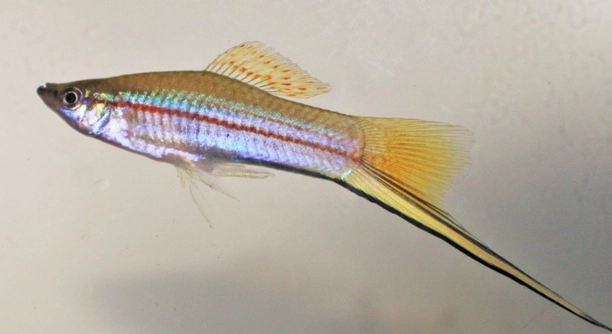
Swordtails are popular aquarium fish, known for their vibrant colors and active nature. These fish often capture attention, leaving owners curious about their ability to sense and respond to emotional changes in their environment.
Swordtails can indeed sense changes in their environment, including emotional shifts. Fish like swordtails may detect alterations in water conditions, behavior of tank mates, or even the mood of their owners. These factors may influence their responses.
Understanding the ways in which swordtails interact with their surroundings can enhance the care and environment you provide, ensuring their well-being.
How Swordtails Sense Emotional Changes
Swordtails are keenly aware of their surroundings. They are sensitive to changes in water conditions, which can affect their behavior. Their ability to detect shifts in their environment, like water temperature or the introduction of new fish, plays a significant role in how they react. Emotional changes in their owners can also influence them, though it’s more subtle. These fish may respond to your movements, tone, or even the energy in the room, suggesting they are attuned to the overall atmosphere.
Fish are naturally reactive to their environment, and swordtails are no different. They may exhibit behavioral changes when experiencing shifts in their habitat or in the behavior of those around them. This sensitivity allows them to adjust accordingly, helping them survive in ever-changing conditions.
Understanding how swordtails interact with their environment can lead to better care and a more harmonious tank. By being aware of how emotional shifts impact their behavior, owners can create a stable, supportive space for these fish. Swordtails, while not exhibiting overt emotions, are clearly affected by changes, whether environmental or emotional. Recognizing these cues can improve your relationship with them and foster a healthier tank atmosphere.
Factors Influencing Swordtail Behavior
Swordtails are affected by both environmental and social factors. Temperature changes, water pH, and even the presence of other fish can lead to noticeable shifts in their behavior. They may become more active or hide if they sense something is wrong. Even small adjustments, like changing the tank setup or adding a new fish, can cause them to feel stressed or unsettled.
A stable tank environment is key for swordtail well-being. Stress from sudden environmental changes, poor water quality, or incompatible tank mates can cause them to act out. They may become skittish or aggressive, showing signs that they are not comfortable. Creating a peaceful tank setup can help maintain their emotional stability, making them less likely to display erratic behavior.
This sensitivity underscores the importance of creating a balanced, stable environment for swordtails. Consistent water parameters and compatible tank mates will keep them calm and healthy. Moreover, understanding their reactions to emotional changes, such as your own stress levels, will allow you to support their needs more effectively.
Swordtail Communication
Swordtails communicate with their environment through body language and movement. They display various signs like rapid swimming or staying still to indicate their mood. These changes can reflect their emotional state, as they may sense shifts in water temperature or other stressors.
Observing your swordtail’s behavior can offer insight into their emotional responses. If they’re swimming erratically or hiding, it may be due to a change in their environment or stress caused by nearby fish. They might also show signs of curiosity, actively exploring their tank. Swordtails are responsive, and understanding these patterns can help maintain a healthier tank environment.
Fish like swordtails are particularly sensitive to their surroundings. They can detect subtle changes in their tank setup, and their behavior may change as a result. Being attentive to these signals helps owners understand their fish’s needs, whether it’s a change in water conditions or emotional shifts that influence their behavior.
The Role of Tank Conditions
Swordtails thrive in stable water conditions. Fluctuations in temperature, pH, or oxygen levels can significantly affect their behavior. It’s crucial to maintain consistent tank parameters to prevent stress and ensure their well-being.
Proper filtration, regular water changes, and monitoring water quality are key to a healthy environment. Swordtails are particularly sensitive to dirty water or changes in chemical levels, which can lead to aggression or hiding. Keeping the water clean not only promotes their physical health but also helps them feel secure. This stability allows them to thrive and remain more active in their tank.
Tank conditions also influence how swordtails react to emotional changes. When water quality is high and stable, they are more likely to behave calmly. Stress from environmental factors like poor water quality may cause them to withdraw or act aggressively. Understanding how water quality directly impacts their emotional state will help you maintain a happier tank.
Swordtails and Social Behavior
Swordtails are social fish that prefer the company of others. They exhibit both calm and playful behavior when kept in groups. If isolated, they may become stressed or exhibit signs of depression.
Keeping multiple swordtails together in a tank promotes healthy interactions. A group dynamic helps them feel secure and reduces stress. Without companions, swordtails can become shy, which may negatively affect their emotional state. Providing tank mates creates a more natural environment, helping swordtails display more vibrant behaviors and interact freely.
Stress Factors for Swordtails
Swordtails are highly susceptible to stress from overcrowding, sudden changes, or aggressive tank mates. Too many fish can lead to competition for space and food, making them feel threatened. Stress can also come from loud noises, handling, or tank disturbances.
Being mindful of your swordtail’s environment helps reduce unnecessary stress. By offering them enough space, compatible companions, and a calm environment, you can create a space that supports their mental and emotional health. Ensuring a stable, peaceful tank allows them to thrive and maintain a positive disposition.
Environmental Enrichment
Swordtails need environmental stimulation to stay active and healthy. Adding plants, hiding spots, and decorations gives them areas to explore and interact with. This enrichment reduces boredom and provides them with a natural habitat.
Creating a diverse environment helps swordtails feel safe and reduces stress. They are more likely to display their natural behaviors when given space to swim, hide, and explore. Providing these enriching elements in your tank supports both their emotional and physical well-being.
FAQ
Can swordtails feel emotions?
Swordtails are not capable of feeling emotions in the same way humans or mammals do. However, they are sensitive to changes in their environment and can react to various stimuli, including shifts in water conditions and the behavior of other fish. These responses can seem like emotional reactions, but they are primarily instinctive reactions to their surroundings. Swordtails are attuned to their environment and can show signs of stress, curiosity, or calmness based on their tank’s stability and the behavior of those around them.
How can I tell if my swordtail is stressed?
Swordtails show signs of stress through changes in behavior. If they are swimming erratically, hiding more than usual, or avoiding interaction with other fish, it may indicate stress. Stress can also cause swordtails to lose their color or become less active. Additionally, if they are constantly darting around the tank or shaking their bodies, they might be feeling overwhelmed. Stress can result from poor water quality, overcrowding, or the presence of aggressive tank mates.
What are the best tank conditions for swordtails?
Swordtails thrive in a tank with stable water conditions. The ideal water temperature should range between 72-78°F (22-26°C), and the water should be slightly alkaline, with a pH between 7.0 and 8.0. Consistent filtration is crucial to maintain clean water, and regular water changes (about 25% every 1-2 weeks) will keep the tank healthy. Swordtails also prefer a well-planted tank with plenty of swimming space and hiding spots. They need sufficient oxygen levels, so ensure that the tank is properly aerated.
Do swordtails prefer to be in groups?
Yes, swordtails are social creatures and thrive when kept in groups. They are most comfortable when surrounded by other swordtails and will often display more natural behaviors, such as swimming together and interacting with one another. A small group of at least 3-4 swordtails is recommended, as this helps reduce stress and allows them to exhibit more lively, social behaviors. Without companionship, swordtails may become stressed, shy, or display less active behavior.
Can swordtails live with other fish?
Swordtails can live peacefully with many other species, especially peaceful community fish. They can be housed with other small to medium-sized species, such as guppies, tetras, and mollies. However, it’s important to avoid keeping swordtails with aggressive or overly territorial fish, as they may become stressed or injured. Avoid housing swordtails with fish that have long, flowing fins, as these could be mistaken for potential mates or food, leading to aggression. Always ensure that your tank mates are compatible in size and temperament.
How often should I feed my swordtail?
Swordtails should be fed 2-3 times a day. Offer small amounts of food that they can consume within 2-3 minutes to avoid overfeeding, which can lead to poor water quality and health issues. A balanced diet of high-quality flake or pellet food, supplemented with occasional live or frozen foods such as brine shrimp or daphnia, helps keep swordtails healthy. Providing variety in their diet ensures they get the proper nutrients, which can also help maintain their vibrant colors.
Why is my swordtail not eating?
If your swordtail is not eating, it could be a sign of stress, illness, or poor water quality. Check your tank’s water parameters to ensure that they are within the optimal range for swordtails. If the water quality is poor, they may lose their appetite. Stress from tank mates, overcrowding, or changes in the environment can also cause them to refuse food. If the issue persists, it could indicate an underlying health problem, and it may be necessary to consult a vet or an experienced aquarium professional.
How long do swordtails live?
Swordtails generally live for about 3 to 5 years with proper care. Their lifespan can vary depending on water quality, tank conditions, and overall health. Providing a stable, stress-free environment and a proper diet can help ensure that they live to the fullest potential of their lifespan. Regular maintenance and monitoring of water parameters are key to preventing health issues that could shorten their life expectancy.
What is the ideal tank size for swordtails?
Swordtails need plenty of space to swim and explore. A 20-gallon tank is the minimum recommended size for a small group of swordtails. For larger groups or if you plan to house other fish, consider a 30-gallon tank or larger. Providing enough space helps reduce stress and prevents territorial behavior. A well-maintained tank with plenty of swimming room is crucial for swordtails’ happiness and health.
Are swordtails easy to breed?
Yes, swordtails are relatively easy to breed, especially when the conditions are right. They are livebearers, meaning they give birth to live young rather than laying eggs. To breed swordtails, ensure that both male and female swordtails are present. A ratio of 1 male to 2-3 females is ideal. Keeping the water clean and stable will encourage breeding. Once the female is pregnant, she will give birth to tiny fry, which can be raised in a separate tank to protect them from adult fish.
Final Thoughts
Swordtails are fascinating fish that exhibit unique behaviors, often influenced by their environment. They are sensitive to changes in water quality, temperature, and tank conditions. While they may not feel emotions like humans, their responses to these factors can resemble emotional reactions. A swordtail’s behavior, whether active or reserved, is often a reflection of their immediate surroundings. It is crucial to provide stable conditions, such as proper water temperature and filtration, to help swordtails thrive. By observing their behavior and adjusting their environment, owners can maintain a healthier and more active fish.
Social interaction is another important aspect of swordtail care. These fish prefer the company of others and are more comfortable in groups. Keeping them with compatible tank mates reduces stress and encourages natural behaviors. Swordtails that are kept alone or in unsuitable tank setups may become withdrawn, less active, or show signs of stress. Therefore, providing a suitable environment with enough space and companions will contribute to a happier and more social swordtail. It’s essential to remember that swordtails, like all fish, need a balance of space, care, and attention to thrive.
Swordtails can be rewarding pets to care for, but it’s essential to understand their needs and behaviors. Regular water changes, proper feeding, and a peaceful environment are key factors in ensuring they live a long and healthy life. While swordtails are hardy and easy to care for, their emotional responses to environmental changes should not be overlooked. Paying attention to the signs of stress or discomfort can help owners address potential issues before they affect the fish’s well-being. With the right care, swordtails can live up to their full potential, providing enjoyment and companionship for years.

Hello,
If you enjoy the content that we create, please consider saying a "Thank You!" by leaving a tip.
Every little bit helps us continue crafting quality advice that supports the health, happiness, and well-being of pets around the world, for pets of all shapes, sizes, and species.
We really appreciate the kindness and support that you show us!