
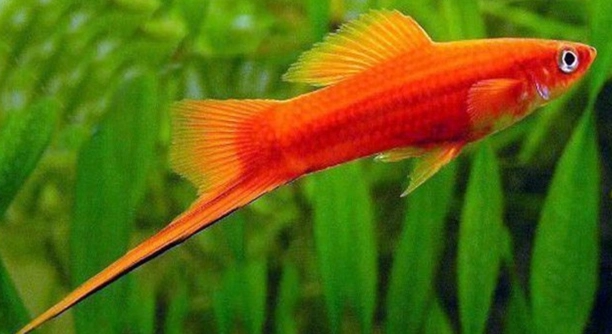
Keeping your swordtail tank in top shape can be a rewarding experience, but it comes with challenges. Small mistakes can lead to bigger issues down the road. Understanding the key points of maintenance is essential for a healthy aquarium.
Many common swordtail tank maintenance mistakes stem from improper water changes, overfeeding, or neglecting regular equipment checks. These missteps can cause water quality to deteriorate, stress fish, and invite harmful bacteria or algae growth.
By addressing these mistakes, you’ll be well on your way to creating a thriving environment for your swordtails. This article will help you avoid costly errors and maintain the perfect tank for your fish.
Overfeeding Swordtails: The Hidden Danger
Overfeeding is one of the most common mistakes people make when caring for swordtails. It’s easy to assume that more food equals happier fish, but this couldn’t be further from the truth. Swordtails, like all fish, have small stomachs, and feeding them too much can lead to several issues, including poor water quality and health problems. Leftover food decomposes in the tank, causing harmful spikes in ammonia and nitrate levels, which can stress your fish or even lead to their death.
Feeding swordtails twice a day with only what they can eat in a few minutes is usually sufficient.
Additionally, overfeeding can cause swordtails to become bloated, leading to swim bladder issues and digestive problems. To prevent this, it’s crucial to monitor the amount of food you offer and remove any excess. Using a feeding ring can help contain the food, ensuring it stays in one spot and is consumed more easily.
Neglecting Regular Water Changes
Water changes are essential to maintaining a healthy tank environment. Skipping or delaying regular water changes can have a serious impact on both water quality and fish health. Over time, waste products from the fish, along with uneaten food and dead plant matter, build up in the water, leading to higher levels of toxins. These toxins can cause your swordtails to become stressed, sick, or even die.
To maintain a clean and safe environment for your swordtails, make sure to perform a 25-30% water change weekly.
It’s important to also clean the substrate during water changes, as debris often collects there. Using a gravel vacuum is an effective way to remove dirt from the bottom of the tank. Keeping up with water changes ensures your swordtails swim in fresh, toxin-free water, promoting better health and activity.
Using the Wrong Water Temperature
Swordtails are sensitive to changes in water temperature, which can affect their health. If the water is too cold or too hot, it can lead to stress, weaken their immune system, and make them more susceptible to diseases.
Make sure to keep the water temperature between 72°F and 78°F for optimal health. Using a reliable aquarium heater is the best way to maintain a steady temperature.
Fluctuations in temperature, especially sudden changes, can shock your swordtails and cause long-term harm. Always monitor the temperature using a thermometer, and never place the tank in areas with extreme heat or cold, like near windows or heaters. A stable temperature will keep your swordtails comfortable and active.
Overcrowding the Tank
Overcrowding is a major problem for swordtails, as it leads to poor water quality and stressed fish. When there are too many fish in a tank, waste products build up faster, and there’s less space for each fish to swim comfortably.
It’s important to know the proper stocking limits for your tank. For swordtails, a general rule is one inch of fish per gallon of water.
Beyond space issues, overcrowding can cause aggression among swordtails, as they’ll compete for territory and food. This constant stress can result in health problems, lower immune resistance, and even fighting injuries. Always ensure there’s enough room for your swordtails to thrive and swim freely, reducing unnecessary stress and health risks.
Improper Filtration
Having a good filtration system is key to maintaining a healthy swordtail tank. A weak filter can’t remove waste, debris, and toxins effectively, which leads to poor water quality.
It’s important to choose a filter that is suitable for your tank size. Aim for a filter that cycles the water at least four times an hour.
A strong filter helps maintain water quality, reduces harmful buildup, and keeps your swordtails healthy. Ensure the filter is properly maintained and cleaned regularly to prevent clogs and malfunction.
Skipping Tank Maintenance
Even with good filtration, regular tank maintenance is essential. A dirty tank, even with a filter, can still cause issues like algae growth, low oxygen levels, or poor water clarity.
Cleaning your decorations, plants, and substrate regularly prevents these issues.
Weekly checks for debris and a monthly deep clean help maintain the environment swordtails need to thrive. Be sure to inspect and clean the filter monthly to ensure it’s working properly.
FAQ
How often should I feed my swordtails?
Swordtails should be fed twice a day, giving them only what they can consume in a few minutes. Overfeeding can lead to water pollution and health issues. It’s best to remove any uneaten food after five minutes to avoid it decomposing in the tank.
What is the best water temperature for swordtails?
Swordtails prefer water temperatures between 72°F and 78°F. Keeping the water within this range promotes healthy growth, reduces stress, and strengthens their immune system. Temperature fluctuations can cause illness, so it’s important to maintain a stable environment with a reliable aquarium heater.
How can I tell if my swordtails are stressed?
Signs of stress in swordtails include rapid breathing, hiding, decreased activity, and faded colors. Stressed fish may also stop eating or display aggressive behavior. Common stress factors include poor water quality, improper temperature, overcrowding, and aggressive tankmates.
What size tank do swordtails need?
Swordtails need at least a 20-gallon tank, though bigger is always better. A larger tank provides more swimming space and makes it easier to maintain water quality. Overcrowding leads to stress and poor health, so follow the guideline of one inch of fish per gallon of water.
Can I keep swordtails with other fish?
Swordtails are peaceful fish but can sometimes be territorial, especially during breeding. They do well with other peaceful fish like tetras, guppies, and mollies. Avoid keeping them with overly aggressive species that may cause stress. Always consider the size and temperament of the other fish in the tank.
How do I breed swordtails in my tank?
Swordtails are livebearers, meaning they give birth to live young. To breed swordtails, keep one male and two or more females together in a tank. Females can give birth every 28 to 30 days. Make sure to provide plenty of hiding spaces for the fry, as adult swordtails may eat them.
Do swordtails need special lighting?
Swordtails don’t require special lighting, but they do benefit from a consistent light cycle. A 10 to 12-hour light period each day will help maintain a natural day-night cycle. Ensure that the light is not too intense to avoid stressing your fish or encouraging algae growth.
How can I tell if my swordtail is sick?
A sick swordtail may show symptoms such as lethargy, loss of appetite, abnormal swimming behavior, or visible lesions and discoloration. If you notice any of these signs, it’s essential to act quickly. Isolate the affected fish in a quarantine tank and seek advice from a vet if necessary.
What is the best substrate for a swordtail tank?
A fine gravel or sandy substrate is ideal for swordtails. Avoid sharp-edged gravel, as it can damage their delicate fins. Swordtails are active swimmers and spend time near the substrate, so a smooth surface is more comfortable for them. Live plants in the substrate also improve water quality.
Can swordtails live with live plants?
Yes, swordtails are compatible with live plants, and they actually benefit from them. Live plants help absorb excess nutrients, improve water quality, and provide hiding spots for fry. Just be sure to choose hardy plants, as swordtails may nibble on softer plant species.
Why is my swordtail not swimming properly?
If your swordtail isn’t swimming properly, it could be a sign of poor water quality, an injury, or an illness. Check your water parameters for issues like ammonia, nitrite, and nitrate levels. If the water is fine, consider whether the fish might be suffering from swim bladder disease or another health problem.
How can I avoid algae in my swordtail tank?
Algae growth is a common problem in aquariums. To prevent it, avoid overfeeding, ensure your tank is not exposed to direct sunlight, and perform regular water changes. Adding algae-eating fish, such as snails or certain species of shrimp, can also help keep algae in check.
Do swordtails need a filter?
Yes, swordtails require a filter to maintain water quality. A good filter helps remove waste, uneaten food, and harmful toxins. Without proper filtration, the water can quickly become polluted, leading to health issues for your fish. Regular filter maintenance is also essential for ensuring optimal performance.
How do I clean the tank without stressing the fish?
Cleaning the tank should be done carefully to avoid stressing the fish. Always use a siphon to clean the substrate and remove debris, and change 25-30% of the water weekly. Avoid using harsh chemicals and make sure the water temperature is similar to the tank’s when performing a water change.
Can swordtails live in a planted tank?
Yes, swordtails thrive in planted tanks. Plants offer them shelter and a more natural environment. Just be sure to choose plants that are sturdy, as swordtails might nibble on delicate species. Additionally, live plants can help improve water quality by absorbing excess nutrients and reducing algae growth.
How can I keep my swordtails healthy?
Maintaining healthy swordtails involves ensuring proper water conditions, providing a balanced diet, and monitoring for signs of illness. Regular water changes, tank maintenance, and using a suitable filtration system are crucial. Avoid overcrowding and offer hiding spots for your fish to reduce stress.
Are swordtails easy to care for?
Swordtails are generally easy to care for, making them a great choice for beginners. They are hardy and adaptable, but they still require proper water conditions, a suitable diet, and a clean tank. Following basic care guidelines will ensure your swordtails live a long, healthy life.
Final Thoughts
Taking care of swordtails can be a rewarding experience, but it’s important to understand the basic requirements for their health and well-being. These colorful fish can thrive in a properly maintained tank with the right conditions. Regular water changes, proper feeding schedules, and a stable environment are key factors to ensure their happiness. By avoiding common mistakes, like overfeeding and neglecting water quality, you can create a thriving environment for your swordtails.
While swordtails are hardy and adaptable, they still require attention to detail. Proper tank maintenance, like cleaning the substrate and checking water parameters, ensures that your fish are not exposed to harmful levels of toxins. Additionally, using a reliable filtration system and maintaining a consistent water temperature are crucial to keeping swordtails healthy. They are peaceful creatures, but can become stressed by overcrowding or aggression from other fish, so always ensure that they have enough space and peaceful companions.
Swordtails are a fun and relatively low-maintenance choice for any aquarium, but they do require some care and attention to detail. By staying on top of their needs and watching for signs of stress or illness, you can help them live long, healthy lives. The key is balance – ensuring a clean, stable environment with proper feeding and tank management will go a long way in preventing common issues. With the right setup and consistent care, your swordtails will continue to brighten your tank for years to come.

Hello,
If you enjoy the content that we create, please consider saying a "Thank You!" by leaving a tip.
Every little bit helps us continue crafting quality advice that supports the health, happiness, and well-being of pets around the world, for pets of all shapes, sizes, and species.
We really appreciate the kindness and support that you show us!