
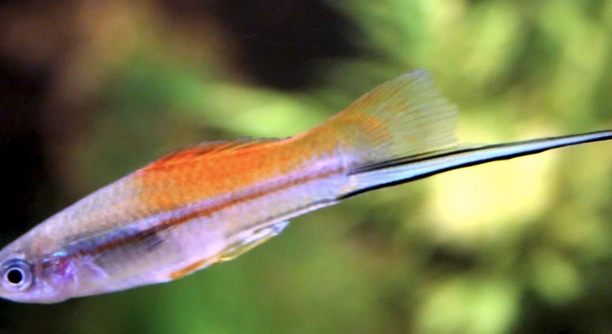
Swordtail fish are a popular choice for aquarium enthusiasts due to their vibrant colors and active nature. However, maintaining a healthy tank requires understanding what can and cannot be added. Certain items can harm these lively fish or disrupt their environment.
When setting up a swordtail tank, it’s important to avoid adding certain items that can negatively affect water quality, disrupt the fish’s behavior, or even lead to health problems. Some common additions can create stress or introduce harmful substances.
By keeping the right elements in your tank, you ensure the well-being of your swordtails. Understanding what to avoid is key to a thriving, healthy aquarium. Keep reading to learn about the most common mistakes.
1. Artificial Decorations with Sharp Edges
When setting up a swordtail tank, you may be tempted to add artificial decorations to make the aquarium look more attractive. However, decorations with sharp edges can pose a serious risk. Swordtails, known for their energetic nature, may swim too close to these sharp objects, leading to potential injuries. Not only can this cause physical harm to the fish, but it also increases the risk of infection, which can be hard to treat in an aquarium setting.
Sharp decorations like plastic plants with pointed leaves or jagged rocks can cause cuts on your swordtails’ delicate fins. Even though these items may appear decorative, they are often a hidden danger. It’s better to choose smooth, rounded objects that provide the same aesthetic appeal but without the risk of harm. If you prefer to keep artificial decorations, make sure they are free of sharp edges and corners.
Choosing the right decorations will help create a safe environment for your fish. By replacing sharp-edged items with safer alternatives, you ensure that your swordtails can swim freely and happily without the threat of injury. This simple change can make a big difference in their overall health and well-being.
2. Overfeeding and Excess Food
Overfeeding is one of the most common mistakes when caring for swordtail fish. While it’s easy to give them too much food, it leads to water quality issues. Uneaten food rots and creates harmful toxins in the tank. This not only affects the water but can also cause stress for the fish.
Excess food left in the tank will decay, raising ammonia levels and making the water toxic. High ammonia levels can lead to health problems for your swordtails, including fin rot and other diseases. Keeping an eye on the amount of food you give them is essential to maintaining a balanced and healthy environment. It’s better to feed smaller portions more frequently rather than overloading the tank with food.
By controlling the amount of food your swordtails receive, you will prevent water contamination and improve their overall health. Stick to feeding them what they can consume in a few minutes, and clean up any leftovers to maintain a clean tank environment.
3. Unfiltered Tap Water
Using unfiltered tap water in your swordtail tank can be harmful. Tap water often contains chemicals like chlorine or chloramine, which can irritate your fish’s skin and gills. These chemicals need to be removed to prevent health issues for your swordtails.
Without proper filtration, chlorine or chloramine can disrupt your tank’s balance. Even small traces of these chemicals can lead to stress or damage your swordtails’ delicate gills. This can cause breathing difficulties and may even be fatal if left untreated. If you’re unsure about your tap water, use a dechlorinator or opt for filtered water.
Before adding water to your tank, always check if it’s free of chlorine and chloramine. This small adjustment can ensure your swordtails stay happy and healthy, with less risk of injury or illness. A simple water treatment product can go a long way in protecting your fish and maintaining a stable tank environment.
4. Tank Mates with Aggressive Behavior
Swordtails are peaceful fish that do well with other non-aggressive species. But adding aggressive tank mates can cause stress and harm to your swordtails. Some fish might nip at their fins or compete for space, making your swordtails anxious.
Aggressive fish can be territorial, chasing and bullying swordtails, which can lead to physical damage over time. This stress can affect their immune system, leaving them vulnerable to disease. It’s important to research the temperament of any fish before adding them to your swordtail tank. You want companions that won’t cause constant tension.
To create a peaceful tank, pair swordtails with calm, non-aggressive species. Fish like mollies, guppies, and other livebearers make great tank mates for swordtails. Avoid placing them with fish that have a history of bullying or territorial behavior. Keeping a harmonious environment will ensure all fish remain healthy and stress-free.
5. Too Much Lighting
While swordtails appreciate bright environments, excessive lighting can be harmful. Too much light can cause stress, affecting their natural behavior and breeding patterns. It can also promote excessive algae growth, making the tank harder to maintain.
Swordtails thrive with moderate lighting that mimics their natural habitat. Overexposure to light can disrupt their sleep cycle, causing them to become restless or lethargic. This stress can make them more susceptible to illness. Maintaining a consistent day-night cycle with controlled lighting will help keep your swordtails comfortable and healthy.
A simple timer can help you regulate the amount of light your swordtail tank receives. Providing the right balance of light ensures that your fish stay happy and active, while avoiding unnecessary problems.
6. Adding Harsh Chemicals
Adding chemicals without proper research can lead to disastrous results. Harsh treatments or products designed for other fish species may not be suitable for swordtails, potentially harming them.
Using chemicals that aren’t specifically formulated for swordtails can disrupt their delicate systems. Certain medications or water conditioners can lead to skin irritation or organ damage. Always choose products labeled safe for swordtails and follow instructions carefully to avoid any unintended harm.
Before adding any treatment to the tank, make sure it’s the right one for your fish. Using appropriate, species-specific products ensures your swordtails remain healthy and safe, preventing unwanted side effects.
FAQ
Can swordtails live with goldfish?
While swordtails are peaceful, they are better off in a tank with fish of similar size and temperament. Goldfish can grow large and tend to be messy eaters, which can lead to water quality issues. Additionally, goldfish are cold-water fish, whereas swordtails prefer warmer temperatures. These differences can cause stress and health issues for both species. It’s best to avoid keeping them together in the same tank.
What is the best water temperature for swordtails?
Swordtails thrive in water temperatures between 72°F and 78°F (22°C to 26°C). This range mimics their natural tropical environment, promoting healthy activity and breeding. If the water gets too cold or too hot, swordtails may become stressed or prone to illness. A reliable aquarium heater can help maintain a stable temperature.
How often should I feed my swordtails?
Swordtails should be fed small portions two to three times a day. They are active feeders, and it’s important to give them only as much food as they can consume in a few minutes. Overfeeding can lead to poor water quality, which harms both the fish and the tank’s environment. Monitor their feeding habits to avoid excess waste.
Do swordtails need a lot of space?
Swordtails do best in a spacious tank. While they can survive in smaller tanks, a minimum of 20 gallons is recommended for a small group. Providing more space allows them to swim freely, reduces stress, and improves water quality. If you plan to keep multiple swordtails, consider a larger tank to accommodate their active nature.
Can I add live plants to my swordtail tank?
Yes, swordtails appreciate live plants in their tank, as they provide shelter, hiding spots, and natural grazing opportunities. Plants also help maintain water quality by absorbing excess nutrients. However, be sure to choose plants that are compatible with the water conditions of your tank, as some plants may require specific care or lighting.
How do I know if my swordtail is sick?
Common signs of illness in swordtails include lethargy, abnormal swimming behavior, faded colors, or loss of appetite. If you notice these symptoms, check water quality and make sure it’s within the appropriate range. You may need to isolate the sick fish in a quarantine tank to prevent the spread of disease. If the symptoms persist, consult an aquarium professional for proper treatment.
How long do swordtails live?
Swordtails typically live for around 3 to 5 years in a well-maintained tank. However, their lifespan can vary depending on the quality of care and water conditions. Providing a balanced diet, stable water parameters, and regular tank maintenance can help ensure that your swordtails live a long, healthy life.
Do swordtails need a filter?
Yes, a good filtration system is essential for swordtails. They produce waste that can quickly pollute the water, leading to poor water quality and health problems. A filter helps remove excess waste, debris, and toxins from the tank, keeping the water clean and oxygenated. Ensure the filter’s flow rate is appropriate for the tank size and does not create too much current for the swordtails.
Can swordtails breed in a community tank?
Swordtails are livebearers and can breed in a community tank. If you have both males and females, it’s likely that they will breed. Keep in mind that swordtails can reproduce quickly, and you may end up with many fry. If you don’t want to deal with fry, consider adding only males or keeping males and females in separate tanks.
How can I prevent swordtails from fighting?
Swordtails are generally peaceful, but males can become territorial, especially when competing for mates. To prevent fighting, ensure there are enough hiding spots and visual barriers in the tank, like plants or decorations. Keeping a higher ratio of females to males can also help reduce aggressive behavior, as males tend to focus on competing for mates rather than fighting each other.
Is it necessary to have a heater in a swordtail tank?
Yes, swordtails are tropical fish that require a stable, warm environment to thrive. A heater ensures the water remains within the optimal temperature range, which is essential for their overall health and well-being. Without a heater, the tank may fluctuate in temperature, causing stress to the fish and making them more susceptible to illness.
Final Thoughts
Caring for swordtail fish can be a rewarding experience if you take the time to create the right environment for them. These fish are relatively easy to care for, but there are some important considerations to ensure they stay healthy and happy. By paying attention to their water quality, choosing the right tank mates, and avoiding common mistakes like overfeeding or using harsh chemicals, you can maintain a thriving swordtail tank.
One of the most important things to remember is that swordtails, like all fish, rely on stable conditions to thrive. This includes maintaining a proper water temperature, avoiding sharp-edged decorations, and ensuring a balanced diet. Taking the time to monitor water quality and provide the right lighting will go a long way in keeping your swordtails comfortable. Additionally, choosing peaceful tank mates is key to reducing stress and preventing aggression in the tank. Swordtails are social fish, but they do best in a calm, peaceful environment.
Ultimately, creating a successful tank for your swordtails is about balance. Make sure they have enough space to swim, a safe and clean environment, and the right care to stay healthy. If you keep their needs in mind, swordtails can thrive in your tank for several years. With proper care, your swordtails will bring color and life to your aquarium, and you’ll be able to enjoy watching their playful behavior. By avoiding the things that can harm them, you’re setting the stage for a long and happy life for your fish.

Hello,
If you enjoy the content that we create, please consider saying a "Thank You!" by leaving a tip.
Every little bit helps us continue crafting quality advice that supports the health, happiness, and well-being of pets around the world, for pets of all shapes, sizes, and species.
We really appreciate the kindness and support that you show us!