
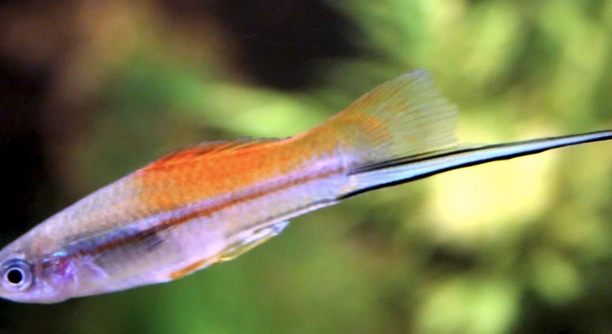
Have you ever looked into your aquarium and noticed your swordtail nibbling away at plant leaves, wondering what it might mean?
Swordtails may chew on leaves due to boredom, nutritional deficiencies, or the presence of algae on the plants. This behavior is typically harmless but could also signal a need for dietary adjustments or habitat enrichment.
Exploring the reasons behind this behavior can help you make small changes that lead to a healthier and more engaging environment for your swordtail.
Possible Reasons for Leaf-Chewing in Swordtails
Swordtails chewing on plant leaves can be linked to several simple causes. One of the most common is algae buildup. Leaves with thin layers of algae may attract fish, as they like to graze on it. Another reason might be boredom—if there aren’t enough plants, hiding spots, or tank mates, swordtails may resort to nibbling on leaves out of habit. Poor diet is another factor. When fish don’t get the nutrients they need from their food, they may start nibbling on plants. Lastly, sometimes it’s just natural behavior. Swordtails often explore their environment by pecking at various surfaces, and soft plant leaves are easy targets.
Chewing alone doesn’t always indicate a problem, especially if your fish looks healthy and active.
Still, keeping an eye on patterns and noticing if the behavior gets worse or more frequent can help you decide whether it’s time to make small changes in your tank setup.
What You Can Do About It
Add a more balanced variety of food that includes plant-based flakes or blanched vegetables like zucchini.
Improving the tank setup is also helpful. Make sure your swordtail has enough to do—this includes plenty of swimming space, live plants, and places to explore or hide. Avoid overcrowding, as stress from too many fish can cause changes in behavior. Try adding more live plants or decorations that promote movement and engagement. Keep the tank water clean, and do regular checks for ammonia or nitrate levels. If you see algae on plant leaves, gently clean them to reduce temptation. Changing the type of plant might also help—swordtails are more likely to chew on soft plants than on sturdier varieties. Feeding your fish smaller portions more frequently throughout the day might also redirect their nibbling instinct. Each of these changes can gently shift your swordtail’s behavior back to normal without making any drastic adjustments.
Signs It Might Be a Problem
If your swordtail is chewing constantly, especially at multiple plants, it could be a sign something’s off. Watch for shredded leaves, unusual swimming patterns, or a sudden change in appetite. These behaviors may mean the fish is stressed or lacking proper nutrition.
Check the quality of the food you’re offering. Sometimes, fish food loses nutrients if stored too long or exposed to moisture. Try offering different types, like sinking pellets, frozen bloodworms, or spirulina flakes. If your swordtail shows more interest in plants than in its meals, it might not be getting what it needs. Also, observe how other fish in the tank behave—stress in one fish can be linked to tension in the group. Small changes in tank environment, like temperature shifts or low oxygen levels, can also cause odd behaviors. Keep track of these signs to catch a bigger issue before it grows.
Poor water quality is often overlooked. Even a slight increase in ammonia or nitrates can stress your fish, making them act out in odd ways like leaf-chewing. Make sure to test water levels weekly using a simple test kit. Clean the tank regularly, and don’t skip water changes. If you use tap water, be sure it’s treated to remove chlorine. Consider adjusting filtration or adding an air stone if oxygen seems low. A stable, clean environment keeps fish behavior more predictable. Also, observe your fish after feeding—do they still nip at leaves right after a meal? If so, it could point to habit or boredom instead of hunger. Regular monitoring can help you connect small details over time.
Choosing the Right Plants
Soft plants are easier for swordtails to chew on, so switching to sturdier types may help. Java fern, Anubias, and hornwort are good options. These plants have tougher leaves and are less tempting for nibbling, while still adding oxygen and cover to your tank.
Some swordtails may still peck at these tougher plants, but not enough to cause damage. Adding floating plants like duckweed or water lettuce can also provide a distraction and give your fish more places to explore. The goal is to create a more engaging space without offering soft leaves as easy targets. You can also try rotating plant types now and then to keep things interesting for your fish. Just make sure any new plants are properly cleaned before placing them in the tank to avoid pests or algae. The combination of tougher plants and small adjustments can go a long way in reducing leaf-chewing behaviors.
When to Be Concerned
If your swordtail starts ignoring food, hides more often, or shows faded color, the chewing may be linked to stress or illness. Changes in behavior often point to something deeper than simple curiosity or habit.
Look out for clamped fins, ragged tails, or visible marks on the body. These could mean infection, poor water conditions, or aggression from other tank mates.
Monitoring Your Tank Regularly
Check water parameters weekly using a basic test kit. Look for stable levels in pH, ammonia, nitrite, and nitrate. A slight imbalance can stress your swordtail, even if everything else seems fine. Watch your fish after feeding and observe how they interact with the tank. Over time, these small check-ins help catch problems early.
Other Fish Doing the Same Thing
If more than one fish is nibbling plants, it’s likely a tank-wide issue. Try adjusting food variety and increasing enrichment for the whole group.
FAQ
Why is my swordtail chewing the leaves even though it’s well-fed?
Swordtails might chew on leaves for reasons unrelated to hunger. They could be bored or stressed, especially if the tank lacks enough stimulation or hiding places. Plants provide a natural environment for them to explore, and nibbling may just be part of their behavior. If your swordtail has access to plenty of food, the chewing is more likely a result of curiosity or habit than actual hunger.
How can I stop my swordtail from eating my plants?
To reduce plant damage, consider adding tougher, more durable plants like Java fern or Anubias. These plants are harder to chew on and provide a healthier environment for your fish. You can also try adding more hiding spots, decorations, and other forms of enrichment. The goal is to offer alternatives to plant chewing.
Could my swordtail’s chewing be a sign of a health problem?
Yes, persistent or excessive chewing can sometimes signal health issues. If your swordtail seems lethargic, loses color, or ignores food, there may be an underlying problem. Stress, water quality issues, or nutrient deficiencies can all contribute to unusual behavior. Monitor your swordtail closely, and if any signs of illness appear, consult a vet or aquarium expert.
Can I feed my swordtail more plant-based food to prevent it from chewing on plants?
Yes, feeding more plant-based foods, like algae wafers or blanched vegetables, can help satisfy your swordtail’s need for plant matter. Offering a variety of foods will also ensure that it receives a balanced diet, reducing the desire to chew on live plants. However, keep in mind that swordtails still need animal-based protein, so avoid switching entirely to plant food.
How often should I feed my swordtail?
Swordtails thrive on regular meals. You should feed them small portions two or three times a day. Offering food more frequently helps prevent boredom, and smaller meals are easier for your fish to digest. Be mindful of overfeeding, as uneaten food can lead to poor water quality.
How can I improve water quality to reduce stress in my swordtail?
Maintaining clean water is key to preventing stress and reducing unwanted behaviors like leaf-chewing. Regularly test your water for ammonia, nitrites, nitrates, and pH. Aim for consistent water changes, ideally once a week. Also, keep the filtration system in good condition and remove any debris that might build up on the tank floor. Adding an air stone can also improve oxygen levels, promoting a healthier environment.
Should I be concerned if my swordtail chews on artificial plants?
While artificial plants are generally safe, they can sometimes have rough edges that could harm your fish. If your swordtail chews on them frequently, make sure they are made from smooth, non-toxic materials. If you notice any damage to your fish’s fins or mouth, consider replacing the artificial plants with safer options or focusing more on live plants.
Is it normal for swordtails to chew on plants in a community tank?
Yes, swordtails are naturally curious and might chew on plants in a community tank. However, if the behavior seems excessive or is damaging the plants, it may be a sign that they need more enrichment or a different type of plant. Ensure that all fish in the tank have enough space and that no one is feeling stressed or overcrowded.
Can I use chemicals to prevent my swordtail from chewing plants?
It’s not advisable to use chemicals to stop your swordtail from chewing plants, as they may harm the fish or affect the overall health of the tank. The best solution is to address the root cause—whether it’s boredom, diet, or water quality—and make necessary adjustments in the environment.
What’s the best type of food for a swordtail that chews on plants?
A variety of high-quality foods will meet your swordtail’s needs. Offer protein-rich options like flakes, pellets, and frozen foods like brine shrimp or bloodworms. To satisfy its plant cravings, add vegetable-based options like spirulina flakes or blanched zucchini. This balanced approach ensures they get all the nutrients they need while reducing the need to chew on plants.
How can I keep my swordtail entertained?
Swordtails enjoy swimming and exploring, so adding decorations, plants, or hiding spots can help keep them engaged. Use different types of plants, rocks, and caves to encourage exploration. Introducing tank mates that are peaceful and interactive will also help reduce any boredom-related behavior like chewing.
Should I worry if my swordtail chews on the same plant repeatedly?
If your swordtail keeps chewing on one specific plant, it may have a preference for it. Some plants, like soft-leaved ones, are more appealing to fish than others. If this is happening, consider switching to a more durable plant or increasing the number of plants in the tank. This will give your swordtail more choices and reduce its focus on one particular plant.
Could tank temperature affect my swordtail’s chewing behavior?
Yes, temperature plays a role in swordtail behavior. If the water is too warm or too cold, swordtails can become stressed, leading to abnormal behaviors like excessive chewing. The ideal temperature for swordtails is between 72°F and 82°F (22°C to 28°C). Keep your tank within this range to prevent stress and encourage natural behavior.
Does leaf-chewing mean my swordtail is unhappy?
Not necessarily. Chewing on leaves is often a natural behavior, but it could indicate that your swordtail is bored or under-stimulated. Ensure your fish has plenty of space, hiding spots, and a varied diet to keep it mentally and physically healthy.
Final Thoughts
Swordtails chewing on plant leaves can be a normal behavior, but it’s important to understand why it’s happening. In many cases, it’s simply a natural part of their exploration and grazing habits. These fish are curious by nature, and nibbling on plants is a way for them to interact with their environment. It’s also possible that your swordtail is chewing because it’s bored, lacks enough hiding spots, or doesn’t have enough to explore. In these cases, improving the tank environment by adding more plants, decorations, or hiding spots could help reduce the leaf-chewing behavior.
However, persistent or excessive chewing can sometimes indicate a deeper issue. If your swordtail seems to be chewing plants more often than usual or appears stressed, it could be a sign of poor water quality, a nutritional deficiency, or even an underlying health problem. Monitoring water quality, ensuring proper feeding, and offering a variety of food can help address some of these issues. A clean and balanced environment goes a long way in keeping your swordtail healthy and minimizing behaviors like excessive leaf-chewing. If you notice other signs of illness, such as changes in swimming patterns, color fading, or loss of appetite, it’s important to take action quickly. These could be signs of stress or illness that require attention.
The key to solving leaf-chewing behavior is observation and patience. Small changes in diet, tank environment, and water quality can help reduce this behavior without the need for drastic measures. By providing a balanced environment with a variety of plants, hiding places, and proper nutrition, you can help ensure that your swordtail stays happy and healthy. Just remember that chewing on plants doesn’t always signal a problem. It’s often a normal part of their behavior, but if it seems excessive or is paired with other concerning symptoms, it’s important to look deeper into the possible causes and address them. With the right care, your swordtail can enjoy a healthy, thriving life without the worry of excessive plant damage.

Hello,
If you enjoy the content that we create, please consider saying a "Thank You!" by leaving a tip.
Every little bit helps us continue crafting quality advice that supports the health, happiness, and well-being of pets around the world, for pets of all shapes, sizes, and species.
We really appreciate the kindness and support that you show us!