
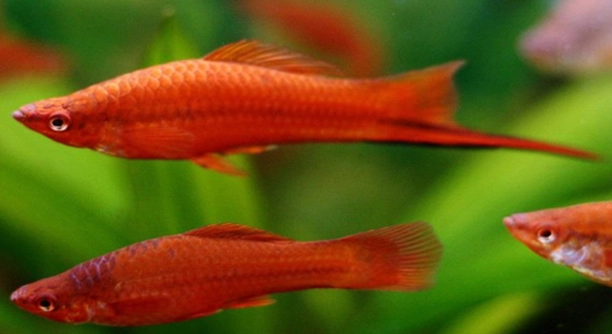
Do you ever find yourself worried that your swordtail fish is acting jumpy or hiding more than usual in its tank?
The best way to calm a nervous swordtail fish is to create a stress-free environment by maintaining clean water, offering hiding spots, minimizing loud noises, and avoiding sudden movements. These factors help reduce anxiety and support healthy behavior.
A few small changes can make a big difference for your fish’s comfort. The steps ahead are easy to follow and fish-keeper friendly.
Provide Hiding Spots in the Tank
A swordtail fish can become nervous if it doesn’t feel secure in its environment. One of the easiest ways to reduce this stress is by offering plenty of hiding spaces. You can add live or artificial plants, small caves, driftwood, or decorations with openings where your fish can retreat when it feels overwhelmed. These areas help create a sense of safety, especially if your fish shares the tank with others. Without proper shelter, swordtails may become anxious, constantly swimming in corners or avoiding other fish. Hiding spots also help reduce territorial disputes and give your fish a space to rest.
Make sure the hiding spots don’t block too much swimming space. Swordtails are active swimmers and still need open areas.
A good balance between open water and covered zones will keep your swordtail active yet relaxed. Try rearranging decorations if you notice any signs of nervous behavior in your fish.
Keep the Water Conditions Stable
Fluctuating water conditions are a common reason swordtails get stressed.
Swordtail fish are sensitive to changes in water temperature, pH levels, and cleanliness. If the tank water is not properly maintained, it can cause health issues and stress. The temperature should stay between 72°F and 79°F, and the pH should be between 7.0 and 8.3. You’ll also need to keep ammonia and nitrite levels at zero, and nitrates below 40 ppm. Use a good quality filter and test your water weekly to ensure everything stays in the safe range. If you add new water during changes, make sure it’s treated and matches the temperature of the tank. Sudden shifts can easily scare or harm your fish. Clean water not only reduces stress but also supports strong immune systems, helping swordtails avoid illness. A stable tank helps fish behave more naturally, leading to better eating and less hiding. Regular attention to water quality is key to keeping your fish calm and content.
Reduce Loud Noises and Vibrations
Loud sounds and tank vibrations can stress swordtail fish. Tanks placed near TVs, speakers, or high-traffic areas may expose fish to constant disturbances. Over time, this can lead to hiding, loss of appetite, and erratic swimming behavior. Keeping the tank in a quiet space helps reduce anxiety.
Try to avoid tapping on the glass or sudden, loud movements around the tank. If you have children or pets, remind them to be gentle near the aquarium. Even placing the tank on a stable surface can help reduce vibration from footsteps or nearby appliances. You don’t need to keep the room silent, but consistent noise levels are easier for fish to adjust to. Soft music or background sounds are usually fine, as long as the volume stays low. These small changes can keep your swordtail fish relaxed and more likely to swim out in the open comfortably.
A calmer environment can also encourage natural behavior. Swordtails are more active and sociable when they aren’t constantly reacting to disruptions. If you’ve recently moved your tank or changed something near it, give your fish a few days to adjust. Watch for signs like darting, hiding, or clamped fins—they may point to sound-related stress. Small changes in their surroundings often lead to big improvements in mood.
Avoid Sudden Changes
Swordtail fish prefer routines. Sudden shifts in lighting, feeding, or tank layout can cause stress. Even quick movements near the glass may startle them. Gradual changes are easier for fish to handle and lead to a more stable tank mood.
If you’re adjusting their diet, introduce new food slowly by mixing it with what they’re used to. When cleaning or rearranging the tank, try to move decorations a little at a time rather than changing everything at once. Use a timer for the lights so the fish get used to regular day and night cycles. Sudden lighting can make them dash around in panic. It’s also helpful to keep a consistent feeding schedule. Try feeding your swordtails at the same time every day. Predictability helps them feel safer. Watch your fish closely during changes. If they act nervous or stop eating, it may be a sign that the adjustment was too fast.
Limit Aggressive Tankmates
Swordtail fish are generally peaceful but can become nervous when housed with aggressive or territorial tankmates. Avoid keeping them with fin-nippers or fast-chasing fish. Stress from bullying can cause them to hide, lose color, or refuse to eat.
If your swordtail seems scared or stays near the surface or corners, it might be reacting to another fish. Observe the tank closely and separate aggressive species if needed. A peaceful community helps swordtails stay calm and active throughout the day.
Keep a Consistent Feeding Schedule
Feeding your swordtail fish at the same times each day helps them feel secure. Irregular feeding can cause anxiety or lead to health issues. Swordtails do best with small meals given once or twice daily. Avoid overfeeding, as uneaten food can dirty the tank and raise stress levels. Use high-quality flakes or pellets made for tropical fish. Occasionally, you can include treats like brine shrimp or daphnia. Keep feeding times consistent, and try not to skip days. If your fish begins to associate a routine with mealtime, it will feel more comfortable and behave more normally in the tank.
Avoid Overcrowding
Too many fish in one tank can lead to stress and territorial behavior. Swordtails need space to swim and areas to retreat. Keep your tank population balanced.
FAQ
How can I tell if my swordtail fish is nervous?
A nervous swordtail may hide often, swim in jerky patterns, or stay in one spot for a long time. It might avoid other fish, stop eating, or show pale coloring. You could also notice clamped fins—where the fins are held close to the body—and quick darting movements if startled. These behaviors often happen when there are loud sounds, sudden movements, poor water conditions, or aggressive tankmates. If you see these signs, it’s a good idea to check the tank setup and make sure everything feels safe and calm for your fish.
What should I avoid doing around the tank to help my fish stay calm?
Avoid tapping on the glass or making sudden movements near the tank. Try not to place the tank in a high-traffic area or next to loud speakers or TVs. Don’t change the lighting quickly or lift the lid too fast. All of these can startle your fish and make them nervous. When cleaning or feeding, move slowly and gently. Also, avoid overcrowding the tank, which can lead to stress and make fish feel like they have no space to rest or hide. Consistent and calm surroundings help swordtails feel at ease.
Do swordtails need tank mates to feel calm?
Swordtails are social and usually prefer the company of other peaceful fish. Being alone may lead to stress or boredom, but being with the wrong fish can also cause fear. It’s important to choose compatible tankmates, like mollies, platies, or guppies. These species usually have similar temperaments and care needs. Avoid pairing swordtails with fish that chase or nip fins, as this causes anxiety. If you notice tension, you might need to separate fish or add more space. A peaceful community tank helps swordtails feel secure and encourages more active, healthy behavior.
How long does it take for a nervous swordtail to calm down?
That depends on the cause of the stress and how quickly it’s fixed. If the issue is minor—like loud noise or a quick movement—your fish might calm down in a few minutes. But if it’s due to poor water quality or aggressive tankmates, it could take several days or longer after changes are made. Be patient and consistent. Try to give your fish a calm, predictable routine and avoid further disruptions. Sometimes, a fish may take a week or more to fully return to normal after being stressed. Watch closely for improvements each day.
Can I use products to calm my swordtail fish?
There are water conditioners that include calming ingredients like natural stress reducers, often with herbal extracts or aloe vera. These can help during tank cleanings, water changes, or when introducing new fish. However, they’re not a long-term solution. It’s more important to keep the tank stable, clean, and peaceful. Use products only when needed, and always read labels to make sure they’re safe for tropical fish. Too many additives can throw off your water chemistry, so it’s better to rely on consistent care and a peaceful environment for keeping your swordtail calm.
Do lighting changes affect swordtail fish stress?
Yes, sudden changes in lighting can startle swordtails. Quickly turning lights on or off might cause them to dash around the tank or hide. A better method is to use a timer so the lights turn on and off gradually and at the same times every day. You can also try dimming the lights slightly before full darkness, or using ambient room light as a transition. Swordtails get used to patterns, and sticking to a regular lighting schedule can help them feel more relaxed. Bright, flickering lights or inconsistent lighting can increase anxiety and lead to unusual behavior.
Final Thoughts
Helping a nervous swordtail fish feel calm is mostly about creating a stable and peaceful tank environment. Small changes, like keeping the water clean, avoiding sudden movements, and adding hiding spots, can make a big difference. Fish may not show emotions like people do, but they do respond to their surroundings. If their tank feels safe, they will swim more, eat better, and show brighter colors. These are signs that your swordtail feels at ease and healthy. Watching your fish become more active and relaxed is a good sign that your efforts are working.
It’s important to pay attention to your fish’s behavior. A nervous swordtail might hide, stop eating, or act differently. These signs can help you understand what your fish needs. Sometimes it may be something simple, like a loud sound or a new fish in the tank. Other times, it could be water issues or tank overcrowding. By watching closely and making careful changes, you can create the kind of environment where your fish can thrive. Routines help too. Regular feeding, gentle cleaning, and a steady light schedule all play a part in making your swordtail feel safe.
Every fish is different, and some take more time to adjust than others. That’s okay. What matters most is that you stay consistent and pay attention. There is no need to use fancy tools or treatments in most cases. A clean tank, peaceful tankmates, and a calm environment are usually enough. When your fish feels comfortable, you’ll notice a big change in how it behaves. It might start swimming more in the open, showing brighter colors, and even exploring parts of the tank it used to avoid. Keeping a swordtail fish calm isn’t hard, but it does take care, patience, and a little daily attention.

Hello,
If you enjoy the content that we create, please consider saying a "Thank You!" by leaving a tip.
Every little bit helps us continue crafting quality advice that supports the health, happiness, and well-being of pets around the world, for pets of all shapes, sizes, and species.
We really appreciate the kindness and support that you show us!