
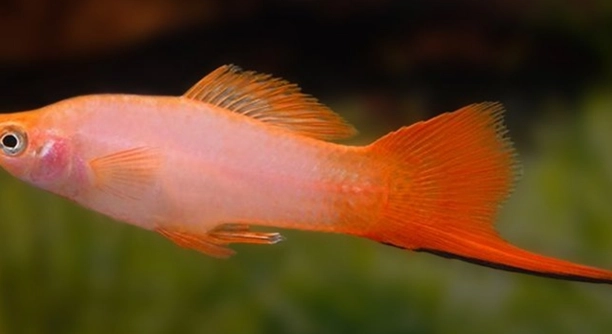
Swordtails are popular aquarium fish, known for their peaceful nature and vibrant colors. However, some tankmates can cause stress, leading to health issues or aggressive behavior. It’s important to choose companions carefully.
Certain fish species can stress out swordtails quickly, especially if they are too aggressive or territorial. Fish with fast movements or nippy tendencies can disturb the calm environment that swordtails thrive in, resulting in stress and discomfort.
Understanding which tankmates cause stress can help you create a more peaceful environment for your swordtails. We’ll explore the species that might be problematic and offer solutions to keep your fish happy and healthy.
Aggressive Fish That Stress Out Swordtails
Aggressive fish can cause considerable stress to swordtails. Species like cichlids and bettas are known for their territorial behavior, making them unsuitable tankmates. These fish often display aggressive tendencies, such as chasing or fin nipping, which disrupt the peaceful nature swordtails enjoy. Swordtails, being calm and social, are not equipped to handle such aggression, which leads to anxiety and stress.
Aggressive species can physically harm swordtails or make them too stressed to eat. This type of stress impacts their overall health, weakening their immune system and leaving them vulnerable to diseases.
Creating a peaceful tank environment is essential for the wellbeing of swordtails. Carefully researching potential tankmates will help avoid the common pitfalls of mixing aggressive species. Always ensure that tankmates have compatible temperaments to keep stress levels low and everyone happy.
Fish That Compete for Space
Fish that compete for space can make swordtails uneasy. Species like goldfish and certain types of tetras may fight for territory, causing stress and aggression. Swordtails are active swimmers that need room to move freely.
In crowded tanks, swordtails may feel cornered or harassed, leading to anxiety and poor health. The stress from overcrowding can also cause their fins to deteriorate and reduce their lifespan. Make sure your tank has enough space for all inhabitants to avoid this issue.
By selecting tankmates that share similar space needs, you can promote harmony in the aquarium. Proper tank size and strategic fish placement are key to maintaining peace.
Fast-Moving Fish That Stress Out Swordtails
Fast-moving fish, like danios or rainbowfish, can stress out swordtails. These species tend to swim quickly and energetically, which may cause swordtails to feel constantly on edge. Swordtails are not as fast or competitive, so they may struggle to keep up, leading to anxiety.
Swordtails are peaceful swimmers, and a calm environment is essential for their health. When placed with fast-moving species, swordtails can feel overwhelmed and stressed. This constant stress reduces their ability to socialize and thrive. Swordtails might also become more prone to hiding or becoming reclusive, which is detrimental to their well-being.
Choosing tankmates with similar swimming speeds will reduce the chance of stress. A more balanced pace in the tank will help all fish feel secure. Avoid placing overly energetic species with swordtails, as it will disrupt their calm demeanor and could lead to long-term health issues.
Territorial Fish That Cause Stress
Territorial fish like certain cichlids or goldfish may cause stress by constantly claiming areas of the tank. Swordtails, being peaceful fish, are not inclined to challenge other fish for space, which makes them vulnerable to territorial aggression.
This aggression leads to stress, as swordtails may feel trapped or chased away from their preferred areas. The stress can affect their behavior, making them more passive or less active than usual. It’s important to understand that swordtails prefer to peacefully coexist with tankmates rather than fight for territory.
By selecting non-territorial fish and providing plenty of hiding spots in the tank, you can prevent this type of stress. Giving each fish their own space and reducing territorial disputes ensures a harmonious environment for everyone.
Noisy Fish That Stress Out Swordtails
Noisy fish, like catfish or some species of tetras, can disturb the peaceful nature of swordtails. The constant sounds or vibrations from these active swimmers can increase stress levels for swordtails, making them uneasy.
Swordtails prefer a calm and quiet tank. Excessive noise from fast or active fish can create an environment that feels unstable, causing stress. This constant disturbance can affect their health and overall behavior, resulting in a less enjoyable tank experience.
Fish That Nibble on Swordtail Fins
Some fish, like barbs, may nibble on the fins of swordtails. This can be incredibly stressful for swordtails, causing physical damage and emotional distress.
The constant harassment can prevent swordtails from swimming freely and may lead to infections or other health issues. Keeping species that respect the swordtails’ boundaries will allow them to thrive without the threat of fin damage.
Fish That Prefer Different Water Conditions
Fish that prefer different water conditions, such as pH, temperature, or hardness, can stress swordtails. Swordtails require stable water conditions to stay healthy, and any drastic changes can negatively affect their well-being.
When housed with species that require vastly different water conditions, swordtails may not be able to adapt as easily. Over time, this stress can weaken their immune system and make them more susceptible to diseases. Ensuring all tankmates share similar water requirements is key to a harmonious tank environment.
FAQ
What are the best tankmates for swordtails?
Swordtails do best with peaceful and non-territorial fish. Good tankmates include mollies, guppies, platies, and other calm community fish. These species share similar water requirements and are unlikely to stress swordtails. Choosing tankmates that are not overly aggressive, territorial, or fast-moving will help ensure swordtails feel secure and thrive in a community setting. Make sure the tank is large enough to provide each fish with their own space and hiding spots if needed.
Can swordtails live with bettas?
Swordtails should not be kept with bettas. Bettas are known for their territorial and aggressive behavior, especially towards other males or colorful fish. Swordtails, being peaceful, can become stressed by the betta’s aggression. Bettas may even nip at their fins or chase them, leading to physical and emotional harm. It’s best to avoid housing these two species together to prevent stress and possible injury.
How do I know if my swordtail is stressed?
Signs of stress in swordtails include hiding, reduced activity, erratic swimming, loss of appetite, and faded colors. Stress can also manifest as fin damage or clamped fins. If swordtails are stressed by their tankmates, they might isolate themselves or swim in a specific area away from others. If you notice these signs, it’s important to check the tank environment, water quality, and ensure that tankmates are not causing harm or discomfort.
Can I keep swordtails with goldfish?
Swordtails should not be kept with goldfish. Goldfish have different water temperature requirements, often preferring cooler water, while swordtails thrive in warmer conditions. Additionally, goldfish can be more aggressive and might harass swordtails, especially if the goldfish feels territorial or hungry. Keeping these species together is not ideal for the health and well-being of either fish.
Are swordtails easy to care for?
Swordtails are relatively easy to care for, making them a great choice for beginner aquarium owners. They adapt well to a variety of water conditions and are hardy. However, they do require proper tank conditions, including a consistent water temperature between 72°F and 82°F, and a good filtration system. Ensuring they are housed with compatible tankmates will also help keep stress levels low, contributing to their health and longevity.
What size tank do swordtails need?
Swordtails need at least a 20-gallon tank for a small group. They are active swimmers and require plenty of space to move around comfortably. A larger tank is preferable if you plan on keeping them with other species. Adequate swimming space and hiding spots will reduce stress and help maintain a harmonious environment.
Can swordtails live with shrimp?
Swordtails can generally live with shrimp, but there are a few things to consider. Swordtails may see smaller shrimp as food, especially if the shrimp are newly introduced or smaller in size. It’s best to keep swordtails with larger or adult shrimp species that can avoid being eaten. Shrimp can help keep the tank clean by eating algae and leftover food, which benefits the overall environment.
How do swordtails reproduce?
Swordtails are livebearers, meaning they give birth to live young instead of laying eggs. A female swordtail can store sperm from males and may give birth to several batches of fry. After mating, the female will carry the eggs for about 4 to 6 weeks before giving birth to small, fully-formed fry. The fry can be kept in a separate tank or protected in a breeding box to prevent them from being eaten by adults.
What do swordtails eat?
Swordtails are omnivores and have a varied diet. They can be fed high-quality flakes or pellets designed for tropical fish. Supplementing their diet with frozen or live foods, such as brine shrimp, bloodworms, or daphnia, will provide additional nutrients. It’s important to feed them a balanced diet to maintain their health and vibrant colors.
How often should I feed swordtails?
Swordtails should be fed 1 to 2 times per day, but only as much as they can eat in 2 to 3 minutes. Overfeeding can lead to water quality issues and obesity in fish. It’s essential to provide them with varied food, including both plant-based and protein-rich options. Ensure that uneaten food is removed from the tank to maintain clean water.
Can swordtails live with other livebearers?
Swordtails can live with other livebearers like guppies, mollies, and platies, as they share similar temperaments and water requirements. These species are peaceful, making them suitable companions for swordtails. Just be mindful of overpopulation in the tank, as livebearers can breed quickly. Providing enough space and hiding spots can help manage any fry that are born.
Final Thoughts
Swordtails are generally peaceful and hardy fish, making them a great choice for a community tank. They do well with other calm and compatible species, but it’s important to be mindful of their specific needs. Stress is one of the biggest factors that can affect their health, so choosing the right tankmates is crucial. Fast-moving, territorial, or aggressive fish can cause unnecessary stress, which may lead to illness or behavioral changes. Therefore, selecting tankmates that have similar temperaments and water requirements will help swordtails thrive.
In addition to choosing appropriate tankmates, maintaining good water quality and providing enough space is essential. Swordtails are active swimmers and need room to move around comfortably. Overcrowding can lead to stress and poor water conditions. A tank size of at least 20 gallons is recommended for a small group of swordtails, and larger tanks are ideal if you plan to house them with other species. Regular water changes and proper filtration help maintain a healthy environment for all fish in the tank.
Overall, swordtails can make a beautiful and low-maintenance addition to your aquarium. By paying attention to their specific needs and creating a peaceful environment, you can enjoy watching them flourish in your tank. While there are certain fish that may not be suitable companions for swordtails, many peaceful species will coexist well with them. With the right care and consideration, swordtails can live happy, healthy lives and bring color and movement to your aquatic setup.

Hello,
If you enjoy the content that we create, please consider saying a "Thank You!" by leaving a tip.
Every little bit helps us continue crafting quality advice that supports the health, happiness, and well-being of pets around the world, for pets of all shapes, sizes, and species.
We really appreciate the kindness and support that you show us!