
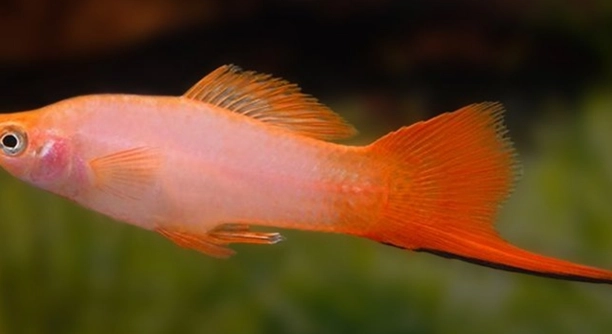
Swordtails are lively and social fish, making them great pets for aquariums. However, like all animals, they can experience loneliness. Understanding how to spot signs of loneliness in your swordtail will help keep them happy and healthy.
A lonely swordtail can display behavior such as swimming aimlessly, hiding, or losing its vibrant colors. This lack of social interaction can cause stress and lead to health issues. Proper tank mates and attention can prevent these signs.
Learning how to recognize these signs is crucial in providing the best care for your swordtail. Understanding their needs ensures they remain content and active in their aquatic home.
Lack of Tank Mates
Swordtails are social fish that thrive when surrounded by others of their kind. When kept alone, they may become stressed, leading to changes in behavior like constant hiding or disinterest in their environment. Swordtails need companionship to remain active and healthy, and the absence of tank mates can lead to loneliness.
Adding one or two more swordtails can help create a more balanced and comfortable environment. They are not territorial, so they will get along well with others of the same species. A group of swordtails in your tank is likely to be much more active, swimming together and displaying their vibrant colors.
In a well-stocked tank, swordtails engage in social behaviors, such as chasing each other or exploring different areas of the aquarium. These actions prevent boredom and improve their overall health. When they don’t have companions, swordtails might simply float around, appearing listless or uninterested. They rely on the interaction and movement of other fish to stay active. Adding more swordtails, as well as non-aggressive tank mates, will encourage these positive behaviors and reduce signs of loneliness.
Poor Water Conditions
Water quality plays a significant role in the well-being of swordtails. If the water is polluted, too warm, or too cold, your fish can experience stress. This can make them more prone to exhibiting signs of loneliness or discomfort, even if there are other fish in the tank.
Water that is not properly maintained can lead to poor health in swordtails, including a lack of energy and interest in interacting with others. They may seem to withdraw or act lethargic, which is often mistaken for loneliness. It is essential to test your water regularly for things like ammonia levels, pH, and temperature. Swordtails do best in stable water conditions, with temperatures between 72°F and 82°F. Keeping the tank clean, with regular water changes, ensures that the fish remain healthy and active. This attention to their environment can help avoid unnecessary stress and reduce the chances of loneliness in your swordtails.
Inadequate Space
Swordtails need ample space to swim freely. A cramped tank can limit their movement and cause stress, leading to signs of loneliness. A small environment can make them feel confined, which may affect their behavior and overall health.
Providing a tank that is at least 20 gallons for a small group of swordtails is ideal. This gives them enough room to interact with each other and explore. Tanks that are too small can also create aggressive behaviors, which adds to their stress and worsens feelings of isolation. Additionally, a larger tank allows you to introduce other peaceful species that can keep your swordtails company.
A spacious tank encourages swordtails to swim in groups, engage with their environment, and interact with each other. These actions help them avoid the negative effects of loneliness. In contrast, swordtails kept in a small tank may spend more time hiding or swimming aimlessly, showing clear signs of stress and boredom.
Lack of Enrichment
Swordtails are curious fish that enjoy exploring their surroundings. Without enough enrichment, they can become bored and lonely, which affects their behavior. Decorations like plants, rocks, and caves allow swordtails to explore and interact with their environment.
Adding hiding spots and objects they can swim through encourages natural behaviors like exploring and chasing. Without these, swordtails may swim aimlessly, looking for something to do. Without enough stimulation, they may even stop eating or lose interest in social interactions. Offering new objects, or rearranging decorations occasionally, can keep their environment interesting and engaging.
Enrichment provides swordtails with the mental stimulation they need to stay active and happy. A well-decorated tank with plants and objects to explore helps your swordtail feel less isolated. When swordtails are kept in an environment with no interesting features, they may spend more time hiding, which is a clear sign of loneliness.
Overfeeding or Underfeeding
Swordtails can act withdrawn if they are overfed or underfed. Overfeeding leads to poor water quality and can make your fish sluggish. Underfeeding results in weakness, reduced energy, and possible health issues, all contributing to loneliness-like behavior.
Feeding swordtails the right amount is essential to their well-being. A balanced diet of high-quality fish flakes, frozen food, or live food should be provided in small portions two to three times a day. Overfeeding leads to uneaten food in the tank, causing poor water quality, while underfeeding leaves them weak and lethargic.
If swordtails are not properly fed, they may lose interest in interacting with others or even become less active. A healthy feeding routine helps them stay energetic and engaged. Proper nutrition improves their health, allowing them to socialize with their tank mates and reduce any signs of loneliness.
Poor Tank Maintenance
Not maintaining the tank properly can cause stress for your swordtails, leading to signs of loneliness. Keeping the tank clean and maintaining good water conditions are vital for their health.
Regular cleaning and filter maintenance ensure that the water stays clear and free from harmful bacteria. Swordtails will feel more comfortable in a well-maintained tank, encouraging them to swim and interact with their environment.
Health Problems
Swordtails may become withdrawn if they are unwell. Illness often leads to changes in behavior, making them less social and more likely to hide. Monitoring for signs of disease and treating them promptly is essential for their well-being.
FAQ
How can I tell if my swordtail is lonely?
A lonely swordtail may exhibit signs of stress such as hiding, lack of interaction with other fish, and swimming aimlessly. Their colors may also appear dull, and they might lose interest in feeding. If these behaviors persist, it could indicate that your swordtail is not feeling stimulated or socially connected. Offering tank mates or improving water conditions might help.
Do swordtails need other swordtails to stay happy?
Swordtails are social fish that thrive in groups. While they can be kept alone, they are much happier when they have other swordtails to interact with. A group of two or more swordtails allows them to engage in natural social behaviors, such as chasing and swimming together. This keeps them active and reduces feelings of isolation.
What is the best tank size for swordtails?
Swordtails need enough space to move freely and interact with other fish. A minimum of 20 gallons is recommended for a small group of swordtails. A larger tank provides them with more room to explore and reduces territorial behavior. The more space they have, the happier and less stressed they will be.
Can swordtails live with other fish?
Yes, swordtails are peaceful and can live with a variety of other species. It’s best to pair them with non-aggressive fish that share similar water requirements. Species like guppies, tetras, and mollies often make good tank mates for swordtails. However, avoid keeping them with overly aggressive fish that might cause stress.
How do I make sure my swordtail has enough space?
To ensure your swordtail has enough space, provide a tank that’s large enough for them to swim and interact freely. A 20-gallon tank is the bare minimum for a group of swordtails, but a larger tank is always better. Also, be sure to keep the tank clean and avoid overcrowding to give each fish enough room to thrive.
What should I feed my swordtail?
Swordtails are omnivores and enjoy a varied diet. You can feed them high-quality fish flakes, frozen foods, and live foods like brine shrimp or daphnia. Feed them small portions 2-3 times a day, and be careful not to overfeed. A balanced diet will keep them active and healthy.
How often should I clean the tank for my swordtail?
Regular tank maintenance is important to keep your swordtail healthy. Perform partial water changes (about 25-30%) every week to maintain water quality. Clean the filter regularly, and remove any uneaten food or debris from the tank. Keeping the tank clean reduces stress and ensures the environment stays safe for your fish.
Why is my swordtail hiding all the time?
If your swordtail is hiding often, it may be stressed or unwell. Common causes include poor water conditions, a lack of tank mates, or illness. Make sure the water is clean and stable, and check for any signs of disease. If the hiding continues, it’s a good idea to consult with a vet or aquarium expert.
How do I know if my swordtail is stressed?
Signs of stress in swordtails include erratic swimming, hiding, loss of appetite, and changes in their coloration. Stress can be caused by poor water quality, overcrowding, or aggressive tank mates. Monitoring their behavior and addressing the source of stress can help your swordtail return to its healthy, active state.
How do I improve my swordtail’s living conditions?
To improve your swordtail’s living conditions, ensure that the tank is large enough, the water is clean and at the right temperature, and the tank mates are compatible. Adding plants, rocks, and hiding places can also help provide enrichment. These adjustments will reduce stress and allow your swordtail to thrive.
Can swordtails live with aggressive fish?
Swordtails are peaceful and may not thrive in tanks with aggressive fish. Species like bettas, cichlids, or large predatory fish can stress out swordtails, causing them to hide or become sick. It’s best to keep swordtails with other peaceful, small fish that won’t pose a threat to their well-being.
What are common health problems in swordtails?
Common health problems in swordtails include fin rot, ich (a parasitic infection), and swim bladder disorder. Symptoms of illness include clamped fins, faded colors, and erratic swimming. If you notice any of these signs, you should take action immediately. Quarantine sick fish and treat the illness to prevent it from spreading.
Can swordtails be kept in a community tank?
Yes, swordtails can be kept in a community tank as long as the other fish are peaceful and share similar care requirements. They generally get along well with other species like guppies, mollies, and tetras. Avoid keeping them with aggressive fish, as this can lead to stress and other health problems.
How do I prevent my swordtail from getting lonely?
To prevent loneliness, make sure your swordtail has suitable tank mates, particularly other swordtails. A group of swordtails is ideal, but other peaceful species can also help reduce feelings of isolation. Regular water changes and tank enrichment, such as plants and hiding spots, can also improve their overall well-being.
Why is my swordtail’s color fading?
A swordtail’s color can fade due to stress, poor water conditions, or illness. If your swordtail is lonely or stressed, it may lose its vibrant colors. Ensuring that the water quality is good and that the fish have enough space and companions can help restore their bright colors and lively behavior.
Final Thoughts
Swordtails are social fish that thrive in a well-maintained tank with proper care. They need companionship, space, and enrichment to stay healthy and active. Without these elements, they can become lonely, stressed, and exhibit unhealthy behaviors. It’s important to recognize the signs of loneliness early, such as hiding, lack of interaction, or a change in color, so you can address the problem before it affects their overall well-being.
Maintaining a clean tank, providing enough space, and offering suitable tank mates are the first steps to ensuring your swordtail feels comfortable and happy. A tank that is too small, overcrowded, or lacking in enrichment can cause stress and loneliness. Swordtails are happiest when they have room to swim, explore, and interact with others. If you notice your swordtail behaving differently, it’s essential to check the water quality, temperature, and feeding schedule. Sometimes, a simple adjustment to their environment can make a big difference in their health and happiness.
In conclusion, understanding the needs of your swordtail and providing a supportive environment is key to preventing loneliness and stress. By keeping their tank clean, offering appropriate companions, and making sure their environment is engaging, you help ensure your swordtail stays active and healthy. Taking the time to monitor their behavior and adjust their living conditions will not only improve their well-being but also strengthen your bond with these vibrant and active fish.

Hello,
If you enjoy the content that we create, please consider saying a "Thank You!" by leaving a tip.
Every little bit helps us continue crafting quality advice that supports the health, happiness, and well-being of pets around the world, for pets of all shapes, sizes, and species.
We really appreciate the kindness and support that you show us!