
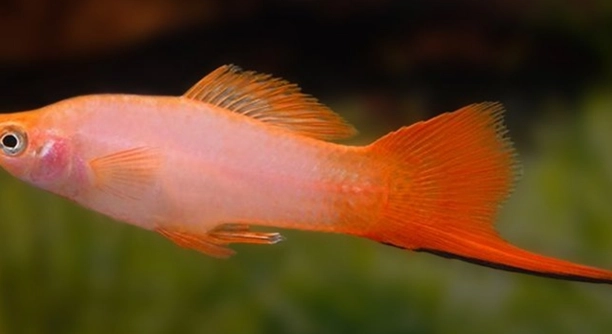
Swordtails are an active and engaging species of fish, often showing curiosity about their surroundings. Many fish owners wonder whether these creatures can learn specific behaviors, especially when it comes to feeding cues.
Swordtails can indeed learn to follow feeding cues, though their ability to associate them with food varies. By consistent repetition of feeding signals, swordtails can recognize patterns and respond accordingly. This behavior is rooted in their natural learning capacity.
This behavior can make feeding time easier, as they will anticipate food at the right moments. Understanding how to use cues effectively can help improve your fish care routine.
How Swordtails React to Consistent Feeding Cues
Swordtails, like many fish, can become accustomed to regular feeding cues. With consistent repetition, they start associating specific actions or sounds with feeding time. For instance, the sound of a tank lid opening or the sight of the owner’s hand approaching can trigger their anticipation. This is known as conditioned behavior. Over time, they may even begin to swim towards the surface at the same time every day when they expect food. Swordtails are intelligent enough to recognize patterns, and their response to cues is one way they show their adaptability.
Once swordtails have learned these cues, feeding time becomes easier. The fish will respond quickly to the established signals, making it possible to feed them at a specific time each day. This helps maintain a regular schedule, which is beneficial for both the fish and their caretakers.
Consistency is key. Repeating the same cues at the same times will solidify the behavior. This ensures that the swordtails can recognize the signals and react in a predictable manner, ultimately improving their care routine.
Benefits of Training Swordtails with Feeding Cues
Training swordtails to follow feeding cues benefits both the fish and the caretaker. This reduces stress and creates a more enjoyable feeding experience.
With training, swordtails become more confident, and their response to cues is much quicker. This helps prevent overfeeding or underfeeding since they are fed according to their natural schedule. It also reduces the chances of them becoming aggressive during feeding time. By training them, you’re creating a better environment for your fish. This ensures that they are happy, healthy, and well-fed, which contributes to their overall well-being. Additionally, they’ll start associating their caretakers with positive experiences, strengthening the bond between them.
When swordtails learn to respond to feeding cues, the entire process becomes more efficient. You’ll know exactly when to feed them, making it easier to track their dietary needs. Plus, these learned behaviors can help manage tank maintenance. If swordtails respond to cues reliably, it makes it simpler to monitor their health and habits.
Why Consistency Matters in Training Swordtails
Swordtails rely on consistency to learn and remember feeding cues. By repeating the same actions or sounds at each feeding time, they begin to expect food at certain moments. This reliable pattern helps them learn faster and react more efficiently.
Without consistency, swordtails may struggle to connect the cue to feeding time. If the signals change or aren’t repeated regularly, they may not learn as quickly, or they may stop responding altogether. It’s important to keep cues consistent to ensure the fish can develop a reliable feeding routine. This approach simplifies feeding and makes the process smoother for both the fish and the caretaker.
When swordtails are trained with regular cues, it’s easier to ensure they are fed at the right time. They will begin to recognize the signs, whether it’s the sound of the tank lid or a specific motion. This reduces unnecessary stress, making feeding time more predictable.
Observing Swordtail Behavior During Feeding Time
At feeding time, swordtails often exhibit visible signs of excitement. They may start swimming near the surface or follow movements around the tank, anticipating the food. This behavior can be encouraged by consistently using the same feeding cues.
Over time, the fish will associate these actions with feeding, making them more responsive. Swordtails are quick learners, and once they recognize a cue, they may even start showing their excitement earlier. For example, they may swim to the surface just before you even reach the tank. This behavior shows how effectively they have learned to associate the cues with food.
This response benefits both the fish and their caretaker. You won’t have to spend as much time coaxing them to eat, and they’ll be more likely to be calm during feeding. By maintaining a routine, the swordtails become less anxious and more predictable. This makes the overall experience smoother.
Common Challenges in Training Swordtails
Training swordtails to follow feeding cues can take time. Some fish may be more hesitant to respond, especially if they are new to the tank or the environment. Patience is key when introducing these cues.
Additionally, swordtails can sometimes ignore the cue if they are distracted by other stimuli in the tank, such as the presence of other fish or environmental changes. This is common, especially if they are still adjusting to their surroundings. Maintaining a consistent environment helps reduce these distractions.
How to Improve Feeding Time Cues
Repetition is vital when it comes to feeding time cues. Swordtails need time to connect the action or sound to feeding. It’s important to be patient and not to change the signals abruptly.
To improve their response, you can gradually introduce cues during the same time each day. Consistency in timing will help the swordtails learn to expect food. For instance, if you always feed them after the light cycle starts or when the tank temperature is adjusted, they will begin to recognize these subtle triggers.
By creating a routine, swordtails will become more predictable and easier to feed. When they respond to your cues, feeding time will become less stressful, both for them and for you. The more predictable the routine, the better their behavior will be.
The Role of the Environment in Cue Learning
Swordtails learn faster in a stable environment. A tank free of excessive changes, such as fluctuating water conditions or the presence of unfamiliar objects, makes it easier for the fish to focus on the feeding cues.
Keeping the tank clean and consistent reduces distractions. When swordtails feel comfortable, they are more likely to respond to cues during feeding time.
FAQ
How long does it take for swordtails to learn feeding cues?
The time it takes for swordtails to learn feeding cues varies. Typically, it can take anywhere from a few days to a few weeks. This depends on the consistency of the cues, the fish’s individual temperament, and the environment. Fish that are already familiar with their tank and routine may adapt more quickly, while newer fish or those in stressful environments might take longer. Patience is key, and regular repetition will help speed up the learning process.
What are some effective feeding cues for swordtails?
Effective feeding cues can include visual, auditory, or tactile signals. A common approach is tapping on the tank or using a distinct sound, such as a bell or a specific tone, right before feeding. Alternatively, swordtails can learn to associate the motion of the hand approaching the water’s surface. It’s important to stick with one cue consistently to help them make the connection to feeding time.
Can swordtails learn to recognize their owner for feeding?
Yes, swordtails can learn to recognize their owner, especially if the person consistently provides the feeding cues. They may begin to associate the owner’s movements with food, and over time, will anticipate feeding when they see the person. Some swordtails may even follow their owner around the tank, showing recognition and anticipation.
Why do my swordtails ignore feeding cues sometimes?
There are a few reasons swordtails might ignore feeding cues. Stress, environmental changes, or being overfed are common causes. Swordtails can also be distracted by other fish or new objects in the tank. If they are not hungry or have already eaten, they might not respond. Keep the environment stable and ensure that the feeding routine is consistent to help improve their response.
Do swordtails learn better with rewards?
Yes, rewarding swordtails after they follow the feeding cue can reinforce the behavior. Although swordtails are not likely to perform complex tricks like mammals, they can associate the feeding cue with positive experiences. Providing food consistently after using the cue will strengthen the connection, encouraging them to respond more reliably.
Can feeding cues help with swordtail aggression?
Feeding cues can help reduce aggression by creating a structured feeding routine. When swordtails are trained to respond to specific cues, they are less likely to compete aggressively for food. This makes feeding time more organized and calm. However, if aggression persists, you may need to evaluate the tank size or the number of fish.
Should I use a specific type of food to help train swordtails?
There is no specific food required to train swordtails with feeding cues. However, it’s important to use food that the fish enjoy and is part of their regular diet. Using treats sparingly can help reinforce the connection between the cue and feeding, but regular food will work as well for daily training. Ensure that the food is appropriate for swordtails’ dietary needs.
Can swordtails be trained to follow cues for other behaviors?
While swordtails can learn feeding cues, training them for more complex behaviors like tricks is much harder. Their cognitive abilities are more suited to recognizing feeding patterns and associating those with actions. Basic training, like following cues for feeding time or learning to associate specific objects with food, is within their capacity, but more advanced training is not generally achievable.
What should I do if my swordtails stop responding to cues?
If your swordtails stop responding to cues, check for any changes in their environment or health. Stress factors, such as water quality issues, overcrowding, or other fish behaviors, can disrupt their ability to learn or respond. Also, ensure that feeding times and cues are consistent. If the fish seem uninterested, they may be overfed or simply not hungry at the moment.
How often should I feed my swordtails?
Swordtails should typically be fed once or twice a day, depending on their age and the size of your tank. Overfeeding can lead to health problems and disrupt their natural behavior. Regular, smaller meals at consistent times are best. Using feeding cues can help ensure that you don’t overfeed or underfeed them. Be mindful of their diet, and make sure they get a balanced mix of flakes, pellets, and occasional live food.
Can I use different cues for each swordtail?
It’s possible to use different cues for each swordtail, but this may complicate the feeding routine. It’s generally more effective to use a single, consistent cue for all fish. Swordtails are social fish, and using one cue for all of them helps maintain a simple routine. Multiple cues can lead to confusion and disrupt the learning process.
Are there any risks to training swordtails with feeding cues?
There are few risks associated with training swordtails using feeding cues, as long as it’s done properly. Overfeeding can be a concern if feeding times are not managed well. Additionally, if the cues are inconsistent or unpredictable, it can cause stress and confusion for the fish. It’s essential to create a stable environment and stick with the same routine to minimize any risks.
Can feeding cues help with swordtail breeding?
Feeding cues may indirectly assist with swordtail breeding by creating a calm and structured environment. If the swordtails are well-fed and less stressed, they may be more likely to breed. However, the main factors that affect breeding are water conditions, temperature, and the presence of a suitable mate. Feeding cues alone won’t guarantee successful breeding, but they can contribute to a healthier and more balanced tank environment.
Final Thoughts
Training swordtails to follow feeding cues is a simple yet effective way to improve feeding time and reduce stress for both the fish and the owner. Swordtails are intelligent enough to associate specific cues with food, making them responsive once they recognize the pattern. The process is gradual, requiring patience and consistency. By maintaining a stable environment and using clear, repetitive cues, swordtails will begin to anticipate feeding time and respond more reliably. This behavior makes feeding more efficient, ensuring your fish are well-fed and content.
The key to success lies in repetition and timing. Swordtails learn best when feeding cues are introduced at the same time each day. Whether using visual or auditory cues, it’s important to stay consistent. Repeated signals help swordtails understand when food is about to be provided. However, it’s crucial not to overfeed them in the process. Swordtails, like many fish, can easily become stressed if their feeding routine is disrupted. Ensuring that they receive the appropriate amount of food at regular intervals will contribute to their health and well-being. A clear and predictable routine helps swordtails develop better habits and makes them easier to care for in the long run.
While training swordtails to follow feeding cues may not be an advanced skill, it does contribute to a more manageable tank environment. Swordtails respond well to structure, and using feeding cues can make their care more predictable. With time, swordtails will adapt to the routine, making feeding a smoother process. This method is also a great way to interact with your fish and observe their behavior in a positive context. Creating a reliable and stress-free feeding routine not only benefits the swordtails but also makes tank maintenance more enjoyable for the owner.

Hello,
If you enjoy the content that we create, please consider saying a "Thank You!" by leaving a tip.
Every little bit helps us continue crafting quality advice that supports the health, happiness, and well-being of pets around the world, for pets of all shapes, sizes, and species.
We really appreciate the kindness and support that you show us!