
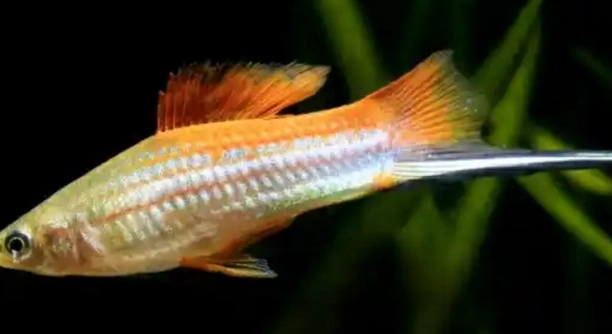
Swords are a popular and beautiful species of fish in many home aquariums. If you’ve noticed your swordtail flicking its fins, you might wonder why it’s happening and what it means for its health.
Swordtail fish flick their fins primarily as a response to stress, water quality issues, or irritation caused by other fish or environmental factors. Flicking fins may also indicate a potential parasite or illness that requires attention and care.
Understanding the causes behind this behavior is essential for ensuring your swordtail stays healthy. Addressing the problem early can help you maintain a balanced and thriving aquarium environment for your fish.
Why Do Swordtails Flick Their Fins?
Flicking fins is a common behavior in swordtails, but understanding why it happens can be tricky. Swordtails are sensitive creatures, and they communicate through their movements. When a swordtail flicks its fins, it could be due to stress, discomfort, or even health problems. Fish, like all animals, react to changes in their environment. This could include water temperature, cleanliness, or even the presence of other fish. In some cases, it might be a simple way for the fish to express irritation, or it could be a sign that something is wrong.
It’s essential to pay attention to any other signs of distress in your swordtail, such as unusual swimming behavior or changes in its appearance. If the flicking continues, it may be time to check the water quality and the health of the tank.
Some common factors that lead to this behavior include poor water conditions, low oxygen levels, or aggressive tank mates. Stress caused by these elements can lead to your swordtail flicking its fins in an attempt to cope.
Stress and Water Quality
Poor water quality is one of the main reasons swordtails flick their fins. If the water isn’t clean enough or the temperature is unstable, your fish may feel uncomfortable. Swordtails, like all fish, need specific conditions to thrive. Regular water changes, monitoring pH levels, and ensuring the water is well-filtered can reduce stress.
When the water quality isn’t right, swordtails may flick their fins or even swim erratically. Monitoring the tank’s conditions closely will help prevent stress. If there are consistent issues, it may be necessary to adjust the water filter or consider adding a water conditioner.
Illness and Parasites
Illnesses and parasites can also cause swordtails to flick their fins. A common issue is external parasites like ich, which can cause irritation to their skin and fins. These parasites can make a swordtail feel itchy or uncomfortable, leading it to flick its fins as a way to soothe the irritation. Identifying signs of illness early can help treat the problem before it becomes more serious.
If your swordtail has pale skin, clamped fins, or rapid breathing, it’s important to consult a veterinarian or aquarium specialist. Treating the fish promptly can prevent the infection from spreading to other fish in the tank. It’s a good idea to quarantine sick fish to avoid contamination. Healthy swordtails should swim smoothly, without flicking their fins unless provoked by environmental changes.
Tank Mates and Aggression
Swordtails may flick their fins if they feel threatened by other fish in the tank. Aggressive tank mates can cause stress, leading to this behavior. If there’s fighting or dominance struggles, swordtails may react by flicking their fins in defense. It’s essential to keep an eye on how your fish interact with each other.
In a peaceful tank, swordtails should swim calmly without flicking their fins. However, if you notice one fish chasing or bullying another, it might cause stress. Aggression can happen when tank mates have conflicting personalities, or if there isn’t enough space. Overcrowding can also lead to aggressive behavior. To prevent this, try separating the aggressor from the rest of the fish or introduce more hiding spots to reduce tension.
If your swordtail continues to flick its fins despite the aggression being addressed, it could be due to lingering stress. It might take some time for them to recover and adjust to the new environment. Adding more plants or decorations may help them feel secure.
Water Temperature and Oxygen Levels
Swordtails are sensitive to changes in water temperature. When the temperature fluctuates or becomes too high or low, it can stress them out. Flicking fins may be a sign they are struggling to adjust. It’s crucial to keep the water temperature stable, ideally between 72°F and 82°F (22°C to 28°C).
If the water temperature is inconsistent, swordtails may also swim near the surface or flick their fins more often. Sudden temperature changes can be harmful to their health. Use a reliable thermometer to monitor the tank’s temperature and a heater if necessary to maintain stability.
Oxygen levels are another important factor to consider. When there is not enough oxygen in the water, swordtails may flick their fins as a sign of distress. Proper filtration and surface agitation can help increase oxygen levels. Adding an air stone or aerator can also improve the oxygen flow in the tank. Keeping the water well-oxygenated will ensure your swordtails stay healthy and comfortable.
Fin Damage or Injury
Swordtails may flick their fins if they have suffered any injury or damage. If a fin is torn or bruised, they might try to relieve the discomfort by flicking or twitching. Injuries can happen from tank decorations, other fish, or accidents.
To prevent injury, check for sharp objects in the tank and ensure that all decorations are smooth. You may also want to monitor the behavior of other fish to see if they are causing harm. If you notice visible damage to the fins, treating the injury with aquarium-safe medication can help prevent infections.
Tank Cleaning and Maintenance
If the tank is not cleaned regularly, it can lead to poor water quality. Swordtails can react to this by flicking their fins. Dirty water, excess waste, and debris can irritate their skin and fins, leading to discomfort.
Keeping the tank clean is essential for preventing this behavior. Perform regular water changes and use a filter to remove waste. Cleaning the substrate and decorations also helps reduce harmful buildup. This ensures a healthier environment for your swordtail, minimizing stress and promoting a more peaceful atmosphere.
Overcrowding in the Tank
When there are too many fish in a tank, swordtails may feel cramped and stressed. Overcrowding can trigger fin flicking as a sign of discomfort. Swordtails need space to swim freely, and when they feel confined, they may exhibit unusual behavior.
To avoid overcrowding, make sure the tank size is appropriate for the number of fish. A good rule of thumb is one inch of fish per gallon of water. Ensuring plenty of space for swimming helps prevent stress and supports the well-being of your swordtail and other fish.
FAQ
Why is my swordtail flicking its fins?
Flicking fins are typically a sign of stress, irritation, or discomfort. Swordtails may flick their fins due to poor water quality, aggressive tank mates, illness, or even environmental changes like temperature fluctuations. It’s important to observe your swordtail’s overall behavior and check the water conditions regularly. A thorough water change, proper filtration, and a stable tank environment can reduce this behavior. Additionally, monitor your fish for any signs of illness or injury that could contribute to the fin flicking.
What should I do if my swordtail is flicking its fins?
First, check the water quality. Ensure the temperature, pH, and oxygen levels are stable. Regular water changes and filtration will help keep the tank environment clean. If you notice other signs of illness like pale skin or clamped fins, consider isolating the fish for treatment. If aggression from other tank mates seems to be the issue, try rearranging decorations or adding more hiding spots to reduce stress. If needed, consult an aquarium expert or veterinarian for further advice.
Can fin flicking be a sign of illness?
Yes, fin flicking can be a sign of illness, especially if accompanied by other symptoms like loss of appetite, discolored or ragged fins, or abnormal swimming. External parasites like ich or gill flukes can cause irritation, prompting the fish to flick its fins. Additionally, bacterial or fungal infections may cause similar discomfort. If you suspect illness, you should separate the affected fish and treat the tank with appropriate medication.
How can I tell if my swordtail has an injury?
Injuries in swordtails often appear as torn fins, visible cuts, or abrasions on the skin. If you notice your fish flicking its fins or swimming in an unusual manner, check closely for any signs of physical damage. The injured area might be swollen or have a different color than the surrounding skin. If you find an injury, isolate the fish and treat the wound with aquarium-safe antiseptics to avoid infection.
Can swordtails flick their fins when they’re happy?
Flicking fins are usually not associated with happiness in swordtails. Instead, they are more of a response to stress or discomfort. However, swordtails do engage in other behaviors that may indicate contentment, like swimming smoothly, interacting with tank mates peacefully, or exploring the environment. If your swordtail is flicking its fins without showing any other signs of stress, keep monitoring it to ensure its health and well-being.
What are common causes of fin flicking in swordtails?
The most common causes of fin flicking in swordtails include poor water conditions, aggressive tank mates, illness or parasites, injuries, and overcrowding. Flicking can also result from environmental factors like temperature swings or insufficient oxygen levels. To prevent this behavior, maintain a clean tank, provide enough space for your swordtail to swim, and ensure stable water conditions. Identifying the root cause is key to resolving the issue effectively.
How often should I clean the tank to prevent fin flicking?
You should clean your tank regularly to maintain optimal water quality and prevent stress-related behaviors like fin flicking. Perform a partial water change (about 20-30%) every one to two weeks, depending on the size of the tank and the number of fish. Additionally, clean the filter monthly and check for any debris or buildup on the substrate. Keeping the tank clean helps reduce harmful substances that could irritate your swordtail.
Can fin flicking be caused by overcrowding in the tank?
Yes, overcrowding is a common cause of fin flicking in swordtails. When there are too many fish in a tank, swordtails may feel stressed and confined, leading to abnormal behaviors like flicking fins. Overcrowding also increases the likelihood of aggression among tank mates, which can further contribute to stress. To prevent overcrowding, ensure your tank is large enough to accommodate your fish. As a general rule, provide one inch of fish per gallon of water.
Is fin flicking dangerous for my swordtail?
While occasional fin flicking is usually not a serious issue, persistent flicking can lead to long-term stress, which may weaken your swordtail’s immune system and make it more susceptible to illness. It can also result in physical damage, especially if the flicking is caused by parasites or injury. Addressing the underlying cause, such as improving water quality or removing aggressive tank mates, is essential for preventing further harm.
How can I help a swordtail recover from fin flicking due to stress?
If stress is the cause of your swordtail’s fin flicking, the best course of action is to improve the tank environment. This includes maintaining clean water, providing adequate space, and avoiding any drastic changes in temperature or water chemistry. Adding plants, decorations, and hiding spots can give your swordtail more comfort and reduce stress. In cases of aggression, consider removing the aggressive fish or rearranging the tank to minimize conflict.
Can fin flicking in swordtails be caused by sudden temperature changes?
Yes, sudden temperature changes can cause swordtails to flick their fins. Fish are sensitive to temperature fluctuations, and even small changes in water temperature can cause stress. Swordtails thrive in water that stays between 72°F and 82°F (22°C to 28°C). If the temperature drops too low or rises too high, swordtails may respond by flicking their fins or exhibiting other signs of discomfort. Use a reliable thermometer and heater to keep the water temperature stable.
Is fin flicking in swordtails a sign of aggression towards other fish?
While fin flicking is generally a sign of stress, it can be linked to aggression in certain situations. If your swordtail is feeling threatened by another fish, it may flick its fins in response. This behavior can be an attempt to assert dominance or show irritation. In a tank with aggressive or territorial fish, flicking fins can be a sign of conflict. Consider rearranging the tank, adding more hiding spots, or separating aggressive fish to reduce this behavior.
How can I improve oxygen levels in my tank to reduce fin flicking?
Oxygen levels can significantly impact your swordtail’s behavior. If there isn’t enough oxygen in the tank, your swordtail may flick its fins as it struggles to breathe. To increase oxygen levels, use a good filtration system that promotes water movement, or add an air stone or bubbler to the tank. Ensuring adequate water surface agitation also helps oxygenate the water. Keep an eye on your swordtail’s swimming pattern, as it may become more active when oxygen levels improve.
Final Thoughts
Swordtails are vibrant and beautiful fish that can make a lovely addition to any aquarium. However, when they start flicking their fins, it can be concerning. While fin flicking is often a sign of stress, discomfort, or irritation, it is important to remember that this behavior can stem from a variety of factors. These include water quality issues, injuries, illness, aggression from other fish, or even environmental stressors such as temperature fluctuations. Understanding the cause behind the fin flicking is key to helping your swordtail recover and thrive in its environment.
The first step in addressing fin flicking is to carefully monitor your tank’s water conditions. Swordtails, like all fish, require clean water with stable temperature and pH levels. Regular water changes and the use of proper filtration can help maintain a healthy environment for your fish. Keeping the tank free of debris and monitoring oxygen levels will also reduce stress. If you notice any issues with water quality, fixing them promptly can prevent further discomfort for your swordtail. Ensuring the tank is properly cleaned and maintained is one of the most effective ways to keep your fish comfortable and healthy.
If your swordtail’s fin flicking is related to aggression or injury, consider checking for signs of bullying from other fish or any damage to your fish’s fins. Rearranging the tank layout or separating aggressive fish can help reduce stress and provide a more peaceful environment. In cases where illness or parasites are suspected, isolating the affected fish and providing appropriate treatment is essential. When treated properly, swordtails can recover from the behavior and live out their full lifespan in your aquarium. Regularly observing your fish and making adjustments as needed will help ensure that they remain healthy, happy, and free from stress.

Hello,
If you enjoy the content that we create, please consider saying a "Thank You!" by leaving a tip.
Every little bit helps us continue crafting quality advice that supports the health, happiness, and well-being of pets around the world, for pets of all shapes, sizes, and species.
We really appreciate the kindness and support that you show us!