
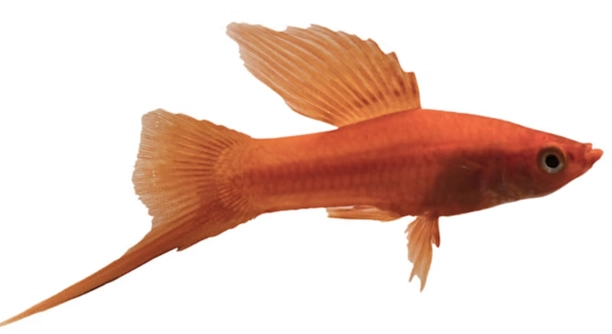
Swordtail fish are a popular choice among aquarium owners due to their vibrant colors and friendly nature. However, new owners often fall victim to common myths about these fascinating creatures. It’s important to separate fact from fiction to keep them healthy and happy.
Many new swordtail owners believe that these fish are low-maintenance and can thrive in any tank setup. In reality, they require proper care, specific water conditions, and attention to their diet to live a long, healthy life.
Understanding the truth behind these myths will help you provide a better environment for your swordtails. By knowing what they really need, you can avoid common mistakes and ensure their well-being.
Swordtails Are Hardy and Can Live in Any Tank
Many new swordtail owners think that these fish are incredibly hardy and can survive in just about any tank. While swordtails are indeed resilient, they still need specific conditions to thrive. If your tank isn’t set up correctly, you might notice issues with their health and behavior, such as stress, poor coloration, or even diseases. It’s important to create a proper environment for them to feel comfortable. They need the right water temperature, proper filtration, and enough space to swim freely. Overcrowding the tank or neglecting water quality can lead to unwanted complications.
Swordtails require stable water conditions to stay healthy. Providing them with appropriate filtration, regular water changes, and a tank that mimics their natural environment will greatly benefit their well-being.
The idea that swordtails can live in any tank setup often leads to frustration for new owners. When their health begins to decline, it’s a clear sign that the initial setup was not ideal. Avoid this mistake by doing thorough research on their needs, including water temperature and pH balance. By maintaining optimal conditions, you can help them thrive in your tank for years.
Swordtails Don’t Need a Varied Diet
A common myth among new swordtail owners is that these fish can survive on a single type of food. While swordtails are not particularly picky eaters, they still benefit from a varied diet. Feeding them only one type of food, such as flakes or pellets, can lead to nutritional imbalances. To keep them healthy and vibrant, you should include different types of food in their diet. This includes high-quality flakes, pellets, frozen foods, and occasional live food like brine shrimp or daphnia.
Offering a variety of foods ensures that swordtails get all the nutrients they need to stay healthy and active.
Swordtails are omnivores, and providing a balanced diet will help their growth, coloration, and overall health. When you vary their meals, you’re helping to prevent deficiencies that could lead to weakened immune systems and poor coloration. A proper diet is crucial for their well-being. Don’t fall for the myth that one type of food is enough; keep your swordtails well-fed with a range of nutritious options.
Swordtails Only Need to Be Kept with Other Swordtails
It’s easy to assume that swordtails should only be kept with other swordtails, but this is not the case. They can coexist peacefully with various other species, especially if they’re not overly aggressive. Pairing them with similar-sized peaceful fish can create a harmonious tank environment.
Swordtails are generally non-aggressive and will get along with a variety of tank mates, such as guppies, mollies, and tetras. It’s important to avoid pairing them with overly aggressive or fin-nipping species. Also, be mindful of tank size to prevent overcrowding. A well-balanced community tank ensures everyone stays healthy and happy.
While it may be tempting to keep only swordtails in the tank, mixing them with compatible species can make the environment more dynamic and exciting. Ensuring the proper balance of different species will also help reduce aggression and stress. Swordtails are social fish and can thrive in a community setup if the right companions are chosen. Take the time to research compatible fish to create a peaceful, thriving tank.
Swordtails Don’t Need Regular Water Changes
Some owners believe that swordtails do not require frequent water changes, thinking that they are low-maintenance. However, this is far from the truth. Swordtails, like all fish, need clean water to stay healthy. Neglecting regular water changes can lead to the buildup of harmful toxins and waste in the tank.
Water changes are essential for maintaining proper water quality. For swordtails, it’s recommended to change 10-20% of the water every week. This helps to dilute any toxins that may have built up and replenishes essential minerals. Regular changes also keep your tank’s environment stable, which is crucial for your fish’s overall health.
Failure to perform regular water changes can lead to poor water conditions, which in turn may cause stress, disease, or even death. By keeping the water clean and balanced, you’ll ensure your swordtails stay vibrant and healthy. Don’t skip water changes, even if the tank looks clean. A little maintenance goes a long way in keeping your swordtails happy.
Swordtails Can Survive in Any Water Temperature
Many new owners believe that swordtails are adaptable to any water temperature, but they thrive best within a specific range. Swordtails prefer temperatures between 72°F and 78°F. Water that is too cold or too hot can stress them out, leading to health problems.
If the water temperature fluctuates too much, swordtails may become weak, less active, and more prone to diseases. Maintaining a steady temperature within their preferred range is crucial for their health. A reliable aquarium heater can help ensure the water stays consistent, preventing sudden temperature shifts that can harm your fish.
Keeping swordtails in water outside their ideal temperature range can lead to poor health and stunted growth. Maintaining a stable environment allows swordtails to thrive, reproduce, and stay active. It’s important to monitor water temperature regularly, using a thermometer to ensure the conditions stay within the proper range for their well-being.
Male Swordtails Are the Only Ones with the Sword Tail
A common myth is that only male swordtails have the signature sword-like tail. In fact, this is not entirely true. Female swordtails may also develop a slight sword on their tails, but it’s usually less noticeable than that of the males.
While males are known for their long, dramatic tails, females can sometimes show subtle sword-like features. These differences in tail length and shape are primarily due to the natural sexual dimorphism in swordtail species. The male’s sword serves to attract mates, and it’s a characteristic commonly associated with them.
Swordtails Are Easy to Breed
Breeding swordtails may seem simple, but it requires careful attention. Swordtails are livebearers, meaning they give birth to live young rather than laying eggs. If conditions are right, they can breed easily, but you need to provide adequate space and avoid overcrowding.
To breed swordtails successfully, ensure that the water conditions are stable and that there are plenty of hiding spots for the fry. Overcrowding can cause stress and may result in the fry being eaten by the adult fish. Proper care and space are needed to successfully raise the young.
FAQ
How often should I feed my swordtails?
Swordtails should be fed 2-3 times per day, offering only what they can consume in a few minutes. It’s important to avoid overfeeding, as leftover food can pollute the tank and cause water quality issues. Offer a variety of food, including high-quality flakes, pellets, and occasional frozen or live foods. A varied diet will help maintain their health and vibrant colors. You can adjust feeding frequency if you notice excess food left behind, but typically feeding once or twice a day is enough for adult swordtails.
Can swordtails live with other types of fish?
Yes, swordtails can live with many other peaceful species. They get along well with fish of similar size and temperament, such as guppies, mollies, and tetras. It’s best to avoid keeping them with aggressive or fin-nipping species, which can cause stress or injury. Swordtails are social fish and enjoy the company of others, so having multiple species in the tank can make it more dynamic and interesting. Just ensure the tank is large enough to provide enough space for everyone.
Why are my swordtails losing their color?
Swordtails can lose their color for several reasons, including stress, poor water quality, or an improper diet. If the water parameters are out of balance (pH, temperature, ammonia, nitrites, or nitrates), this can lead to faded colors. Additionally, if they’re not getting a varied diet or are overfed, they may also lose their vibrancy. It’s important to monitor the tank conditions regularly and maintain clean, balanced water. Providing a mix of nutritious foods, including vegetable-based options, can help keep your swordtails’ colors bright.
Do swordtails need a lot of space?
Swordtails need a tank with plenty of swimming space. While they don’t require a giant tank, they should have at least 20 gallons for a small group. If you have multiple swordtails or additional species in the tank, you’ll need a larger space. Overcrowding can lead to stress, poor water quality, and unhealthy fish. Make sure your tank has ample room for your swordtails to swim freely, as they are active and enjoy exploring their environment. A larger tank also helps maintain stable water conditions, making it easier to manage.
Are swordtails easy to care for?
Swordtails are relatively easy to care for, but they do require attention to water quality and diet. They are hardy fish, but they still need proper care to stay healthy. Providing the right water temperature, regular water changes, and a balanced diet is crucial. Swordtails can handle minor fluctuations in water parameters, but extreme changes can cause stress and health problems. With proper maintenance, they make great additions to community tanks and are beginner-friendly fish.
What is the ideal water temperature for swordtails?
Swordtails thrive in water temperatures between 72°F and 78°F. Water that is too cold or too hot can lead to stress and health issues. A consistent temperature is crucial for their well-being, and sudden changes should be avoided. You can use an aquarium heater and thermometer to maintain a stable environment. Keeping the water within this range promotes active behavior, proper digestion, and healthy reproduction.
Do swordtails need a filter?
Yes, swordtails do need a filter to maintain clean and healthy water. A filter helps remove waste, excess food, and toxins that can build up in the tank. Swordtails are relatively hardy, but they are still sensitive to poor water quality. A filter will help keep the water oxygenated and prevent harmful ammonia, nitrite, and nitrate spikes. Be sure to choose a filter that is appropriately sized for your tank and clean it regularly to ensure it’s working efficiently.
How can I tell if my swordtail is male or female?
Male swordtails are typically smaller and more colorful than females. They also have a long, pointed tail fin, which gives them their “sword” appearance. Female swordtails are larger, rounder, and have a more rounded tail fin. The difference is most noticeable when both sexes are kept in the same tank. Females also tend to be more robust and less brightly colored than males. If you’re uncertain, checking for the swordtail on the male is the easiest way to tell.
Can swordtails be bred in a home aquarium?
Yes, swordtails can be easily bred in a home aquarium. They are livebearers, meaning they give birth to live young rather than laying eggs. To breed them, ensure your tank is well-maintained, with stable water parameters and plenty of hiding spots for the fry. Once pregnant, females will give birth to 20-50 fry at a time. The fry are small but fully formed, and they can swim immediately after birth. Be sure to separate the fry from adult fish to prevent them from being eaten.
Do swordtails require specific water pH levels?
Swordtails prefer slightly alkaline water, with a pH range of 7.0 to 8.0. They can tolerate a bit of variation, but drastic changes in pH can stress them out. Regular water testing is essential to ensure the pH remains within this range. You can use pH buffers if needed to adjust the levels. Maintaining the proper pH helps swordtails remain active, healthy, and vibrant in color. If the pH falls outside the ideal range for too long, your swordtails may become more susceptible to diseases and stress.
Final Thoughts
Swordtails are popular and hardy fish that make great additions to many aquariums. They are easy to care for, especially when you understand their basic needs. Providing a clean environment, stable water conditions, and a balanced diet will help them thrive. They can coexist peacefully with many other species, making them ideal for community tanks. However, like all fish, swordtails do need some attention to detail to stay healthy. Their needs aren’t complicated, but neglecting basic care can lead to problems. Regular water changes, feeding the right foods, and keeping their environment stable are key to ensuring they stay vibrant and active.
One of the most important things to keep in mind is their social nature. Swordtails are active and enjoy the company of other fish. They do best in groups, with at least a few tank mates. This helps reduce stress and promotes natural behaviors. You can mix them with other peaceful fish like guppies or mollies, but it’s essential to avoid overly aggressive species. Overcrowding should also be avoided, as it can cause stress and lead to poor water quality. By choosing the right tank mates and providing adequate space, you can create a balanced, harmonious environment for your swordtails.
Finally, while swordtails may seem low-maintenance, they still require proper care and attention. Ensuring their tank has the right temperature, pH, and filtration will go a long way in preventing health problems. A varied diet will keep them strong and colorful. And while breeding swordtails can be a fun experience, it’s important to be prepared for the responsibility that comes with raising the fry. With these basic guidelines, swordtails can be a rewarding and enjoyable fish to care for in any aquarium.

Hello,
If you enjoy the content that we create, please consider saying a "Thank You!" by leaving a tip.
Every little bit helps us continue crafting quality advice that supports the health, happiness, and well-being of pets around the world, for pets of all shapes, sizes, and species.
We really appreciate the kindness and support that you show us!