
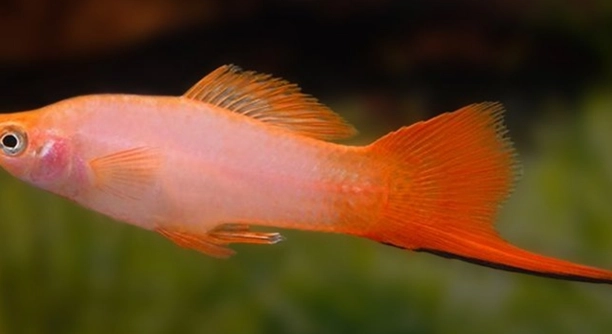
Do you ever find yourself watching your swordtail fish dart around, noticing their quick, shaky movements that seem a little unusual?
Swordtails often swim with a shivering motion due to their natural body mechanics and fin structure. This movement helps them stay agile in the water and can also be influenced by environmental stress or water conditions.
Learning about their behavior and the reasons behind it can help you create a safer, more comfortable home for your swordtail fish.
What Causes the Shivering Motion in Swordtails
Swordtails have a natural way of moving that often looks like a shiver. This isn’t something to worry about most of the time. Their slender bodies and long tails are built for quick, sudden motions. These fish come from fast-flowing streams in the wild, so their swimming style helps them stay balanced and alert. The “shivering” can also be their way of reacting to small shifts in the water, like temperature or flow. If your swordtail looks active, eats normally, and shows no signs of illness, this movement is likely just part of their normal behavior. They tend to dart and flick quickly when exploring or interacting with other fish. It’s also common during mating, as males try to get a female’s attention. In a calm tank with stable conditions, a little shake here and there usually means they’re just being themselves, not that anything is wrong.
This movement can also increase when they’re excited or curious about something in their environment.
If the shivering becomes constant, though, it could be a response to stress. Poor water quality, a sudden temperature drop, or bullying from other fish can all make a swordtail feel uncomfortable. They may use quick movements as a reaction to these stressors. It’s important to regularly check your tank’s conditions—test the water for ammonia, nitrite, and nitrate levels. Make sure the heater is working properly and that the temperature remains steady. Also, observe how other fish behave. Aggressive tank mates can stress out swordtails, making them swim differently. If your swordtail is hiding more, not eating, or looks dull in color, the shaking might signal something deeper. You can try to make small changes like adjusting the water flow or adding more plants for hiding. Watching your fish closely will help you tell the difference between normal motion and a sign of discomfort.
When You Should Be Concerned
If your swordtail is shivering constantly, not eating, or swimming awkwardly, it may be reacting to something harmful in its environment.
In more serious cases, shivering might be linked to illness. Parasites, such as ich or flukes, can irritate the skin and gills, causing the fish to shake or twitch. Bacterial infections can also change how a fish moves. If you notice white spots, torn fins, cloudy eyes, or signs of breathing problems, it’s a good idea to separate the fish and treat it quickly. Many medications for common fish illnesses are available at pet stores and are easy to use if you catch the problem early. Try not to panic—early action can help your fish recover well. Also, try to reduce stress by keeping the lights dim, avoiding sudden tank changes, and giving them a quiet space. A clean, calm tank makes it easier for your fish to heal and return to normal swimming patterns.
How Tank Conditions Affect Swordtail Behavior
Poor tank conditions can cause swordtails to swim in strange ways. Dirty water, overcrowding, and unstable temperatures are common reasons for stress-related movements like shivering. Even strong filters can create too much flow, making it hard for them to swim normally.
Swordtails prefer a calm, stable environment with clean water and plenty of swimming space. If the tank is too small or has sharp shifts in temperature or pH, their movements may change noticeably. Shivering can increase when oxygen levels drop, especially if the water is too warm or the tank is overcrowded. Regular cleaning, consistent temperature, and proper filtration help reduce stress. Swordtails also need places to hide, like live plants or decorations, to feel secure. When these needs aren’t met, their behavior may become more frantic or jittery. Watch for subtle changes to catch problems early and adjust the setup if needed.
Even small shifts in water quality can have a big impact. Testing the water weekly is a simple habit that helps you catch ammonia or nitrate spikes before they hurt your fish. If you notice more shaking, first check the water parameters. Sudden changes in lighting or loud noises near the tank can also affect how they move. They respond to their surroundings quickly, so keeping things quiet and predictable is helpful. Try to avoid sudden water changes or adding too many new fish at once. Balance is key to helping them stay relaxed and healthy in their space.
Behavior Differences Between Males and Females
Male swordtails tend to swim in a more active, twitchy way, especially when trying to impress females or compete with other males. Females are usually calmer and move more smoothly unless stressed.
During mating, males often shake or vibrate their bodies in short bursts. This is normal and part of their behavior to get a female’s attention. You might notice them doing this while circling the female or swimming quickly around her. It looks a lot like shivering, but in this case, it’s intentional. However, if there are too many males in one tank, they may constantly chase females and each other, which can lead to stress. In that case, it helps to have more females than males, giving everyone a break. Adding plants or hiding spaces lets fish rest and avoid too much attention. Keeping the male-to-female ratio balanced really makes a difference in how calm the tank feels.
How Diet and Feeding Habits Can Play a Role
If swordtails don’t get the right nutrients, they may become weak or stressed, which affects how they swim. A poor diet can lead to twitchy, shaky movements as their bodies struggle to stay balanced and strong.
Overfeeding can also cause problems. Leftover food lowers water quality, which affects their behavior.
What to Watch for When Things Seem Off
If your swordtail is shaking more than usual, not eating, or staying near the bottom, something could be wrong. Look for clamped fins, faded color, or rapid gill movement. These signs often point to stress or illness. Check water quality, watch for bullying, and review their diet. Small changes matter.
Why Observing Daily Behavior Matters
Spending just a few minutes each day watching your fish helps you notice when something changes. Catching a problem early can prevent bigger issues later.
FAQ
Why does my swordtail fish shake only when other fish are around?
This usually happens when your swordtail feels nervous or threatened. Some fish can be territorial or aggressive, which stresses out swordtails and causes them to swim in quick, shaky patterns. They might be trying to avoid conflict or show submission. Shivering in this case is a response to social pressure in the tank. Make sure tank mates are peaceful and the environment allows each fish to have space. Adding hiding spots, like plants or caves, gives swordtails a break from unwanted attention. If the shaking stops when they’re alone, it’s likely a social issue.
Is shivering in swordtails ever normal?
Yes, in many cases, it’s completely normal. Swordtails have a fast, flicking swimming style that sometimes looks like they’re shaking. Males especially show this behavior during mating or when competing for attention. If your fish is eating well, swimming actively, and looks healthy, some light shivering is nothing to worry about. It’s part of their natural behavior, especially in new or stimulating environments. You only need to worry if the movement becomes constant, intense, or is paired with other signs of distress. Watching how often and in what situations it happens can help you tell the difference.
Can water flow from a filter cause swordtails to shake?
Yes, it can. Some filters create strong currents that are too much for smaller fish to handle comfortably. Swordtails prefer steady but gentle water flow. If the current is too strong, they’ll struggle to swim and may look like they’re shaking as they try to hold their position. You can adjust the filter flow or add decorations to break up the current. Even simple changes like moving the filter output to face a wall or plant can make a big difference. A calm swimming area helps reduce stress and keeps their movements more natural and relaxed.
How can I tell if my swordtail is sick or just stressed?
Sick fish usually show more than just shivering. Look for signs like white spots, frayed fins, dull color, or unusual breathing. Sick swordtails might also isolate themselves or stop eating. Stressed fish may still eat and move around but seem jittery or restless. Check water conditions first—bad water is one of the biggest causes of both stress and illness. If everything in the tank checks out but your fish still acts off, watch for patterns. Sudden behavior changes are often a red flag. If in doubt, you can isolate the fish to observe it more closely.
Do young swordtails shake more than adults?
Yes, younger swordtails are more active and may look shakier simply because they’re still developing. They’re quicker, more reactive, and sometimes clumsier as they learn to navigate their environment. This doesn’t always mean something is wrong. As long as they’re growing well, eating, and showing no other signs of distress, this extra movement is usually just part of being young and energetic. Still, keep an eye on them—because they’re smaller, young fish can be more sensitive to changes in water or diet. Consistent care will help them grow into calmer, more stable swimmers.
Can lighting affect how swordtails behave?
It can. Swordtails are sensitive to sudden lighting changes. Bright lights that come on quickly can startle them, causing quick, shivering movements. A calmer lighting setup—such as a dimmer switch or gradual timers—can make them feel more secure. Also, too much light without breaks can increase stress. It’s a good idea to follow a regular light cycle, such as 10–12 hours of light per day followed by darkness. This helps them settle into a routine. Providing shaded areas with plants also gives your fish a chance to rest and feel safe during the day.
Should I be worried if only one swordtail is shaking?
It depends. If just one swordtail is shaking while the others seem fine, it could be a personal stressor like being bullied, injured, or sick. Watch how the other fish treat it. If the fish hides often, won’t eat, or avoids others, you may need to separate it. Use a quarantine tank if needed. On the other hand, if the shaking is light and the fish looks healthy, it might just be more sensitive or naturally more active than the rest. Monitor the behavior for a few days to see if it changes or spreads to others.
Final Thoughts
Swordtails are active and lively fish, and sometimes their swimming patterns can seem unusual at first. What looks like shivering is often just their normal way of moving, especially in busy or new environments. Their slim bodies and long fins are built for quick, darting motions that help them stay alert. This movement is also common during mating, as males try to get the attention of females. In a clean, stable tank, these little shakes are usually not a sign of anything harmful. Many fish owners notice this kind of behavior in healthy swordtails, especially when they’re excited, curious, or interacting with other fish.
However, it’s still important to stay observant. If the shivering becomes more frequent, constant, or is paired with other changes—like hiding, loss of appetite, or dull colors—it could mean your fish is stressed or unwell. Problems like poor water quality, strong currents, overcrowding, or illness can affect how a swordtail swims. Watching your fish each day makes it easier to notice when something changes. A sudden shift in behavior is often the first sign that something might be off. Simple steps like checking the water, watching for aggressive fish, and offering a balanced diet can help keep things running smoothly.
Keeping swordtails happy is all about balance. They need space, clean water, good food, and a calm environment. Decorations and plants give them places to rest, while a gentle water flow lets them swim without effort. Even things like light levels or tank mates can affect their mood and behavior. By giving them what they need and paying attention to the way they act, you’ll be able to spot problems early and make your tank a better place for them. Most of the time, a little shaking is no reason to worry. But when something seems different, trust your instincts and check in on their setup. A calm, steady routine often leads to healthier, more relaxed fish.

Hello,
If you enjoy the content that we create, please consider saying a "Thank You!" by leaving a tip.
Every little bit helps us continue crafting quality advice that supports the health, happiness, and well-being of pets around the world, for pets of all shapes, sizes, and species.
We really appreciate the kindness and support that you show us!