
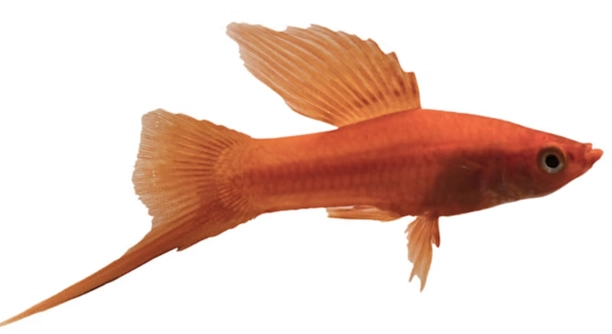
Swordtails are popular aquarium fish known for their striking appearance and active nature. People often wonder about their ability to learn from repetition and how they respond to certain stimuli in their environment.
Research indicates that swordtails, like many fish species, can learn from repetition. Repeated exposure to certain actions or stimuli can lead to learned behaviors, such as associating food with specific actions, enhancing their ability to adapt to their environment.
Understanding how swordtails learn from repetition can help improve their care and training. This knowledge also sheds light on how they interact with their surroundings and how their memory shapes their behavior.
How Swordtails Process Repeated Stimuli
Swordtails are creatures that thrive on routine. They often show a natural tendency to respond to patterns, especially when certain stimuli appear regularly. For instance, many fish are known to associate food with specific actions, like a sound or a movement. Swordtails are no exception. Through repeated exposure, these fish can learn to anticipate food or respond to changes in their environment. Such behavior is a result of conditioning, where repetition gradually helps swordtails make connections between certain stimuli and outcomes. This ability to adapt helps them in the wild, but it also plays a role in their care in an aquarium setting.
While swordtails are not the most complex learners, they can recognize and respond to repeated events. They can even learn to associate specific times of day with feeding. Repetition makes them familiar with their surroundings and daily routines, which enhances their ability to thrive in both their natural and artificial habitats.
Over time, swordtails’ response to repetition strengthens, and they become more predictable. This means that their behavior can often be shaped by how their owners structure their environment. For example, regular feeding times might lead swordtails to come to the surface when they sense it’s mealtime. Similarly, they may get used to the sound of a filter or the movement of a net, which can make interactions with them easier. By understanding their ability to learn from repetition, owners can improve the care and management of their swordtail fish.
Repetition in Swordtail Training
Repetition plays a crucial role in training swordtails. The more a fish is exposed to certain actions, the better it becomes at anticipating outcomes.
Swordtails can learn simple tasks through repetition, like swimming through hoops or following specific paths. This skill isn’t just for entertainment; it helps them adapt to their environment. A swordtail that learns to associate certain actions with positive rewards is more likely to repeat those behaviors. This learning process can be reinforced through consistent practice, where the fish experiences the same actions in a predictable pattern. By maintaining this routine, you can help swordtails adjust to different aspects of aquarium life.
How Repetition Enhances Swordtail Behavior
Swordtails show a clear preference for predictable patterns in their environment. When exposed to the same situation repeatedly, they often become more confident in their actions. For example, they might learn the location of food or recognize their owner’s movements. This behavior allows them to adapt more quickly to their surroundings.
Swordtails are especially good at linking repeated events to specific outcomes. If they experience the same sound before feeding time, they might start swimming toward the surface as soon as they hear it. Repetition can make them feel more comfortable in their aquarium and can help ease any anxiety they might have. Their ability to predict what will happen next is crucial in creating a stable environment for them. Knowing what to expect leads to healthier, less stressed fish.
Over time, swordtails can adapt their behavior, recognizing patterns that benefit them. By incorporating repetition into their care routine, you’re not just creating a more predictable environment for them; you’re also strengthening their learning capacity. When they understand what’s coming next, they can feel more secure and act with more confidence.
The Role of Environment in Learning
The environment plays a key role in how swordtails respond to repetition. A stable aquarium setup with consistent lighting, water quality, and feeding routines helps reinforce their learned behaviors.
If the environment is constantly changing, swordtails may struggle to associate events with specific outcomes. Stability is important for their learning process. For example, changing feeding times or switching tanks frequently can confuse swordtails, preventing them from establishing patterns. Consistency in their habitat allows them to adapt better and form stronger associations between their actions and outcomes. The more predictable the environment, the easier it is for them to learn.
By maintaining a steady environment, owners can foster a sense of safety and help swordtails build positive associations. Stable conditions also encourage swordtails to engage more actively with their surroundings, making them more responsive to repetition. This creates a cycle where the fish learn faster, become more comfortable, and ultimately show better behavior.
Repetition and Social Interactions
Swordtails also learn through social interactions with other fish. Repeated exposure to other fish in their tank can help them understand where they fit within the group dynamics.
Swordtails may learn how to behave based on the actions of tank mates. If they witness another fish swimming in a certain pattern or reacting to food, they may start mimicking those behaviors. This social learning helps swordtails feel more secure in their environment. Repetition allows them to adjust their behavior to maintain harmony within the group.
The Impact of Repetition on Feeding Habits
Swordtails can form strong associations with their feeding routine. Repeated feeding at the same time or after certain cues helps them adjust their habits and anticipate food.
Once they learn the cues for feeding, swordtails often become more eager at those moments. The more often this pattern is repeated, the stronger their association with food becomes. Over time, they may swim to the surface as soon as they sense it’s time to eat, even before food is visible. This learned behavior can make feeding times smoother and less stressful.
FAQ
Can swordtails learn from repetition like other animals?
Yes, swordtails can learn from repetition. While their learning process is not as complex as that of mammals or birds, they can still recognize patterns and adapt their behavior accordingly. For example, swordtails can learn to associate specific actions, like a sound or movement, with a reward, such as food. Repeating these actions consistently can help swordtails predict certain outcomes, making them feel more comfortable in their environment.
How does repetition affect swordtail behavior?
Repetition helps swordtails adapt to their environment by making certain actions or stimuli more predictable. Over time, they become more familiar with their surroundings and can anticipate events like feeding times or changes in their tank. This predictability reduces stress and encourages healthier, more active behavior. For example, if a swordtail repeatedly sees food when a specific sound occurs, it will soon learn to swim to the surface when it hears that sound, associating it with a meal. Repetition leads to more confident and relaxed swordtails.
Can swordtails recognize their owner through repetition?
Yes, swordtails can recognize their owner over time, especially if they associate the owner’s actions with specific outcomes. For instance, if an owner feeds them at a certain time every day or performs a regular task in the tank, swordtails will start to recognize these cues. The fish may swim to the surface when they notice the owner approaching, expecting food or other interactions. Their ability to recognize patterns in daily routines helps them build a connection with their environment and its inhabitants.
How can I use repetition to train my swordtails?
To train your swordtails using repetition, it’s best to start with simple tasks that can be linked to a positive outcome, such as feeding or interaction. You can repeat a specific action, like tapping the tank or turning on a light, before feeding them. Swordtails will start associating the action with food, making them more likely to respond in the future. Consistency is key. Repeating the same action at the same time every day helps reinforce the behavior. Be patient, as it may take time for swordtails to learn new behaviors through repetition.
Is it important to have a routine for my swordtail’s care?
Yes, having a routine is beneficial for your swordtail’s overall well-being. Swordtails thrive on predictability, and a regular schedule helps them feel secure in their environment. Repetition of feeding times, tank cleaning, and light cycles helps swordtails form associations with these events, making them more comfortable. For example, feeding them at the same time each day and maintaining a consistent tank environment helps swordtails anticipate their needs being met. This stability reduces stress and supports their health, as swordtails are more likely to act naturally in a stable routine.
Can swordtails learn from other fish in the tank?
Swordtails can learn from other fish, especially if they observe consistent behavior patterns. For instance, if another fish in the tank always swims to a certain spot for food or shows a specific reaction to a stimulus, swordtails may mimic that behavior. This social learning is important in community tanks, where swordtails may adjust their behavior to fit in with the other fish. They can learn from watching how other species react to changes in their environment, helping them adapt more easily.
How does the tank environment impact a swordtail’s ability to learn?
The tank environment plays a significant role in a swordtail’s ability to learn and adapt to repetition. A stable, predictable environment allows swordtails to form associations more easily. Changes in water quality, lighting, or temperature can disrupt the learning process. Swordtails will struggle to adapt if their environment is constantly shifting, as it prevents them from recognizing patterns. By maintaining a consistent tank setup, you can help your swordtails feel more secure, making it easier for them to learn and engage in repetitive behaviors.
Do swordtails get stressed from repetition?
Swordtails generally do not get stressed from repetition unless the pattern is too extreme or unnatural. In fact, repetition can reduce stress by making their environment more predictable. For instance, if they are fed at the same time every day, they will come to expect it and not feel anxious about when or how food will appear. However, it’s important not to create overly rigid routines that disrupt their natural behaviors. Variety is essential for mental stimulation, but maintaining some consistency is key to their well-being.
Can I change the feeding routine without confusing my swordtails?
It’s possible to change the feeding routine, but it should be done gradually. Sudden changes may confuse swordtails, especially if they have learned to associate specific actions with feeding times. For example, if you decide to feed them at a different time, it’s helpful to start shifting the feeding schedule by 15-minute intervals each day. This gradual change helps swordtails adjust without causing stress or confusion. It’s also important to maintain consistency in other aspects of their care, such as water quality and tank conditions, to avoid unnecessary disruption.
Can swordtails recognize food cues without direct repetition?
Yes, swordtails can recognize food cues through indirect repetition. Over time, swordtails learn to associate certain environmental factors with feeding, even without direct interaction. For example, the sound of a filter turning on, the presence of a certain light, or the movement of an object in the tank can all serve as cues that food is about to be given. This kind of learning is based on their ability to recognize patterns in their environment, even if those patterns aren’t directly related to human actions.
Final Thoughts
Swordtails, like many fish, are capable of learning from repetition. They can form associations between certain stimuli and outcomes, which helps them adapt to their environment. This ability to recognize patterns is essential for their survival and well-being, both in the wild and in an aquarium setting. By incorporating repetition into their care routine, such as feeding them at the same time each day or maintaining consistent tank conditions, owners can help swordtails feel more secure and comfortable. This predictability reduces stress and encourages healthier behaviors, making it easier to care for them.
The ability of swordtails to learn from repetition isn’t just about feeding. Repeated exposure to their environment and interactions with other fish can shape their behavior. Swordtails can learn from their surroundings, social cues, and even their tank mates. This adaptability means that they are not only reacting to immediate stimuli but are also able to anticipate events based on past experiences. By using this knowledge to their advantage, swordtails can thrive in an aquarium that offers stability and consistency, while also gaining confidence in their ability to respond to their environment.
However, while repetition can be very beneficial for swordtails, it’s important to remember that a balance is needed. Too much repetition without any variation might lead to boredom or stress. Swordtails, like all living creatures, need a mix of stability and change to keep them engaged and healthy. Small changes, such as adjusting feeding times or introducing new objects or plants to the tank, can stimulate their curiosity and provide mental enrichment. In conclusion, repetition plays a significant role in swordtail behavior, but variety is equally important for their long-term well-being.

Hello,
If you enjoy the content that we create, please consider saying a "Thank You!" by leaving a tip.
Every little bit helps us continue crafting quality advice that supports the health, happiness, and well-being of pets around the world, for pets of all shapes, sizes, and species.
We really appreciate the kindness and support that you show us!