
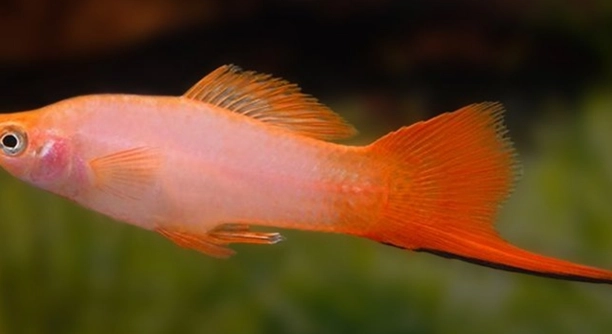
Swordtails are a popular fish species in many home aquariums, admired for their vibrant colors and active nature. However, one common behavior that often catches the eye of aquarium owners is their tendency to linger near the air stone.
Swordtails are often drawn to air stones because of the oxygenated water created by the bubbles. The movement of water helps them access fresh oxygen, which is vital for their survival and overall health. This behavior is natural.
Understanding why swordtails linger near air stones will help ensure their well-being. It also sheds light on how aquarium setups influence the behavior of fish. So, let’s take a closer look at this fascinating phenomenon!
The Importance of Oxygen for Swordtails
Swordtails, like all fish, rely on oxygen to survive. While most fish get oxygen from the water through their gills, swordtails are particularly drawn to areas with higher oxygen concentration. An air stone creates bubbles that help oxygenate the water. This extra oxygen is important, especially in tanks with high fish populations or limited surface area for gas exchange. Swordtails need a steady oxygen supply to stay healthy, and the air stone provides a consistent flow of oxygenated water. When they hang around the bubbles, they’re simply ensuring they’re getting enough oxygen to thrive.
An air stone can be a key feature in any tank, particularly for swordtails. It helps maintain a healthy environment by improving water flow and oxygen levels, making it easier for fish to breathe.
Swordtails are active fish, and they swim continuously. The more active the fish, the more oxygen they require. In a well-balanced aquarium, the air stone keeps oxygen levels stable, reducing stress and improving their overall quality of life. With the bubbles rising from the stone, the fish instinctively stay close to them, which also helps maintain water circulation in the tank. In nature, swordtails swim through areas with more water movement, so in captivity, they seek out similar conditions.
Other Factors at Play
Though oxygen is a major factor, swordtails might also linger near air stones due to the current created by the bubbles. This movement mimics natural water flows, making the environment feel more familiar.
Water flow and movement are significant to swordtails’ comfort. In the wild, these fish live in rivers and streams, where the current is ever-present. The gentle bubbles created by an air stone create a similar effect. Swordtails enjoy the stimulation of moving water, and it can help reduce stress. The added current encourages swimming, which is essential for their physical health. In some cases, swordtails might even position themselves to make the current work with their natural movements, as they would in their natural habitat.
Adding an air stone to your tank also improves the overall environment for other fish and helps to prevent stagnant water. With better circulation, oxygen reaches all areas of the tank, which benefits every inhabitant. Swordtails hanging near the air stone are simply adjusting to their environment, using the current to stay healthy and active. By providing a well-oxygenated space, you’ll create a thriving atmosphere where swordtails and other fish can flourish.
The Role of Tank Size and Density
Swordtails prefer open spaces where they can swim freely. A smaller tank with too many fish can cause oxygen levels to drop, leading swordtails to seek air stones. In larger tanks, oxygenation is often better, but it still helps to have an air stone in place.
In smaller tanks, the fish may have to work harder to access oxygen, especially when they’re crowded. Swordtails in these conditions may spend more time near air stones or other areas of high water movement. When the tank is densely populated, the lack of space can increase competition for oxygen, making an air stone an essential feature.
Proper tank size and density are key to swordtail well-being. Without enough oxygen, fish become stressed, which can weaken their immune system and reduce their overall health. Adding an air stone improves the water quality, ensuring that all the fish have better access to oxygen. A balanced environment helps swordtails stay healthy and vibrant. A larger tank with a low density of fish helps maintain this balance, but an air stone can still be beneficial in any size tank.
Water Temperature and Conditions
Water temperature affects oxygen solubility. Colder water holds more oxygen, while warmer water holds less. Swordtails might linger near the air stone when the water temperature rises because they instinctively seek areas with higher oxygen concentrations.
When water temperatures increase, the dissolved oxygen levels decrease, which can cause stress for swordtails. They may naturally move closer to the air stone, which provides higher oxygen levels. Warmer water temperatures also lead to increased metabolism, so swordtails need more oxygen to keep up with their energy demands. If you notice swordtails spending more time near the air stone during warmer months, it’s likely a response to the oxygen levels in the tank.
To maintain optimal conditions for your swordtails, it’s important to keep the water temperature steady, ideally between 72°F and 78°F. Ensure your air stone is functioning properly and check your aquarium’s oxygen levels regularly. Maintaining this balance will keep your fish happy and reduce stress, especially when temperatures fluctuate.
Fish Behavior and Social Dynamics
Swordtails are social creatures, often found in groups. They tend to gather near areas with high oxygen levels, like near an air stone. This behavior isn’t just about oxygen but also provides a sense of safety and comfort.
When swordtails swim near the air stone, they may be interacting with other fish or simply staying within a group. Fish in groups often rely on each other for protection, and being near the air stone offers them a safe, well-oxygenated space. The presence of other swordtails can reduce stress, encouraging them to stay in one area longer.
This social behavior is natural for swordtails, and ensuring there are enough hiding spots and oxygen-rich areas will keep them calm and content. In a well-maintained tank with proper flow, swordtails will thrive, enjoying both the companionship of their peers and the environmental benefits provided by the air stone.
Air Stone Maintenance
Keeping your air stone clean is essential for its efficiency. A dirty air stone can clog and reduce the oxygen flow, making it less effective.
Regular cleaning of your air stone is necessary to maintain proper water circulation. Over time, mineral buildup can block the pores of the stone, decreasing the number of bubbles produced. Clean it every few weeks by soaking it in vinegar or replacing it if needed. A clean air stone will ensure a steady flow of oxygen, benefiting your swordtails and keeping them healthy.
Tank Water Chemistry
Swordtails are sensitive to water changes, including pH and ammonia levels. Poor water quality can cause them to stay near air stones, seeking oxygen and relief from toxins.
Maintaining good water chemistry is crucial for swordtails’ health. Regular water changes, monitoring ammonia and nitrite levels, and ensuring a stable pH between 7.0 and 8.0 will help your fish stay comfortable. If the water quality drops, swordtails will instinctively move to areas with better oxygenation, such as near the air stone.
FAQ
Why do swordtails spend so much time near the air stone?
Swordtails tend to linger near air stones because the bubbles create an area with more oxygen. The movement of water from the air stone helps oxygenate the tank, and swordtails instinctively go to places where they can breathe more easily. When oxygen levels are low in other parts of the tank, they’ll naturally swim towards the bubbles to get more air.
Can an air stone be harmful to swordtails?
Generally, an air stone won’t harm swordtails. However, if the bubbles are too strong, they might create too much water movement, which could stress your swordtails. Make sure the flow is gentle and suits the size of your tank. As long as the bubbles are not too forceful, the air stone will be beneficial for them.
How often should I clean the air stone in my tank?
You should clean the air stone every two to four weeks. Over time, minerals and algae can clog the pores, reducing the oxygen flow. Soaking the air stone in vinegar or a cleaning solution will help remove buildup. Regular cleaning ensures the bubbles keep flowing smoothly, providing consistent oxygen to your fish.
Do swordtails need an air stone in every tank?
While it’s not absolutely necessary in all tanks, it’s recommended in tanks where oxygen levels might be lower. Smaller tanks, tanks with a high fish population, or tanks with poor water circulation can benefit from an air stone. It helps maintain proper oxygen levels, which is crucial for the health of swordtails and other fish.
What is the ideal tank size for swordtails?
Swordtails do best in tanks that are at least 20 gallons. Larger tanks are always better, as they provide more swimming space and help maintain more stable water conditions. In smaller tanks, the water quality can fluctuate more easily, which might stress your swordtails. A 20-gallon tank provides enough space for swordtails to move freely while still maintaining good water conditions.
How many swordtails should I keep together in a tank?
Swordtails are social fish, so it’s best to keep them in groups. A group of at least 3-5 swordtails is recommended, as they tend to thrive better when they have company. However, be cautious about overcrowding, as too many fish in a small tank can lead to lower oxygen levels and poor water quality.
How do I know if my swordtails are stressed?
Stressed swordtails may exhibit erratic swimming behavior, such as swimming in circles or staying near the surface. They might also hide more than usual or show signs of fading colors. If you notice these signs, check the water quality, oxygen levels, and ensure there’s no overcrowding in the tank.
Can I rely solely on an air stone for oxygenation?
An air stone helps, but it should not be the only source of oxygenation. It’s important to maintain proper water circulation and filtration, as these processes also contribute to oxygen exchange. A filter or surface agitation helps oxygenate the water throughout the tank, ensuring all areas have adequate oxygen.
What water conditions do swordtails prefer?
Swordtails thrive in slightly alkaline water with a pH between 7.0 and 8.0. They also prefer water temperatures between 72°F and 78°F. It’s essential to keep ammonia and nitrite levels at zero and perform regular water changes to ensure they stay in a healthy environment.
Can I add other fish with swordtails?
Yes, swordtails generally get along well with other peaceful fish. Avoid aggressive or overly territorial species that might stress them out. Good tank mates for swordtails include guppies, tetras, and mollies. Ensure that any other fish you add have similar water condition needs and temperaments.
How can I make my tank more comfortable for swordtails?
To make your swordtail’s environment more comfortable, ensure they have enough space to swim and hide. Add plants and decorations that provide shelter. Keep the water quality high by performing regular water changes and maintaining a functional filtration system. Additionally, ensure the temperature and pH levels are stable and within the ideal range for swordtails.
Why are my swordtails acting lethargic?
Lethargy in swordtails can be a sign of poor water quality, incorrect temperature, or low oxygen levels. Check the water parameters, and if needed, add an air stone or improve circulation in the tank. If lethargy persists, you may need to check for illness or parasites that might be affecting the fish.
Final Thoughts
Swordtails are fascinating fish, and understanding their behavior helps ensure they thrive in your aquarium. When swordtails gather around an air stone, it’s typically a sign they are seeking more oxygen. The movement of the water and the bubbles provide them with a more oxygenated environment, which is especially important if the tank is smaller or if the fish are more active. It’s a natural instinct for swordtails to be near areas where the oxygen levels are higher, as this helps them stay healthy and stress-free.
While an air stone can be a simple and effective solution to improve oxygen flow in your tank, it’s important to remember that it shouldn’t be the only consideration. Water quality, temperature, and tank size all play significant roles in the well-being of your swordtails. Ensuring your tank is large enough, with proper filtration and circulation, will provide a balanced environment for all your fish. Swordtails, like all fish, thrive best in stable and well-maintained conditions, so regular water changes and monitoring of water parameters like pH, ammonia, and nitrites are essential.
Finally, if you notice your swordtails spending a lot of time near the air stone, it may be worth checking other factors like overcrowding or water temperature. These can affect oxygen levels and could be the reason your swordtails are more drawn to the bubbles. A healthy tank setup, where oxygen levels are consistent, will lead to happier fish. Providing them with a suitable environment, along with a clean and well-maintained air stone, ensures that your swordtails remain vibrant and active.

Hello,
If you enjoy the content that we create, please consider saying a "Thank You!" by leaving a tip.
Every little bit helps us continue crafting quality advice that supports the health, happiness, and well-being of pets around the world, for pets of all shapes, sizes, and species.
We really appreciate the kindness and support that you show us!