
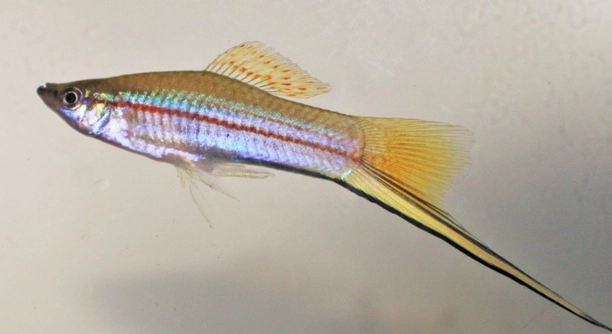
Swordtails are popular fish in aquariums due to their vibrant colors and active nature. Understanding their needs helps ensure they thrive in a home tank. One key question is whether swordtails prefer depth or width in their environment.
Swordtails typically prefer longer tanks with more width than depth. This allows them ample space to swim freely and exhibit their natural behaviors, such as schooling and exploring different areas. A wider tank provides a more comfortable and stimulating environment.
Choosing the right tank for swordtails can lead to a happier, healthier fish. Understanding how space affects them will help create a more suitable home for your aquatic companions.
Why Swordtails Need More Width Than Depth
Swordtails are active swimmers, so they need space to move around. A tank that is too deep can limit their ability to swim freely. In comparison, a wider tank allows them to travel more horizontally, which is essential for their health and well-being. This horizontal swimming is key for their social behavior, as they naturally prefer to stay in schools.
The extra width provides more swimming space for swordtails, especially since they are naturally more active in the middle levels of the water. This makes a tank with greater surface area more ideal for them. A deeper tank might make them feel confined or lead to less movement, which can affect their overall behavior and health.
When setting up a tank for swordtails, consider their size and the fact they often swim in groups. A larger tank with more width encourages them to socialize, explore, and display their natural behaviors. This setup reduces stress, promotes a better quality of life, and supports healthier, happier fish.
Other Factors Affecting Tank Setup
Apart from tank width, there are other considerations when setting up a home for swordtails. Water quality, temperature, and the right tank mates also play important roles in keeping them healthy.
Providing proper filtration helps maintain clean water, which is essential for swordtails’ health. Swordtails prefer slightly alkaline water with a temperature between 72°F and 78°F. They also thrive in a peaceful environment, so it’s important to avoid aggressive species that could stress them. Choosing appropriate plants and decorations will also give them areas to hide and explore, further enhancing their tank experience.
Tank Size and Swordtail Health
The size of the tank is crucial for swordtails. A tank that is too small will cause overcrowding, leading to stress and possible health issues. Swordtails need enough space to swim, feed, and socialize without feeling cramped.
A 20-gallon tank is the minimum recommended size for a small group of swordtails. This allows them to swim comfortably and have space to interact with each other. A larger tank also helps maintain stable water conditions, which is essential for swordtails’ health. The more room they have, the less likely they are to become stressed or aggressive.
If the tank is too small, swordtails may become territorial, and water quality could decline more quickly. They will also have limited space for breeding, which could impact their ability to thrive. Ensuring a spacious, clean environment will reduce stress and help swordtails live longer, healthier lives.
Water Conditions and Swordtails
Swordtails are sensitive to water quality. Maintaining clean, stable water is just as important as tank size. Swordtails thrive in slightly alkaline water with a pH between 7.0 and 8.3. This helps them stay active and healthy.
The temperature of the water also plays a big role in swordtail care. They are happiest when the water stays between 72°F and 78°F. Too cold or too hot water can make them sluggish, and it can affect their immune system. Regular water changes and proper filtration are necessary to keep the water clean and healthy.
Besides the temperature and pH levels, swordtails also need oxygen-rich water. A well-maintained filter helps oxygenate the tank and removes toxins. The addition of live plants can help with oxygenation and provide natural hiding spots, contributing to a stress-free environment.
Swordtail Behavior in Different Tank Setups
Swordtails are social fish and do well in groups. A larger tank with plenty of space encourages natural behavior like schooling and exploring. When they feel crowded, they may become more aggressive or stressed, which can harm their well-being.
A spacious tank helps swordtails feel safe. They are less likely to exhibit territorial behavior, and their social interactions improve. They often swim in schools, following one another through the tank. The more room they have, the more comfortable they feel, leading to a calmer, healthier environment.
In contrast, a smaller tank may cause stress and result in hiding or reduced activity. A stressed swordtail can suffer from weakened immune systems or even illness. Providing a larger tank with plenty of space ensures they live a more fulfilling, active life.
The Importance of Tank Decorations
Swordtails enjoy tanks with decorations like plants, caves, and driftwood. These features offer hiding spots and make the tank more interesting. It’s important to ensure the decorations are smooth and free from sharp edges to avoid injury.
These additions also help to mimic their natural habitat, making swordtails feel more at ease. Plants, in particular, provide oxygen and natural filtration, which contributes to the overall health of the tank. When swordtails have spaces to explore and hide in, they feel secure, reducing stress and improving their social interactions.
Tank Mates for Swordtails
Swordtails can coexist with many other peaceful species. They thrive in tanks with other non-aggressive fish like guppies, mollies, and platies. However, it’s essential to avoid aggressive species that might stress them out or cause harm.
FAQ
Do swordtails prefer shallow or deep tanks?
Swordtails tend to prefer tanks with more width than depth. They are active swimmers, often moving horizontally rather than vertically. A tank with greater surface area gives them more space to swim and interact with each other, which is crucial for their well-being. Deep tanks, on the other hand, limit their ability to explore freely. They tend to occupy the middle levels of the tank, so having more horizontal space allows them to feel more comfortable.
What size tank is best for swordtails?
For a small group of swordtails, a 20-gallon tank is the minimum recommended size. This allows enough space for them to swim around and socialize. A larger tank, such as a 30 or 40-gallon, is ideal if you want to keep a bigger group or include other species. Swordtails can become stressed and territorial if kept in too small of a space, which can lead to health issues. Proper filtration and water changes are also more manageable in larger tanks, which helps maintain stable water conditions.
Can swordtails live with other fish?
Yes, swordtails are generally peaceful and can live with a variety of non-aggressive species. They do well with other livebearers, like mollies, platies, and guppies. However, it’s important to avoid aggressive species like cichlids or large predatory fish. Swordtails can be stressed by overly territorial fish. Always ensure your tank mates are compatible in terms of size, temperament, and water requirements to create a peaceful community.
How many swordtails should be kept together?
Swordtails are social fish and should be kept in groups of at least three to five. Keeping them in groups encourages natural schooling behavior and reduces stress. A larger group is ideal, but it’s important not to overcrowd the tank. When swordtails are alone, they can become shy or aggressive. A group provides them with the social structure they need for happiness.
What type of water do swordtails need?
Swordtails prefer slightly alkaline water, with a pH level between 7.0 and 8.3. They also need water temperatures between 72°F and 78°F. Keeping the water within this range helps maintain their energy and immune function. Frequent water changes and good filtration are essential to keep water quality high. Swordtails are not as sensitive as some other fish species, but poor water quality can lead to stress and illness.
How often should I change the water in a swordtail tank?
Water changes are crucial for maintaining the health of your swordtails. You should aim to change about 25% of the tank water every one to two weeks, depending on tank size and the number of fish. If you have a larger group or several fish species, you might need to change the water more often. Always use a water conditioner to remove chlorine or chloramine before adding fresh water. Regular water changes help maintain stable conditions and prevent the buildup of toxins.
What is the best food for swordtails?
Swordtails are omnivores and should be fed a balanced diet that includes both plant-based and protein-rich foods. High-quality flake food or pellets designed for livebearers are ideal. They also enjoy occasional treats like brine shrimp, daphnia, and finely chopped vegetables such as spinach and peas. Be sure to avoid overfeeding, as leftover food can pollute the water. It’s best to feed swordtails in small amounts, two to three times per day.
Do swordtails need a lot of plants in their tank?
Swordtails do benefit from plants in their tank. Plants provide oxygen, help maintain water quality, and offer hiding spots that make swordtails feel secure. They are particularly fond of plants like Java fern, hornwort, and water sprite. These plants also give them places to explore, which reduces stress. However, the plants should be kept clean and not overly dense, as swordtails still need plenty of swimming space. Live plants can help to create a more natural environment, promoting better health.
How can I tell if my swordtails are stressed?
Stressed swordtails often display behaviors such as hiding, reduced activity, or aggressive interactions with tank mates. They may also lose their vibrant color or appear lethargic. If you notice these signs, it’s important to check water conditions, tank size, and the number of tank mates. Stress can also be caused by sudden changes in temperature or water quality, so ensure everything is stable. Addressing these factors can help reduce stress and improve the overall health of your fish.
Are swordtails easy to breed?
Yes, swordtails are relatively easy to breed, making them a popular choice for beginner breeders. They are livebearers, meaning they give birth to live young instead of laying eggs. To breed swordtails, you’ll need a separate breeding tank or plenty of hiding places for the young fry. The male swordtail’s tail fin is longer and more pronounced, so identifying males from females is easy. After mating, females give birth in about 4-6 weeks. Fry should be kept in a separate area to avoid being eaten by the adults.
Final Thoughts
Swordtails are relatively easy to care for and can make great additions to your aquarium, especially if you’re looking for active and colorful fish. They prefer tanks that offer plenty of space to swim horizontally, with more width than depth being ideal. A tank that is too deep may limit their movement, leading to stress and a decrease in their overall well-being. Providing them with a tank that suits their natural instincts, along with proper care and attention, will help them thrive in your aquarium.
When setting up your swordtail tank, always consider their social nature. They are happiest in groups, so it’s a good idea to keep at least three or five swordtails together. This helps them engage in natural schooling behavior and reduces stress. The right tank size is also essential. A minimum of 20 gallons is recommended for a small group, with larger tanks being ideal for bigger groups or additional fish. Proper filtration and consistent water changes are necessary to maintain a clean and stable environment. Swordtails are relatively hardy, but they still require good water quality to remain healthy.
Swordtails are not particularly fussy when it comes to food, but they do best with a balanced diet. They enjoy both plant-based foods and protein-rich treats like brine shrimp or daphnia. By providing them with a variety of food and ensuring their tank is properly maintained, you can enjoy a thriving, colorful group of swordtails in your home aquarium. Keep in mind their need for space, proper water conditions, and the right tank mates, and you’ll have happy and healthy swordtails for years to come.

Hello,
If you enjoy the content that we create, please consider saying a "Thank You!" by leaving a tip.
Every little bit helps us continue crafting quality advice that supports the health, happiness, and well-being of pets around the world, for pets of all shapes, sizes, and species.
We really appreciate the kindness and support that you show us!