
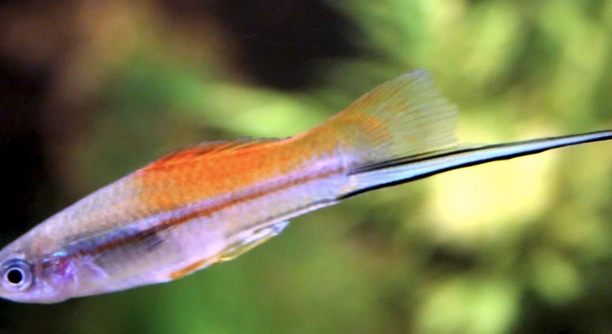
Do you ever notice your swordtail changing colors and wonder what it means for their health or behavior? These shifts can seem subtle but often carry important messages about their well-being and environment.
Swordtail color changes can signal stress, illness, breeding readiness, dominance, or adaptation to surroundings. Each shift in hue often reflects internal or external factors influencing the fish, making these changes worth noticing and understanding carefully.
Understanding what each color change means can help you care for your swordtail better and avoid potential problems before they worsen.
Brightening to a Vibrant Red
Swordtails often turn a brighter red when they’re feeling confident and ready to breed. This color shift is usually seen in males trying to attract a mate or establish dominance over others in the tank. A rich red tone is a good sign—they’re healthy, active, and responding to their environment in a natural way. Sometimes, the red can also appear after a diet upgrade or water quality improvement. It’s your swordtail’s way of showing they’re comfortable and thriving. Keep an eye on tank dynamics, though, because this behavior may also trigger territorial responses in more aggressive fish.
A sudden change to bright red isn’t something to worry about. It usually means your fish is doing well.
To support this positive shift, continue offering a protein-rich diet with added vegetables for balance. Regular water changes and stable temperature levels also help maintain strong coloration. If you notice other swordtails reacting, consider spacing out hiding spots or decorations to reduce stress. Red often shows up most intensely under good lighting, so make sure your aquarium light is clean and set to a consistent timer. In short, bright red coloring is generally a signal of well-being, so enjoy watching your fish express themselves confidently and naturally.
Fading to a Pale or Dull Shade
A swordtail that fades in color may be dealing with stress or illness. It’s often one of the first signs that something is off.
Pale colors can mean poor water conditions, bullying from other tank mates, or lack of nutrients in the diet. Start by testing your water parameters to check for ammonia, nitrites, or unstable pH levels. These can all cause stress and dull a fish’s color. It’s also important to watch for signs of aggression or fin nipping. Some fish become pale when they’re constantly chased or outcompeted for food. If your tank is overstocked, consider moving a few fish to another tank to help reduce tension. Nutrition plays a role, too—fish that don’t get enough variety or essential vitamins may lose their natural color. Look for foods with added spirulina or color enhancers. By improving these conditions, you give your swordtail the best chance to return to its natural, healthy appearance.
Turning Black or Developing Dark Patches
Black coloring or dark patches can show up due to stress, poor water quality, or genetic traits. Some swordtails naturally develop black spots, but if the change is sudden, it’s best to check for any recent shifts in tank conditions or aggressive behavior.
When dark patches appear quickly, especially near the fins or belly, stress is often the cause. Overcrowded tanks, frequent water changes, or unstable temperatures can bring on this shift. Check for bullying among tank mates or rapid changes in lighting. Another possible cause is ammonia or nitrite spikes. Testing the water and making slow, steady adjustments can help. In some cases, darkening is harmless and part of the fish’s natural pattern, especially in certain color strains. If your fish is acting normally, eating well, and swimming actively, the black coloration may not be a concern.
On the other hand, if the fish also seems sluggish or hides more often, look closer at their overall health. Dark patches can sometimes be early signs of disease or parasites. Pay attention to clamped fins, rapid gill movement, or scratching on tank decorations. These symptoms usually need quick treatment. Quarantining the fish and using gentle medication may help. Avoid overreacting, but act fast if behavior changes too.
Turning Yellow or Orange
Yellow or orange changes usually point to a boost in nutrition or a maturing swordtail. Young fish sometimes brighten in color as they grow into adulthood, especially when they’re healthy and well-fed.
Some swordtails carry genes that cause more gold or orange tones to appear with age. Diets rich in beta-carotene can also bring out these shades. Flakes or pellets designed for color enhancement often include natural pigments like paprika or marigold. If your swordtail is developing richer color while staying active and eating normally, it’s usually a sign of good health. Lighting can also make a difference—try adjusting your aquarium’s brightness and watching how it affects the fish’s look. As long as there are no other symptoms, orange or yellow shifts are typically harmless and even beautiful to see.
Turning White or Losing Color
Swordtails that turn white may be reacting to sudden stress. Common causes include recent tank changes, poor water quality, or aggressive tank mates. This kind of color loss can happen fast, especially after being introduced to a new environment.
Sometimes, white coloring is also linked to illness. Look for other symptoms like labored breathing, frayed fins, or loss of appetite. If these signs show up, it’s best to isolate the fish and treat with basic medications while keeping the water clean and stable.
Displaying Iridescent or Shimmering Tones
Iridescent or shimmering colors usually appear when a swordtail is in excellent health and relaxed in its environment. These flashes often show up during playful behavior, feeding, or interactions with other fish. Good lighting can also enhance this effect. It’s most noticeable on clean, healthy scales and often disappears when the fish is stressed or hiding. If you’re seeing more shimmer than usual, it could mean your fish is thriving, getting the right nutrition, and living in a low-stress tank. These tones are natural and don’t signal anything negative—they’re just part of your swordtail’s vibrant display.
Developing Blue or Green Hues
Blue or green hues are rare but often genetic. Some swordtail strains naturally develop these tones over time.
FAQ
Why is my swordtail changing color suddenly?
Sudden color changes are usually a sign of stress or adjustment to a new environment. This can happen when you move the fish to a different tank, add new tank mates, or change the water conditions too quickly. Fish are sensitive to things like temperature, lighting, and pH. A shift in any of these can lead to noticeable changes in their appearance. Sometimes the color returns after a few days, once the fish settles in again. Make sure to avoid rapid changes, and always introduce new fish or items slowly.
Can diet really affect a swordtail’s color?
Yes, diet plays a big role in how bright or dull your swordtail appears. Fish that get a balanced, varied diet with added nutrients usually show stronger colors. Look for foods with ingredients like spirulina, krill, or marigold extract—these help bring out reds, oranges, and yellows. Feeding only basic flakes for too long can cause colors to fade. Try to rotate their meals with high-quality pellets, frozen or live foods, and occasional vegetable-based options. A good diet not only improves color but also keeps the fish healthier overall.
Is color fading always a sign of illness?
No, not always. Sometimes fading is just temporary and caused by minor stress, especially after a tank cleaning or a change in lighting. However, if fading continues or happens alongside signs like hiding, loss of appetite, or frayed fins, it may be a sign of illness. Check the water conditions first—poor quality is one of the most common reasons swordtails get sick. If everything looks normal and the fish still seems off, consider isolating it and observing for a few days before deciding on treatment.
How can I make my swordtail’s colors more vibrant?
Start with clean, stable water and a stress-free tank. Make sure the temperature, pH, and ammonia levels are steady and within a healthy range. Add live plants and hiding spots to help your fish feel secure. Good lighting can enhance how colors appear, but don’t make it too bright or harsh. Most importantly, feed your swordtail a mix of protein-rich and color-enhancing foods. Over time, you’ll likely see the colors deepen and become more defined.
Are certain color changes more common in males or females?
Yes, males are more likely to show dramatic shifts in color, especially during breeding or when they’re competing for attention. Their colors often become more intense to attract females or to show dominance. Females may change slightly, but not as often or as brightly. However, both genders can experience color changes due to stress, illness, or environmental factors. It’s a good idea to observe the behavior along with the color. If a male suddenly dulls, for example, he may be sick or losing rank in the tank.
Should I be worried if my swordtail has black spots?
Not necessarily. Some swordtails, especially marbled or speckled varieties, naturally develop black patches as they age. These spots can change over time and usually don’t mean anything harmful. But if the black areas are raised, growing, or paired with signs of distress, they could signal a problem like ammonia burns or a skin infection. Always keep water quality high and observe the fish’s behavior. If you’re unsure, a quick check with a vet or experienced aquarist can help.
Can lighting affect a swordtail’s color?
Absolutely. The right kind of lighting can bring out your fish’s natural tones, especially reds, blues, and shimmering hues. LED aquarium lights work well for highlighting colors without overheating the tank. Too much light, though, can stress fish, so use a timer to keep a regular day-night cycle. Consistency helps your swordtail show its best colors. Keep the light clean, and avoid placing the tank near windows where light and temperature can vary too much.
Do swordtails change color as they age?
Yes, it’s normal for swordtails to go through color changes as they grow. Juveniles often start with duller shades that become brighter as they mature. Some colors, like orange, red, or black, can become more visible once the fish reaches adulthood. However, very old swordtails might start to fade again as part of the aging process. These shifts are usually gradual and shouldn’t be a concern if your fish is active and eating well.
Can color changes happen because of tank mates?
Yes, swordtails can change color based on who they share a tank with. Aggressive or dominant fish can cause stress, which might make your swordtail fade or develop blotchy patches. In contrast, a peaceful tank with calm companions helps maintain bright, steady coloring. If you notice your fish hiding more or looking pale, observe interactions between fish. Sometimes just rearranging decorations or adding more hiding spots can reduce stress and help the fish feel safe again.
What’s the best way to monitor my swordtail’s color health?
Make it a habit to check your fish every day while feeding. Look at their color, movement, and behavior. If something seems off, test the water right away and look for signs of injury or illness. Keeping a journal or taking photos weekly can help you track small changes over time. If a color shift seems unusual or sudden, early action can prevent bigger issues. Watching your fish closely is one of the simplest ways to keep them healthy.
Final Thoughts
Swordtail color changes can happen for many reasons. Some are completely normal, like growing up, breeding, or responding to a healthy environment. Others may be signs that something is wrong, such as stress, poor water quality, or illness. Paying attention to these shifts helps you better understand your fish. It’s one of the simplest ways to notice if they’re happy, healthy, or possibly uncomfortable. While some color changes are sudden, many are gradual and harmless. Knowing what to look for makes it easier to respond in the right way, without guessing or panicking.
The most important thing is to keep your tank stable and clean. Fresh water, balanced food, and calm tank mates all help swordtails stay bright and active. Regular checks on your water parameters can prevent most issues before they start. If you ever notice pale colors, black spots, or fading, don’t jump to conclusions. Instead, check the basics—look at their behavior, test the water, and review any recent changes in the tank. If your swordtail is eating, swimming well, and not showing signs of sickness, the color change might just be part of a natural process. Every fish is different, and some changes are simply part of who they are.
Watching your swordtail’s color is a helpful habit that takes only a minute each day. These visual clues can tell you a lot, even when everything else seems fine. A healthy swordtail usually has bright, steady color, but that doesn’t mean small shifts are always bad. As long as your fish seems active and comfortable, slight changes are often nothing to worry about. Just keep learning, stay consistent with your care, and your swordtails will likely show their best colors over time.

Hello,
If you enjoy the content that we create, please consider saying a "Thank You!" by leaving a tip.
Every little bit helps us continue crafting quality advice that supports the health, happiness, and well-being of pets around the world, for pets of all shapes, sizes, and species.
We really appreciate the kindness and support that you show us!