
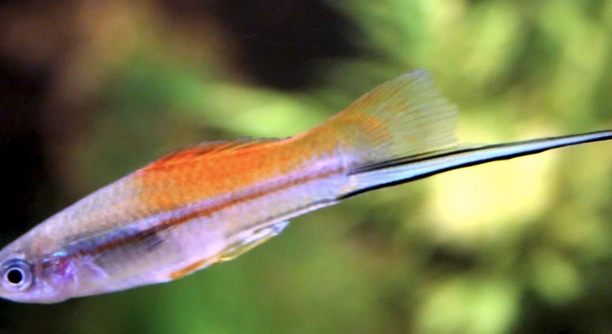
Swordtails are popular aquarium fish, known for their vibrant colors and energetic swimming. However, you may notice they suddenly slow down, causing concern. Understanding why this happens can help you ensure their health and well-being.
The slowing down of swordtails is often caused by water quality issues, temperature fluctuations, or stress. Poor water conditions or an environment that is too cold can lead to lethargy. Ensuring proper water care and temperature regulation can prevent this.
Understanding these key factors will help you maintain a healthy environment for your swordtails, so they can thrive and remain active.
Water Quality and Swordtail Behavior
Water quality plays a crucial role in the health and activity levels of swordtails. If the water in your aquarium is polluted or improperly balanced, it can lead to slow movements and a lack of energy. High levels of ammonia, nitrites, or nitrates can build up in the water, causing your swordtails to feel stressed and lethargic. This is especially true if you don’t do regular water changes or maintain proper filtration. Swordtails thrive in clean, well-oxygenated water. Regular monitoring of water parameters like pH, hardness, and temperature is key to keeping them healthy.
The presence of toxic substances in the water can lead to more than just slow movement. It can cause long-term health issues if not corrected promptly. Swordtails are sensitive to water changes, so a slow and steady approach to improving water quality is necessary.
To avoid this, test your water frequently, clean the tank regularly, and make sure the filtration system is functioning well. Keeping the water clear helps swordtails stay active and vibrant.
Temperature and Swordtail Health
The temperature of the water directly affects your swordtail’s activity level.
Swordtails are tropical fish and require a steady water temperature between 72°F and 82°F. If the water is too cold or too hot, swordtails can become sluggish and stop swimming as actively. Cold water, in particular, slows down their metabolism, causing them to rest more. A reliable heater can help maintain the right temperature, especially in cooler climates.
A stable temperature is vital for their health. Temperature swings or sudden drops can shock their system and weaken their immune response, making them more susceptible to disease. Keep an aquarium thermometer to monitor the temperature consistently. If you notice your swordtails becoming lethargic, the water may be too cold or too hot, affecting their behavior.
Stress and Swordtail Activity Levels
Stress is a significant factor in swordtail behavior. Swordtails are naturally active fish but can become slow and unresponsive when stressed. Stress can be caused by several factors, including overcrowding, aggressive tankmates, or lack of hiding spots. If your swordtails feel threatened or uncomfortable in their environment, they may stop swimming and remain in one spot.
Inadequate space in the tank or a lack of plants or decorations to hide behind can make them feel exposed, increasing their stress levels. Swordtails are more likely to thrive in a tank with proper decoration and enough room to swim freely. It’s essential to observe their behavior closely to identify any signs of stress early on. Additionally, aggressive fish or species that are too large can intimidate swordtails, leading them to become more passive.
Reducing stress involves creating a peaceful and comfortable environment. If you notice signs of stress in your swordtails, consider rearranging the tank or adding more plants and hiding spots. Providing a safe and stress-free space allows your swordtails to be more active and healthy.
Overfeeding and Its Impact on Swordtails
Overfeeding swordtails can lead to sluggish behavior. When they eat more than they need, it can affect their digestion, making them less active. Extra food that isn’t eaten decomposes in the tank, lowering water quality and contributing to a poor environment. Keeping feeding amounts in check ensures your swordtails are energetic and healthy.
Swordtails should be fed once or twice a day, with only enough food to be eaten within a few minutes. Overfeeding can lead to bloating and other health issues, causing them to move slowly. It’s important to avoid leaving uneaten food in the tank, as this not only affects their activity but also worsens the water conditions. Regularly cleaning up leftover food will keep the environment clean and prevent water quality issues.
An easy way to monitor feeding is by observing how quickly your swordtails eat. If they leave food behind, reduce the amount. This simple change can improve their energy levels and overall health.
Tank Size and Movement
A small tank can cause swordtails to feel cramped, reducing their activity. Swordtails need space to swim freely, and if the tank is too small, they may become lethargic. A tank that is too crowded with fish can also contribute to stress and hinder their natural movements.
Providing at least a 20-gallon tank for swordtails is recommended, especially if you plan to keep multiple fish. The extra space allows them to swim around comfortably and helps prevent territorial disputes. In smaller tanks, swordtails may struggle to move, often staying in one corner or swimming in short bursts.
Additionally, overcrowding can lead to poor water quality and increased aggression among tankmates. By ensuring your swordtails have plenty of room to swim, you create a healthier, more active environment that encourages natural behavior.
Illness and Swordtail Behavior
When swordtails are sick, their activity level tends to drop. Common illnesses like parasites or infections can cause them to become lethargic. If your swordtails seem unusually still or are hiding more than usual, it’s a sign they might not be feeling well.
To check for illness, look for visible signs like discoloration, spots, or abnormal swimming behavior. If you suspect they’re unwell, consider isolating them in a quarantine tank and consulting a vet. Early treatment helps prevent the spread of diseases and improves their chances of recovery.
Poor Water Circulation
Swordtails require good water circulation to stay active and healthy. Stagnant water can lead to low oxygen levels, making it harder for swordtails to swim energetically. Without proper movement in the water, their metabolism may slow down.
Ensuring that the filter is working properly and that water circulates effectively will keep the environment healthy. An aquarium pump can also help with water flow. Swordtails thrive in tanks where the water isn’t still, as it allows them to engage in their natural swimming patterns. Without good circulation, they may become sluggish.
Lack of Proper Nutrition
Swordtails need a balanced diet to maintain their energy levels. Without the right nutrients, they can become sluggish and inactive. Feeding them a variety of foods, such as high-quality pellets, flakes, and occasional live food, is essential.
A lack of nutrition or poor-quality food can directly affect their activity levels. Providing them with the proper amount of food and ensuring it meets their dietary needs will help maintain their health and keep them swimming energetically. Regularly changing their food options can also encourage them to stay more active.
FAQ
Why is my swordtail not moving as much?
Swordtails may slow down due to poor water quality, temperature fluctuations, stress, or illness. If your fish are not moving much, check the water parameters first. High ammonia levels or improper temperature can make them sluggish. Stress from overcrowding or aggressive tankmates can also reduce their activity. Ensure they have plenty of space, good water circulation, and a stable environment to thrive.
How can I tell if my swordtail is stressed?
Stressed swordtails often display unusual behavior like hiding, staying at the bottom of the tank, or swimming erratically. They may also become more reclusive and less social with other fish. Common stressors include poor water quality, overcrowding, aggressive tankmates, or sudden changes in the environment. Reducing stress can help them regain their energy.
Is it normal for swordtails to hide sometimes?
Yes, it’s normal for swordtails to hide from time to time, especially if they feel threatened or stressed. However, if they are hiding excessively or for prolonged periods, it could be a sign of illness or stress. Ensure the tank has plenty of hiding spots like plants or decorations to make them feel secure. If hiding persists, monitor their health and the tank environment.
What is the ideal water temperature for swordtails?
Swordtails thrive in water temperatures between 72°F and 82°F. Water that is too cold can slow down their metabolism and make them less active. On the other hand, water that is too warm can stress them out. Keep the temperature consistent with a reliable heater to maintain their health and activity.
Can swordtails survive in cold water?
Swordtails are tropical fish and cannot survive in cold water. They require warm temperatures, ideally between 72°F and 82°F. If the water is too cold, they will become sluggish and may eventually get sick. It’s important to maintain the right water temperature for their well-being and activity.
How much should I feed my swordtail?
Swordtails should be fed once or twice a day, with only as much food as they can eat in about 2–3 minutes. Overfeeding can lead to sluggish behavior and water quality issues. If food is left uneaten, remove it from the tank to prevent it from decomposing and affecting water conditions.
Can swordtails eat frozen food?
Yes, swordtails can eat frozen food such as brine shrimp, bloodworms, and daphnia. These foods are excellent for providing variety in their diet. However, make sure to thaw the food before feeding it to prevent it from lowering the water temperature too much. Occasionally feeding them frozen food can keep them active and healthy.
What size tank is best for swordtails?
Swordtails need a minimum of a 20-gallon tank to live comfortably, especially if you plan to keep more than one. A larger tank offers more space for them to swim and explore. Overcrowding can lead to stress and sluggish behavior. More space also helps maintain better water quality.
Why do swordtails sometimes swim at the surface?
Swordtails may swim at the surface of the tank for a few reasons. It could be due to low oxygen levels in the water, especially if the tank is overcrowded or poorly filtered. They may also be searching for food or air if they are not receiving enough oxygen. Check the water parameters and increase water circulation if needed.
Can swordtails live with other fish?
Swordtails are generally peaceful fish and can live with other non-aggressive species. However, they should not be kept with larger, more aggressive fish, as this can stress them out and reduce their activity levels. It’s best to keep swordtails with similarly sized fish that don’t pose a threat to them.
How do I know if my swordtail is pregnant?
Female swordtails can become pregnant if they have mated with a male. Signs of pregnancy include a swollen belly, especially toward the rear. As the pregnancy progresses, you may also notice a darker gravid spot near the anal fin. Pregnancy lasts about 3–4 weeks, and the female will give birth to live young.
Do swordtails need plants in their tank?
Swordtails benefit from having plants in their tank. Plants provide hiding spots, help reduce stress, and improve water quality by absorbing excess nutrients. They also encourage natural behavior like swimming through foliage and resting in shaded areas. Having live plants also improves the overall tank aesthetics.
How do I prevent swordtail diseases?
Maintaining clean water, a stable environment, and a well-balanced diet is key to preventing disease in swordtails. Regular water changes, proper filtration, and monitoring water parameters will keep them healthy. Quarantining new fish before introducing them to your tank can also prevent the spread of illnesses. If a swordtail shows signs of illness, remove it from the main tank immediately.
Are swordtails good for beginners?
Yes, swordtails are great for beginners. They are hardy fish and relatively easy to care for, making them ideal for new aquarium owners. With the proper care, water conditions, and diet, swordtails can live healthy and active lives in your tank. Just ensure they have enough space, clean water, and suitable tankmates.
What type of food is best for swordtails?
Swordtails do well with a varied diet, including high-quality flake food, pellets, and occasional live or frozen food like brine shrimp and bloodworms. Offering different types of food ensures they receive all the necessary nutrients to stay healthy and active. Avoid overfeeding and remove excess food from the tank after a few minutes.
Can swordtails live with snails?
Yes, swordtails can live with snails. Snails are peaceful creatures that won’t pose a threat to swordtails. In fact, they can help keep the tank clean by eating leftover food and algae. Just ensure that the snails are not too large to avoid competition for space and resources.
How can I improve my swordtail’s activity level?
To improve your swordtail’s activity level, ensure they have clean water, proper temperature, and plenty of space to swim. Reducing stress by keeping the tank calm and avoiding overcrowding can also help. A varied diet that includes high-quality food and occasional live or frozen treats will keep them healthy and energetic.
Final Thoughts
Swordtails are active, energetic fish that thrive in healthy, stable environments. If you notice that your swordtails are slowing down, it’s essential to first assess their tank conditions. Poor water quality, improper temperature, or low oxygen levels can all lead to lethargy. Additionally, stress from overcrowding, aggressive tankmates, or sudden changes in the environment can affect their activity levels. By regularly checking and maintaining the water parameters and ensuring the tank provides a calm, secure space, you can help prevent these issues.
Another important factor to consider is the diet. Swordtails require a balanced, varied diet to stay healthy and energetic. While they are not particularly picky eaters, feeding them high-quality pellets, flakes, and occasional live or frozen foods will help support their energy levels. Overfeeding or underfeeding can lead to sluggishness and poor health. Therefore, it’s crucial to monitor the amount of food given, making sure they can consume it within a few minutes. Regular feeding routines and dietary variety contribute to their overall well-being and activity.
Finally, always keep an eye out for signs of illness. If your swordtails are not moving much and seem unusually still, they could be suffering from a disease. Look for physical signs such as discoloration, unusual spots, or changes in swimming behavior. When you notice these symptoms, it’s important to isolate the sick fish and provide treatment as needed. Early intervention can prevent the spread of illness to other tank inhabitants and ensure the best possible recovery. With proper care, attention to water quality, and a balanced diet, your swordtails should remain healthy and active for a long time.

Hello,
If you enjoy the content that we create, please consider saying a "Thank You!" by leaving a tip.
Every little bit helps us continue crafting quality advice that supports the health, happiness, and well-being of pets around the world, for pets of all shapes, sizes, and species.
We really appreciate the kindness and support that you show us!