
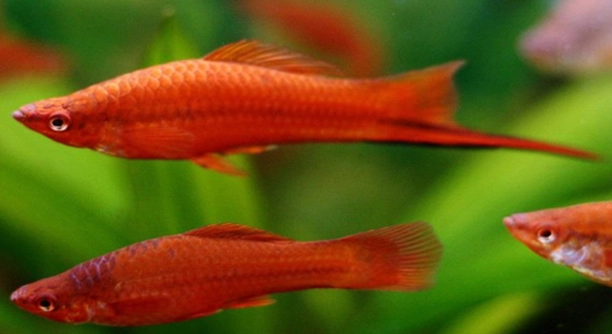
Swordtails are known for their lively personalities and distinct behaviors, making them popular in aquariums. However, a sudden change in their habits, like avoiding their favorite spot, can raise concern for any fishkeeper.
The most common reason swordtails avoid their favorite spot is environmental stress. This stress can stem from factors like water quality, temperature fluctuations, or new tank mates. Stressors can cause swordtails to retreat and behave unusually.
Understanding the factors at play can help restore balance in your tank, ensuring your swordtails feel comfortable again.
Why Do Swordtails Avoid Their Favorite Spot?
Swordtails are often seen darting around the tank, especially near their favorite resting spots. When they begin to avoid these places, it usually indicates something is off in their environment. Factors such as water quality, tank size, or the presence of new tank mates can contribute to this behavior. Swordtails, like other fish, are sensitive to changes in their surroundings. Small fluctuations in water temperature, pH, or even sudden noises can create a stressful atmosphere. It’s essential to assess the tank conditions regularly to prevent unnecessary stress. A calm and balanced environment is key to keeping swordtails comfortable and happy.
If your swordtail seems unsettled, it’s worth checking the water parameters and ensuring that there are no aggressive tank mates. Swordtails are typically peaceful, but they may feel threatened if there’s any disruption.
Adjustments to water conditions can go a long way in restoring your swordtail’s confidence. They tend to thrive in stable environments, so minimizing stress is essential. Taking small steps to improve water quality and introduce peaceful tank mates will help them feel secure again.
Water Quality and Its Impact on Swordtails
Water quality is a major factor in how swordtails behave. Poor water conditions can cause them to seek refuge from their usual spots. High levels of ammonia, nitrites, or nitrates are harmful and can cause stress. Regular water changes and testing water parameters are essential to ensure swordtails feel safe and comfortable.
Swordtails prefer water that is slightly alkaline with a temperature between 72–79°F (22–26°C). When these parameters are off, swordtails can become lethargic or avoid their usual spots. Filtration also plays a key role in maintaining water quality. Ensuring your filtration system is working properly is crucial to maintaining a stable and clean environment for the fish.
Ammonia and nitrite spikes can be deadly to fish. If your swordtails are avoiding their usual spot, check the levels of these chemicals. Use an aquarium test kit to measure the water’s parameters regularly and perform water changes as necessary. Clean water helps swordtails maintain their natural behavior and feel secure in their environment.
The Role of Tank Mates
Tank mates play a significant role in your swordtail’s comfort. Aggressive or overly active fish may stress out swordtails, making them avoid certain areas. Swordtails are peaceful by nature and need compatible tank mates to thrive. It’s important to choose fish that share similar temperament and water needs.
Aggressive species, such as cichlids or larger fish, may intimidate swordtails. They may feel the need to hide from these fish to avoid being harassed. This can lead to the swordtail avoiding its favorite spots and hiding in other areas of the tank. It’s essential to monitor interactions between tank mates regularly.
A good rule of thumb is to keep swordtails with other peaceful species that don’t outcompete them for space or food. Ideal tank mates include other livebearers, like guppies or platies, as well as peaceful bottom dwellers. This can help reduce stress and allow swordtails to feel more comfortable in their environment.
Tank Size and Overcrowding
Overcrowding can lead to stress in swordtails. When there are too many fish in a tank, swordtails may feel confined and uncomfortable. They may avoid their usual spots as they try to find a space where they feel safer. Maintaining proper stocking levels is key to keeping them happy.
Swordtails need at least 20 gallons of water for a small group. Smaller tanks can quickly become overcrowded, especially with active fish like swordtails. If your tank is too small, your swordtails may try to escape their favorite spot to avoid the crowd.
Temperature Fluctuations
Swordtails are sensitive to temperature changes. Sudden drops or rises in water temperature can lead to stress. This makes them more likely to avoid their favorite spots, as they try to find a stable area. Maintaining a steady temperature is crucial for swordtail comfort.
To avoid temperature-related stress, invest in a reliable aquarium heater and thermometer. Swordtails prefer water temperatures between 72–79°F. If the temperature fluctuates too much, swordtails may seek shelter. A steady temperature ensures they feel secure and can enjoy their usual resting places.
Presence of New Tank Decor
Adding new decorations or changing the layout of your tank can cause stress to swordtails. They rely on their familiar environment for comfort, and when this changes, it can lead them to avoid their favorite spots. It’s best to rearrange decorations slowly to avoid this issue.
New items, especially large structures, can block their usual hiding spots or create territories they don’t like. Swordtails will often shy away from unfamiliar objects in the tank. Gradually introducing new decor allows them to adjust without feeling overwhelmed. Keep their environment stable to reduce stress.
FAQ
Why are my swordtails hiding more than usual?
Swordtails may hide when they feel stressed or threatened. This could be due to poor water conditions, aggressive tank mates, or environmental changes. When swordtails feel unsafe, they will avoid open spaces and retreat to hidden areas. Regular water checks, adding peaceful tank mates, and providing plenty of hiding spots can help alleviate this behavior.
Can swordtails be stressed by too much light?
Yes, swordtails can get stressed by too much light. Bright, constant lighting can make them feel exposed and vulnerable, causing them to hide. They prefer a moderate light level with some periods of dimmer light or natural darkness to rest. A consistent light cycle of 10-12 hours a day is ideal.
How can I tell if my swordtail is sick?
If your swordtail is acting differently, such as avoiding their usual spots, it may be sick. Common signs include loss of appetite, abnormal swimming patterns, fading color, or visible lesions. It’s essential to monitor their behavior closely and check water parameters. If sickness persists, consider consulting a veterinarian or aquatic expert.
Can I add more swordtails to my tank?
Adding more swordtails to your tank is possible, but you need to ensure the tank is large enough. Swordtails are active fish that require space. A 20-gallon tank can comfortably house 3-4 swordtails, but overcrowding can lead to stress and aggression. Always check the water conditions before adding new fish to prevent water quality issues.
Are swordtails sensitive to water pH changes?
Swordtails prefer a slightly alkaline pH level between 7.0 and 8.0. Rapid pH changes can stress them, leading to abnormal behavior or even illness. Consistent water testing and gradual adjustments are key when altering pH levels to avoid shocking the fish. A stable pH level helps maintain their health and well-being.
What should I do if my swordtail is constantly swimming near the top?
If your swordtail is swimming near the surface more than usual, it could be a sign of low oxygen levels, water pollution, or illness. It’s important to test the water for ammonia, nitrates, and oxygen levels. If water quality is good, consider adding a filter or aerator to increase oxygen circulation.
Why is my swordtail not eating?
If your swordtail isn’t eating, it could be due to stress, illness, or water conditions. Stress factors like aggressive tank mates, overcrowding, or improper water temperature can cause a loss of appetite. Ensure the tank is clean and the water parameters are ideal. If the behavior continues, check for signs of illness.
How do I improve the water quality for my swordtails?
To improve water quality, perform regular water changes of about 25% each week. Test the water for ammonia, nitrites, and nitrates, and ensure they are within safe levels. Install a high-quality filter to remove waste and debris. Maintaining good water quality is crucial for your swordtail’s overall health.
Can swordtails live with other fish?
Swordtails are generally peaceful and can live with other species that have similar water requirements. Avoid aggressive or territorial fish, as these can cause stress for swordtails. Good tank mates include other livebearers like guppies and platies, as well as peaceful bottom dwellers.
Do swordtails need a heater?
Yes, swordtails need a heater to maintain a stable water temperature between 72-79°F. Temperature fluctuations can stress them, causing them to avoid certain spots or act lethargic. A reliable aquarium heater ensures the water stays within the ideal range, promoting healthy and active swordtail behavior.
Why are my swordtails swimming in circles?
If your swordtails are swimming in circles, it could indicate a few things, including stress, illness, or poor water quality. Check the water parameters and look for signs of disease. If the behavior continues, consider consulting an expert, as persistent circular swimming can also be a symptom of swim bladder issues.
How long do swordtails live?
Swordtails typically live 3-5 years in captivity, but their lifespan can vary based on water conditions, diet, and overall care. Maintaining a clean tank with stable water parameters and offering a balanced diet can help swordtails live a long and healthy life. Regular monitoring is key to their well-being.
What do swordtails eat?
Swordtails are omnivores and will eat a variety of foods. A balanced diet should include high-quality flake food, frozen or live foods like brine shrimp and daphnia, and plant matter such as algae and aquatic plants. Offer a varied diet to ensure they receive the proper nutrition for growth and health.
Can swordtails tolerate colder water?
Swordtails are not cold-water fish and should be kept in water temperatures between 72-79°F. If the water is too cold, they may become lethargic, stop eating, or even become ill. Always maintain a stable temperature within this range to ensure their comfort and health.
Why are my swordtails chasing each other?
Swordtails are naturally social but can become territorial, especially in small tanks. Males may chase females to mate, or males may compete with each other for space or food. If the chasing becomes too aggressive, consider adding more hiding spots or rearranging the tank to reduce territorial behavior.
Do swordtails need a lot of space?
Swordtails are active fish that need plenty of swimming space. A minimum tank size of 20 gallons is recommended for a small group of swordtails. Overcrowding can cause stress and make them avoid their favorite spots. Providing sufficient space allows swordtails to swim freely and behave naturally.
Final Thoughts
Swordtails are resilient fish, but like all aquarium species, they have specific needs to thrive. When they start avoiding their favorite spots, it’s essential to examine their environment and habits. Stress, illness, water quality, and tank mates can all influence their behavior. By understanding these factors and addressing any issues, you can help your swordtails feel more comfortable and secure in their habitat.
Regular tank maintenance is key to ensuring swordtails remain healthy. Keep the water clean and at a stable temperature, and monitor the tank’s pH and ammonia levels. Overcrowding can also be a common issue, so be mindful of the number of fish in the tank. Swordtails need space to swim and rest, and having a proper-sized tank will reduce the chances of stress. Avoid making sudden changes to the tank layout or adding too many new decorations at once, as these actions can create a sense of instability.
Finally, be patient and observant. Swordtails are social and active fish, but they can be sensitive to changes in their environment. With proper care, attention to water quality, and a peaceful tank setup, swordtails can return to their usual behavior and continue to thrive. By addressing the possible causes of stress and providing a stable, healthy environment, you will ensure your swordtails have the best chance for long-term happiness in your aquarium.

Hello,
If you enjoy the content that we create, please consider saying a "Thank You!" by leaving a tip.
Every little bit helps us continue crafting quality advice that supports the health, happiness, and well-being of pets around the world, for pets of all shapes, sizes, and species.
We really appreciate the kindness and support that you show us!