
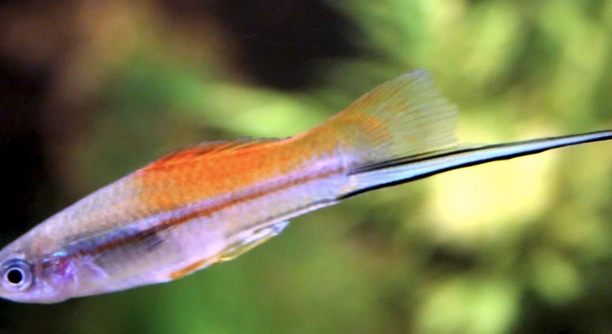
Are your swordtails struggling to adjust to certain tank accessories? Understanding their needs and preferences can make a big difference in their well-being. Let’s look at some common accessories that may cause confusion for these popular aquarium fish.
Swordtails are sensitive to changes in their environment, and some tank accessories can cause stress or discomfort. Items like overly bright decorations, complex filtration systems, or mismatched tank mates can lead to behavioral issues, affecting their overall health.
Taking the time to understand how these accessories impact your swordtails will ensure a happier and healthier aquarium. By considering their natural behaviors and preferences, you can make the necessary adjustments for their comfort.
Overly Bright Decorations
Brightly colored or flashy decorations are often appealing to us as aquarium owners, but swordtails find them overwhelming. Swordtails are naturally attracted to calmer environments with dim lighting, as it mimics their natural habitat. When placed in a tank with overly bright decorations, swordtails may become stressed, hiding more often or even exhibiting unusual swimming patterns. They can also struggle to adjust to lighting changes, particularly if the tank is subjected to harsh artificial lighting for extended periods.
Reducing the brightness of tank decorations or using more neutral-colored items can help swordtails feel more at ease. Swordtails prefer environments that mimic their natural habitat, where lighting is softer and less intense. Keeping decorations simple and using plants or muted colors can enhance their comfort and behavior.
To avoid causing distress, opt for decorations that are more in tune with their natural surroundings. Consider adding live plants or natural-looking rocks to create a calming environment. This allows swordtails to feel secure and maintain healthy behaviors, including feeding and swimming freely.
Mismatched Tank Mates
Swordtails are peaceful fish, but they do require tank mates that suit their temperament. When paired with overly aggressive or territorial fish, swordtails can experience stress. This may lead to them hiding more often or even becoming less active. It’s essential to choose peaceful companions, ensuring a balanced ecosystem in the tank. Fish like guppies, mollies, or tetras are good options.
Tank mates should not compete too aggressively for space or food. Swordtails thrive best when surrounded by other non-aggressive species that share similar needs. Overcrowding the tank can also lead to tension, as fish become territorial.
When selecting tank mates, always consider their size and activity level. Swordtails do well with species that do not overpower them in terms of aggression or space requirements. This peaceful arrangement can make your swordtails feel secure and happy, reducing unnecessary stress.
Complex Filtration Systems
Swordtails are not fans of overly strong currents. While filtration is essential for a healthy tank, too powerful a filter can create stressful conditions. Swordtails prefer a calmer environment where they can swim without fighting against strong water flow. Using a filter that offers adjustable flow will allow you to control the intensity to suit their needs.
When selecting a filtration system, aim for one with adjustable settings so you can tailor the flow to your tank’s requirements. Swordtails thrive in water with gentle movement, which ensures they have enough space to swim comfortably. A moderate filter will help maintain water quality without creating a turbulent environment.
Consider a sponge filter or a low-flow hang-on-back filter if you’re concerned about too much current. These options provide adequate filtration without causing stress. A gentle filter will not only keep your swordtails at ease but also contribute to the overall stability of the tank’s ecosystem.
Inadequate Hiding Spaces
Swordtails feel safest in tanks where they have plenty of hiding spaces to retreat to. Without adequate hiding spots, they may become stressed and anxious, particularly if they are kept with more dominant or active tank mates. Adding plants, rocks, or caves can create safe zones where swordtails can escape when they need to rest.
Providing hiding places also encourages natural behavior. Swordtails are more likely to explore and interact with their tank mates when they feel secure. These hiding spots give them a sense of safety and help reduce stress levels, improving their overall health. Swordtails will use these spaces to retreat if they feel threatened or overwhelmed.
Make sure the hiding spots are easily accessible and offer enough room for your swordtails to move around freely. Well-placed plants or rocks provide shelter without blocking too much swimming space. The goal is to create a balanced environment where swordtails can feel secure yet still have room to interact with the rest of the tank.
Overcrowding the Tank
Swordtails need space to swim freely, and overcrowding can lead to stress. When there are too many fish in the tank, swordtails may feel restricted and become more aggressive. Overcrowding also makes it harder to maintain water quality, which can negatively affect your swordtails’ health.
Maintaining a good balance of fish per gallon is essential for swordtails’ well-being. For a 10-gallon tank, a small group of 3 to 4 swordtails is ideal. Overcrowding increases the risk of disease and makes it harder for swordtails to establish territories. By ensuring enough space, you help prevent these issues.
A well-balanced tank provides a sense of security for your swordtails, allowing them to thrive in a calm, spacious environment. Make sure to monitor the population and avoid adding too many fish, especially with other species. Keeping a manageable number of fish promotes harmony and good health.
Subpar Water Quality
Swordtails are sensitive to water conditions, and poor water quality can lead to stress and illness. Regular water changes and monitoring water parameters like pH, ammonia, nitrites, and nitrates are essential for keeping swordtails happy and healthy. Unclean water can irritate their skin and gills.
Maintaining optimal water quality is essential for swordtails’ overall well-being. Test your tank water regularly to ensure the pH is stable, and that ammonia and nitrites are at safe levels. Swordtails can tolerate a wide range of water parameters but require clean water to thrive. Water changes should be done weekly or biweekly.
Proper filtration helps maintain water quality, but regular maintenance and water testing are essential. Using a water conditioner to remove chlorine and chloramine will also benefit your swordtails, preventing harm to their delicate gills. Healthy water conditions create a better environment for them to grow and reproduce.
Sharp Decorations
Swordtails prefer smooth decorations to avoid injury. Sharp or rough edges in the tank can cause scratches or cuts, leading to stress and possible infection. Always check your tank decorations to ensure they are safe for your fish to interact with.
If sharp decorations are present, consider replacing them with smoother alternatives, such as rounded rocks or plastic plants. These safer options will not only prevent injuries but also offer your swordtails a more comfortable environment to swim and rest. Swordtails will be much happier without the threat of sharp edges.
FAQ
Why are my swordtails hiding all the time?
Swordtails may hide when they are stressed or feel unsafe. Factors such as overly bright lighting, aggressive tank mates, or a lack of hiding spots can cause them to retreat. They are naturally cautious fish, and they may hide more when their environment feels threatening. Ensure your tank has places for them to retreat, like plants or rocks. Reducing the light intensity and choosing peaceful tank mates can help your swordtails feel more secure, encouraging them to spend more time swimming and less time hiding.
Can swordtails live with other fish?
Yes, swordtails are generally peaceful and can live with other fish. However, they should be kept with species that are not overly aggressive or territorial. Good tank mates include guppies, mollies, and tetras. Avoid species like bettas or larger cichlids, which may harass your swordtails. Ensure that the tank is not overcrowded, as swordtails require adequate space to swim and feel comfortable. Having compatible tank mates reduces stress and promotes a peaceful tank environment for your swordtails.
How often should I feed my swordtails?
Swordtails should be fed small amounts of food once or twice a day. Overfeeding can lead to water quality issues and health problems like obesity. Offering a variety of food, such as flakes, pellets, and occasional live or frozen foods like brine shrimp, helps keep them healthy. Be sure to remove any uneaten food after a few minutes to prevent it from decaying and affecting water quality. Maintaining a consistent feeding schedule with controlled portions ensures your swordtails receive the right nutrients without overfeeding.
What type of water is best for swordtails?
Swordtails thrive in slightly alkaline water with a pH range of 7.0 to 8.2. The water temperature should be between 72°F and 82°F (22°C to 28°C). They also prefer soft to moderately hard water. Regular water changes are necessary to keep the water clean and healthy for swordtails. You should test the water frequently to monitor the pH, ammonia, nitrites, and nitrates, ensuring they are within safe levels. Swordtails are fairly adaptable, but they need stable water conditions to avoid stress and health issues.
Do swordtails need a heater?
Yes, swordtails benefit from a heater to maintain a stable water temperature. They are tropical fish, and fluctuations in temperature can cause stress and weaken their immune system. A reliable aquarium heater helps keep the water within the ideal range of 72°F to 82°F (22°C to 28°C), promoting optimal health and behavior. Make sure to use a heater with a thermostat to prevent temperature spikes or drops. Consistency in water temperature is essential for swordtails to thrive.
How long do swordtails live?
Swordtails can live for up to 3 to 5 years in a well-maintained aquarium. Their lifespan depends on various factors, including water quality, diet, and tank conditions. Swordtails that are kept in stable, stress-free environments with proper care tend to live longer. Regular water changes, a balanced diet, and compatible tank mates all contribute to the longevity of your swordtails. Monitoring their health and making necessary adjustments to their environment will help them live a full, healthy life.
Do swordtails need live plants in their tank?
While swordtails do not require live plants, they benefit from having them in their tank. Live plants provide hiding places, reduce stress, and help maintain water quality by absorbing excess nutrients. Plants also help oxygenate the water and provide a natural environment for swordtails. Fast-growing plants like java moss or hornwort are excellent options. If live plants are not an option, plastic plants can be used as substitutes, though they don’t offer the same water benefits as live plants.
Why do my swordtails have faded colors?
Fading colors in swordtails can be a sign of stress, poor water conditions, or an improper diet. Stressors like incompatible tank mates, overcrowding, or inadequate hiding spots can cause swordtails to lose their vibrant color. Poor water quality, such as high levels of ammonia or nitrates, can also lead to color loss. Ensure your tank is well-maintained, with regular water changes and proper filtration. A varied diet with quality flakes, pellets, and occasional live food can also help maintain their color.
How can I breed swordtails?
Breeding swordtails is relatively easy, as they are livebearers. The male swordtail will court the female by displaying his sword and swimming around her. Once the female is ready, she will give birth to live young. To increase the chances of successful breeding, ensure the female is well-fed and the water conditions are optimal. It’s helpful to provide plenty of hiding places for the fry, as adult swordtails may eat them. Keep the temperature slightly warmer, around 78°F (25°C), to encourage breeding. Once the fry are born, you can transfer them to a separate tank to protect them from being eaten.
Can swordtails live in a tank without a filter?
While it is possible for swordtails to survive in a tank without a filter, it is not recommended. A filter helps maintain water quality by removing debris, toxins, and excess nutrients. Without a filter, waste will accumulate quickly, leading to poor water quality and potentially harmful levels of ammonia and nitrates. If you choose not to use a filter, you’ll need to perform more frequent water changes to keep the water clean and safe for your swordtails. It’s always best to have a filtration system to ensure a healthier and more stable environment.
Final Thoughts
Taking care of swordtails can be a rewarding experience when you understand their needs and provide the right environment. They are relatively easy to care for but do require attention to detail. Keeping their water quality stable, providing adequate space, and ensuring proper tank mates will help swordtails thrive. When you meet their basic needs, they will become vibrant, active, and healthy additions to your aquarium. It is important to monitor their health regularly and be proactive in maintaining the aquarium’s conditions.
Creating a peaceful and safe environment for your swordtails involves more than just keeping the water clean. Pay attention to their social interactions with other fish in the tank, as stress from bullying or overcrowding can lead to health issues. Swordtails do well in a community tank when given the right companions. They are peaceful by nature but can become stressed when kept with overly aggressive or territorial species. Adding enough plants, decorations, and hiding spaces can provide them with comfort and security, encouraging more natural behavior.
In conclusion, swordtails are beautiful, low-maintenance fish that make great aquarium companions. By focusing on their specific care requirements and understanding their behavior, you can ensure they live long, healthy lives in your tank. Whether you’re new to fishkeeping or have some experience, swordtails are a great choice for anyone who wants to add color and life to their aquarium. By following these guidelines, you can build an environment that supports their needs and enjoy the lively presence they bring to your tank.

Hello,
If you enjoy the content that we create, please consider saying a "Thank You!" by leaving a tip.
Every little bit helps us continue crafting quality advice that supports the health, happiness, and well-being of pets around the world, for pets of all shapes, sizes, and species.
We really appreciate the kindness and support that you show us!