
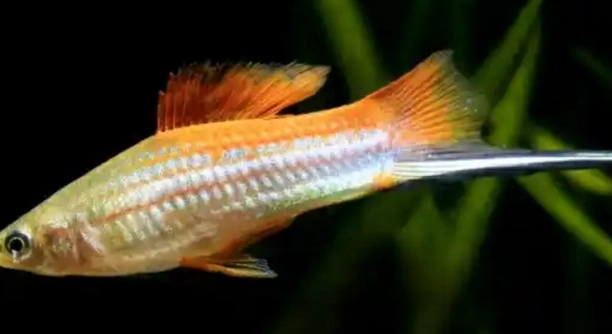
Swordtails are fascinating fish, but sometimes their behavior can leave you scratching your head. One such behavior is the constant movement of their mouths. Understanding why this happens is important for their care and well-being.
The constant mouth movement in swordtails is often linked to their natural breathing behavior or feeding habits. Swordtails, like many fish, have gills and will move their mouths frequently to intake water for oxygen exchange.
There are also other reasons why swordtails might display this behavior. Exploring these factors can help you ensure your swordtail remains healthy and happy.
Why Do Swordtails Move Their Mouths So Much?
Swordtails are naturally active fish, and their constant mouth movement is often a normal part of their daily life. These fish tend to keep their mouths moving to catch food, explore their surroundings, or simply breathe. When swordtails swim around, they tend to move their mouths in a rhythmic manner, which is usually nothing to worry about. It’s just part of their usual behavior. However, if you notice excessive or unusual mouth movement, it’s worth checking the environment for any changes. Stress or water quality can impact their natural behavior.
Swordtails need a constant flow of oxygen to survive, and moving their mouths helps with that. They don’t breathe air in the same way humans do, instead, they rely on water passing over their gills to extract oxygen. This is why you might see their mouths constantly opening and closing, especially when they are swimming.
In addition to breathing, swordtails might also move their mouths to search for food. These fish are opportunistic feeders and will actively hunt small particles in the water. Even when they aren’t actively feeding, they will often continue to move their mouths out of habit, thinking food is nearby. If your swordtail is particularly energetic, the constant mouth movement could be more noticeable.
Is My Swordtail Stressed?
If the mouth movement seems excessive, stress could be a factor. Stress can cause your swordtail to behave differently.
Stress can be caused by many factors, including poor water quality, overcrowding, or temperature fluctuations. Swordtails are sensitive to changes in their environment, and a stressed fish may display abnormal mouth movements. This could include faster or more erratic mouth movement as they try to cope with the discomfort. If you notice this behavior along with other signs of distress, it’s important to check the water parameters, remove any potential stressors, and make sure your swordtail has a calm, clean environment. When water conditions are ideal, swordtails are much more likely to behave naturally. Ensuring that they have enough space and are not competing for food or hiding spots is crucial for reducing stress.
Is It Related to Their Feeding Habits?
Swordtails are naturally opportunistic feeders. Their constant mouth movement might be due to their instinct to search for food.
These fish often move their mouths even when food is not present, simply because they are accustomed to eating frequently throughout the day. Swordtails are not picky eaters and will actively hunt for small food particles, often moving their mouths as they search. It’s normal for them to exhibit this behavior, especially in a well-stocked tank where food is readily available. If your swordtail is consistently moving its mouth, it may just be on the lookout for its next meal.
While the behavior can be linked to feeding, it’s essential to provide a balanced diet to avoid overfeeding. Swordtails can become overly excited when they see food, which can make them seem even more active and mouthy. Overfeeding can lead to water quality issues, which may, in turn, cause stress and exacerbate the mouth movement.
Is the Water Quality Causing the Movement?
Swordtails can be sensitive to changes in water quality. Poor conditions might increase mouth movement due to stress.
Water quality plays a significant role in the health of swordtails. If the water is too warm, too cold, or has high levels of ammonia or nitrites, swordtails may show signs of discomfort. A common reaction to poor water quality is an increase in mouth movement as the fish struggles to get enough oxygen. When this happens, it’s crucial to check the tank’s parameters, including pH, ammonia, nitrite, and nitrate levels. Using a good water testing kit can help you understand if your swordtail is struggling due to water issues.
Maintaining a clean tank and ensuring proper filtration will not only help with oxygen levels but also reduce stress on your fish. Regular water changes are key to keeping the water in ideal condition. You may also want to keep an eye on your swordtail’s behavior after a water change, as some fish may take time to adjust to a newly cleaned environment.
Could It Be a Sign of Illness?
Swordtails may move their mouths more than usual if they are feeling unwell. Illness can cause abnormal behaviors.
If you notice excessive mouth movement along with other signs such as lethargy, loss of appetite, or discoloration, it could be an indication of illness. Swordtails are prone to certain diseases like mouth fungus or parasites that can cause them to move their mouths more frequently. If you suspect illness, it’s essential to quarantine the fish and monitor it closely for any additional symptoms.
Infections can make it difficult for swordtails to breathe properly, leading to more pronounced mouth movement. Addressing health issues early by treating with appropriate medications is crucial to preventing further complications. Regularly checking your swordtail for signs of distress or injury can help you catch problems before they worsen.
Can Stress Cause This Behavior?
Stress is a significant factor in why swordtails might constantly move their mouths. A stressed fish may display abnormal behavior.
Swordtails can easily become stressed from a variety of factors. Overcrowding, incompatible tankmates, or sudden changes in their environment can make them anxious. When under stress, swordtails may open and close their mouths rapidly in an attempt to get more oxygen or simply because they are nervous. Maintaining a calm, stable environment is essential to reduce stress levels. A peaceful aquarium setup, with the right water temperature and minimal disturbances, can help swordtails feel more at ease and minimize erratic mouth movements.
Is Your Swordtail Overcrowded?
Overcrowding can lead to constant mouth movement, as swordtails may struggle to find space.
Swordtails require a certain amount of space to swim freely. When too many fish are placed in a small tank, it can lead to stress and competition for food, oxygen, and space. Swordtails might move their mouths more when overcrowded, trying to get more air or food. Ensure that your tank size is adequate for the number of fish you keep, and always provide plenty of hiding spots to reduce stress and allow the fish to feel secure. Overcrowding not only causes mouth movement but can also result in other health problems.
FAQ
Why does my swordtail move its mouth so much?
Swordtails move their mouths frequently to breathe and feed. It’s a natural behavior for these fish to open and close their mouths as they take in water to extract oxygen through their gills. This movement may also be linked to their search for food, as they are opportunistic feeders. Even when they aren’t actively eating, swordtails may continue to move their mouths in anticipation of food. It’s generally a normal behavior unless there are signs of distress or illness, in which case it’s important to assess the water quality or check for other symptoms.
Is mouth movement in swordtails always a sign of a problem?
Not necessarily. Swordtails often move their mouths as part of normal behavior, particularly when swimming or searching for food. However, if the mouth movement is excessive, accompanied by other signs of illness or stress, it might indicate a problem. Pay attention to other behaviors such as lethargy, loss of appetite, or abnormal swimming patterns. If your swordtail shows these signs, it’s important to check the water conditions and look for any visible signs of illness like lesions, bloating, or discoloration.
Can poor water quality cause my swordtail to move its mouth more?
Yes, poor water quality can lead to increased mouth movement in swordtails. When the water has high levels of toxins like ammonia or nitrites, swordtails may struggle to get enough oxygen, leading them to move their mouths more. It’s essential to maintain proper water conditions by regularly checking the pH, temperature, and toxin levels. Clean water helps swordtails breathe easily and reduces the likelihood of stress, which can cause abnormal mouth movement. Keeping the tank well-filtered and performing regular water changes can help prevent this.
How can I reduce stress in my swordtail and stop excessive mouth movement?
Stress can lead to excessive mouth movement in swordtails. Common causes of stress include poor water quality, overcrowding, incompatible tankmates, or sudden changes in their environment. To reduce stress, make sure your swordtail has a clean and stable environment with the correct water temperature and parameters. Avoid overcrowding the tank and ensure there are enough hiding spots and swimming space for your swordtail. Adding tankmates that are peaceful and compatible will also help minimize stress. If you suspect that stress is the cause, try adjusting the tank setup to make your swordtail feel more secure.
What diseases can cause swordtails to move their mouths excessively?
Several diseases can cause swordtails to move their mouths excessively. Mouth fungus, for example, can affect their ability to breathe, leading to increased mouth movement as they try to get more oxygen. Parasites such as gill flukes or internal infections can also cause swordtails to exhibit abnormal mouth movements. If you notice other signs like loss of appetite, changes in behavior, or visible lesions, it’s important to treat the illness promptly. A good practice is to quarantine sick fish and administer the appropriate treatment based on the type of infection.
Can my swordtail’s mouth movement be caused by poor feeding habits?
Overfeeding or underfeeding can sometimes contribute to abnormal behavior, including increased mouth movement. Swordtails will actively search for food, and if they’re constantly looking for something to eat, they might appear to move their mouths more than usual. Feeding them the right amount of food is important for their overall health and behavior. Too much food can lead to water quality issues, while too little food might cause the fish to search constantly, which could result in excessive mouth movement. Offering small, frequent meals can help keep your swordtail from becoming overly hungry or overfed.
What should I do if my swordtail’s mouth movement continues despite ideal conditions?
If your swordtail’s mouth movement continues despite optimal water quality, proper feeding, and a stress-free environment, it’s time to consider other possibilities. If the behavior persists, you might want to check for hidden illnesses or parasites that aren’t immediately visible. Sometimes, mouth movement can be related to underlying health issues that require professional treatment. If you’re unsure, consider consulting with an aquatic veterinarian or a knowledgeable pet store expert. Regular monitoring of the swordtail’s behavior and physical condition is crucial to catching any problems early.
How often should I clean my swordtail’s tank to prevent mouth movement due to water quality?
To keep your swordtail’s environment healthy, it’s important to clean the tank regularly. A good rule of thumb is to perform partial water changes once a week, removing about 25-30% of the water. Additionally, check the water parameters regularly using a testing kit to ensure that the pH, ammonia, nitrite, and nitrate levels are within the safe range for swordtails. A properly maintained filtration system will help keep the water clean and reduce the buildup of harmful toxins. Keeping the tank free of waste and uneaten food will help your swordtail maintain normal, healthy behaviors.
Final Thoughts
Understanding why your swordtail is constantly moving its mouth can help ensure that it remains healthy and comfortable in its environment. For the most part, this behavior is completely natural. Swordtails, like many fish, rely on mouth movement to breathe and to search for food. Their mouths open and close to take in water, which passes over their gills to extract oxygen. This is how they “breathe” in the water, and it’s a normal part of their daily activity. If your swordtail is swimming around and moving its mouth, it’s likely just going about its usual business.
However, there are times when constant mouth movement might signal an underlying issue. Stress is one of the most common reasons why a swordtail might behave differently than usual. Poor water quality, overcrowding, or incompatible tankmates can cause stress in your fish, which may result in more noticeable or exaggerated mouth movement. In these cases, improving the water conditions, ensuring there’s enough space in the tank, and making sure your swordtail is in a peaceful environment can help reduce stress. Regular water changes and proper filtration are key to keeping your swordtail’s environment healthy.
If you notice other symptoms, such as a change in color, a loss of appetite, or lethargy, it may be time to investigate further. Illnesses like mouth fungus or parasites can also cause abnormal mouth movement. If you suspect a health issue, treating the fish with the appropriate medication or seeking advice from an expert can help. In general, it’s important to pay attention to any changes in behavior and act quickly if something seems off. With proper care and attention to water quality, your swordtail should be able to live a happy and healthy life.

Hello,
If you enjoy the content that we create, please consider saying a "Thank You!" by leaving a tip.
Every little bit helps us continue crafting quality advice that supports the health, happiness, and well-being of pets around the world, for pets of all shapes, sizes, and species.
We really appreciate the kindness and support that you show us!