
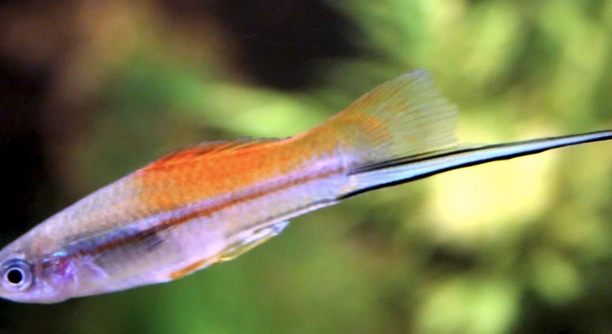
Swordtails are lively and beautiful fish, popular among aquarists for their colorful appearance and easy care. But even the most experienced hobbyists can make mistakes when caring for these active swimmers. It’s easy to overlook small details that can affect their well-being.
The most common swordtail care mistakes involve overfeeding, incorrect water conditions, improper tank mates, and neglecting regular maintenance. These factors can lead to stress, illness, and even early death for your fish if not addressed properly.
Understanding these issues will help you provide a healthier, happier environment for your swordtails. Keep reading to discover the mistakes you might be making and how to fix them.
Overfeeding Swordtails: A Hidden Danger
Overfeeding is one of the most common mistakes swordtail owners make. It might seem harmless, but giving them too much food can lead to poor water quality and health problems. Swordtails can be quite eager when food is introduced to the tank, and it’s easy to fall into the habit of feeding them more than necessary. This can cause uneaten food to sink and rot, increasing harmful toxins in the water.
If you notice excess food at the bottom of your tank, it’s a sign that you’re feeding too much. Swordtails should only be fed once or twice a day with a small amount of food they can consume in a few minutes. Overfeeding leads to an environment that promotes algae growth, which can further harm both your fish and their tank.
A consistent feeding schedule and portion control can prevent overfeeding and keep the water quality in check. Additionally, cleaning the tank regularly to remove uneaten food will help maintain a healthy aquatic environment. Always remember that it’s better to feed less than too much, ensuring your swordtails live long and healthy lives.
Water Quality Issues
Water quality plays a key role in the health of your swordtails. If the water conditions aren’t right, your fish can become stressed or sick quickly. This includes the pH level, temperature, and ammonia content.
Test the water frequently to ensure it falls within the ideal range for swordtails. Keeping it stable helps prevent health issues such as skin irritation or breathing problems. Proper filtration and regular water changes are essential to maintaining a balanced tank.
Incorrect Tank Mates for Swordtails
Choosing the wrong tank mates is another mistake that many swordtail owners overlook. Swordtails are generally peaceful, but they can become stressed if housed with overly aggressive or territorial fish. This stress can lead to health issues like fin damage or a weakened immune system.
When selecting tank mates, aim for peaceful species of a similar size. Avoid aggressive fish like cichlids or fast-moving species that might outcompete swordtails for food. A peaceful community tank with plenty of space for everyone will help your swordtails thrive. Fish that share similar water conditions and temperament are always a good choice.
Some good tank mates for swordtails include guppies, mollies, and peaceful tetras. These species won’t bully or overcrowd the swordtails, and they’ll coexist peacefully. Also, ensure your swordtails have plenty of hiding spots in the tank. Even though they’re peaceful, they still appreciate a little bit of privacy to reduce stress.
Neglecting Regular Tank Maintenance
Failing to perform regular maintenance on your tank can result in a build-up of waste, algae, and harmful bacteria. This leads to poor water quality and stressed fish. Regular tank cleaning is vital for swordtail health, ensuring that both the tank and the water stay clean and fresh.
You should aim to clean your tank at least once a week. This includes removing debris, cleaning the filter, and performing a partial water change. Skipping this routine can quickly lead to deteriorating water conditions, which make swordtails more susceptible to disease. Keeping the tank clean helps maintain stable water conditions that swordtails need to thrive.
Another aspect to consider is checking the filter’s functionality. A clogged or malfunctioning filter can cause poor water flow, which stresses fish and decreases oxygen levels. Regular maintenance will ensure your filter is running optimally, which helps keep your swordtails healthy and happy.
Ignoring Swordtail Tank Size
Swordtails need space to swim and explore. Keeping them in a tank that’s too small can cause stress and even stunt their growth. A small tank doesn’t provide enough room for them to establish territory or get proper exercise.
For one or two swordtails, a tank of at least 20 gallons is ideal. If you plan to add more fish, you’ll need a larger tank to accommodate everyone comfortably. Overcrowding can lead to increased aggression and poor water quality, both of which can harm your swordtails.
Having enough swimming space helps reduce stress and allows your swordtails to live healthier lives. A larger tank also makes it easier to maintain stable water conditions.
Overlooking Temperature Needs
Swordtails prefer a water temperature between 72°F and 82°F. Ignoring these temperature preferences can lead to stress, sickness, and even death.
A reliable heater is necessary to maintain the correct water temperature. Temperature fluctuations can weaken your swordtails’ immune systems, leaving them more vulnerable to disease. Regularly check the temperature to ensure it’s within the safe range.
Poor Lighting Conditions
Swordtails require a consistent day/night cycle for optimal health. Too much or too little light can disrupt their behavior and affect their immune system.
Make sure your tank has proper lighting that mimics natural sunlight. Avoid keeping your tank in direct sunlight, as this can cause temperature fluctuations and excessive algae growth. A good aquarium light will promote a healthy environment for your swordtails to thrive.
FAQ
How often should I feed my swordtails?
Swordtails should be fed once or twice a day. Offer only as much food as they can eat in a few minutes. Overfeeding can lead to poor water quality and health issues. If there’s leftover food in the tank, it’s a sign that you’ve given too much.
The best approach is to feed small portions, monitor how much they consume, and adjust accordingly. Swordtails are eager eaters, so it’s easy to overfeed them unintentionally. They don’t need to be fed large amounts at once, as they can easily go a few hours without food.
What is the ideal tank size for swordtails?
The minimum recommended tank size for swordtails is 20 gallons for a small group. A larger tank provides more space for swimming and reduces the chances of stress. Swordtails are active fish, and having plenty of room is important for their health.
If you plan to add more fish to the tank, ensure the size increases accordingly. Overcrowding can lead to territorial disputes and deteriorating water conditions, which harms the swordtails and other inhabitants. Always allow a minimum of 10 gallons per additional swordtail.
Can swordtails live with other fish?
Yes, swordtails can live with other peaceful species. They are generally calm and social, so they do well in community tanks. However, it’s important to choose compatible tank mates to avoid stress or aggression.
Good tank mates for swordtails include other livebearers like guppies, mollies, or platies, as well as peaceful tetras or catfish. Avoid aggressive or territorial species that might stress your swordtails or compete for food. Always ensure there’s enough space for everyone to avoid overcrowding.
What water conditions do swordtails need?
Swordtails thrive in slightly alkaline water with a pH between 7.0 and 8.3. They also need water temperatures ranging from 72°F to 82°F. Proper filtration is crucial for maintaining water quality, as swordtails are sensitive to poor conditions.
Test the water regularly to ensure it’s in the right range. Ammonia and nitrite levels should always be at zero, while nitrate levels should be kept low with regular water changes. Keeping the water stable is key to preventing health issues.
How can I prevent swordtail diseases?
Maintaining good water quality is the best way to prevent swordtail diseases. Keep the tank clean, and change the water regularly to avoid the build-up of harmful toxins. A stable environment helps swordtails maintain strong immune systems.
In addition to water quality, avoid overcrowding and ensure proper tank mates. Overcrowding can stress the fish and make them more susceptible to diseases. Quarantine new fish before adding them to your tank to prevent introducing any illnesses.
Do swordtails need a filter?
Yes, swordtails need a filter to maintain good water quality. A filter helps remove waste, excess food, and other contaminants that could harm the fish. Without a filter, water can become toxic, leading to poor health and disease.
Choose a filter that is appropriate for the size of your tank. It should provide adequate water circulation without creating too much current, as swordtails prefer gentle water flow. Regularly clean the filter to ensure it’s functioning properly.
How do I breed swordtails?
Breeding swordtails is relatively easy. They are livebearers, meaning they give birth to live young rather than laying eggs. To breed swordtails, provide a separate breeding tank with a good hiding place for the females to give birth.
Female swordtails typically give birth every 4 to 6 weeks. After birth, the fry should be removed from the tank to avoid being eaten by adult swordtails. The fry will need their own food, such as infusoria or finely crushed flakes, until they grow large enough to eat regular food.
Are swordtails aggressive?
Swordtails are generally peaceful but can show signs of aggression when they feel overcrowded or stressed. Males, in particular, may become more territorial, especially when competing for females. To prevent aggression, ensure your tank isn’t overcrowded and there are enough hiding spots for all fish.
If aggression is noticed, consider adding more plants or decorations to the tank, which can provide territory for individual fish. Avoid mixing swordtails with overly aggressive species to maintain a calm environment.
How do I care for swordtail fry?
Caring for swordtail fry requires a separate tank or nursery setup. The fry are tiny and need to be protected from adult fish that may eat them. After birth, place the fry in a tank with gentle filtration, and feed them high-quality fry food or finely crushed flakes.
Maintain clean water and provide hiding spots to give the fry a safe space to grow. Once they’re big enough, they can be moved to the main tank. Make sure they’re healthy and strong before introducing them to the adults.
How long do swordtails live?
Swordtails typically live for around 3 to 5 years when kept in optimal conditions. Good water quality, proper tank mates, and a balanced diet all contribute to their lifespan. By maintaining a healthy environment and keeping them stress-free, you can help them live longer.
Some swordtails may live longer if they receive the proper care, while others might have shorter lives due to poor water conditions or illness. Regular maintenance and attention to detail will increase their chances of living a full life.
Final Thoughts
Caring for swordtails can be a rewarding experience, but it requires attention to detail. These fish are generally easy to care for, but certain mistakes can easily slip under the radar, causing harm to both the fish and the overall tank environment. Small things like overfeeding or improper water conditions can have a big impact on their health and happiness. Understanding these common issues and addressing them early on will make a significant difference in the long-term well-being of your swordtails.
While swordtails are hardy and adaptable, they thrive in stable conditions. Providing them with the right tank size, water quality, and compatible tank mates will ensure they live healthy and happy lives. Regular tank maintenance is essential for keeping the water clean and the environment stress-free. Neglecting these tasks can lead to various problems, from poor water quality to aggressive behavior. By setting up a consistent care routine, you can minimize issues and create a peaceful home for your swordtails.
Ultimately, swordtails are an excellent choice for both beginner and experienced aquarists. They’re beautiful, active fish that bring life to any tank. By avoiding common care mistakes, you’ll be able to enjoy watching them thrive. Keeping an eye on their diet, tank size, and overall environment can help prevent many issues that might otherwise arise. Whether you’re just starting out or have been caring for them for a while, the key is to stay consistent and informed. With the right care, swordtails can become a vibrant and colorful addition to your aquarium.

Hello,
If you enjoy the content that we create, please consider saying a "Thank You!" by leaving a tip.
Every little bit helps us continue crafting quality advice that supports the health, happiness, and well-being of pets around the world, for pets of all shapes, sizes, and species.
We really appreciate the kindness and support that you show us!